The AI Arms Race: Anthropic Battles Illicit Model Distillation and Intellectual Property Theft
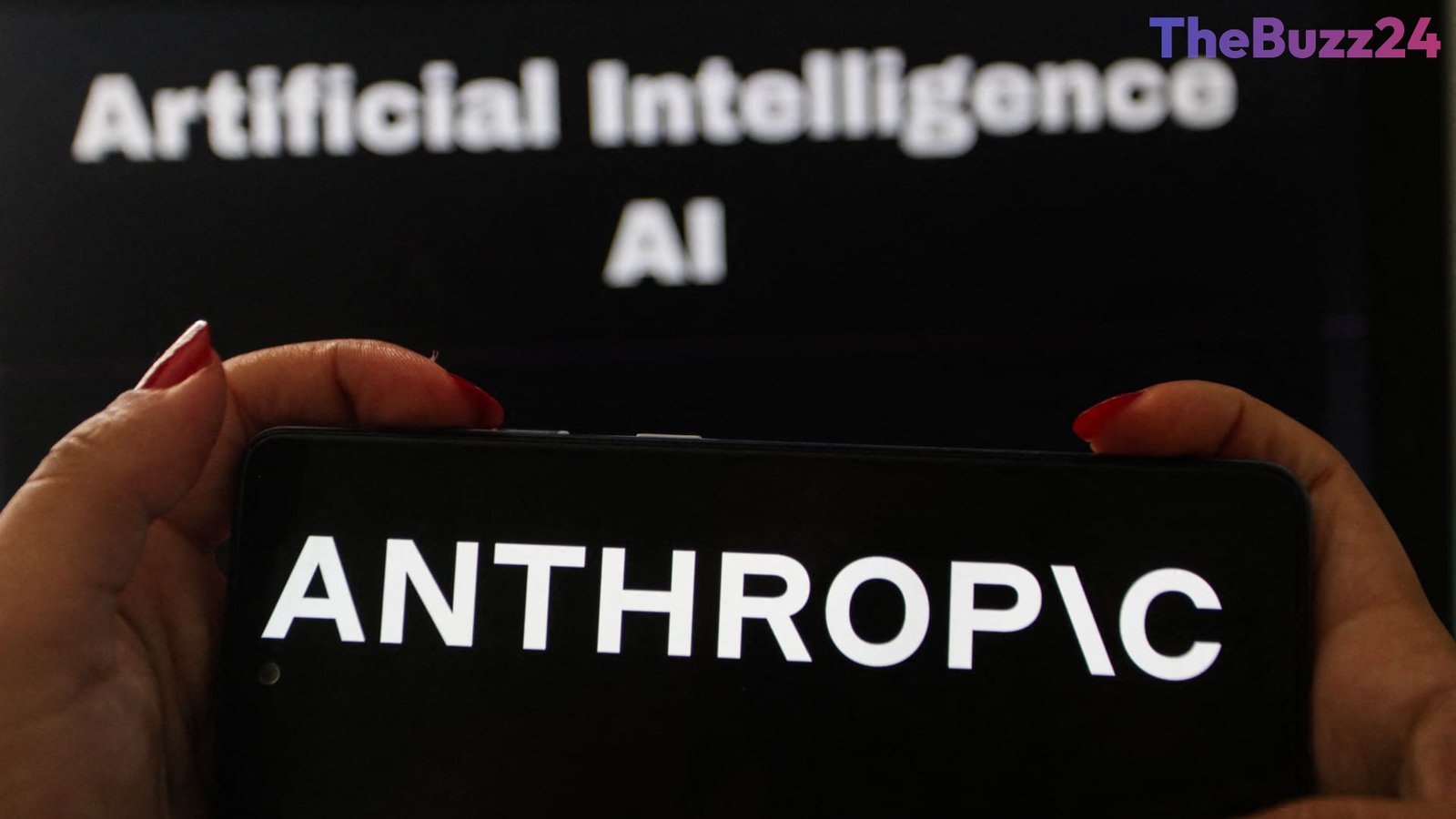
Anthropic is intensifying its efforts to combat a growing wave of intellectual property theft, alleging that foreign entities are using illicit methods to harvest data from its Claude AI models. The company’s threat intelligence team has identified a sophisticated ecosystem where bad actors utilize the dark web and fraudulent account creation to bypass security controls. This process, known as unauthorized distillation, allows competitors to train their own AI systems using the output of frontier models, effectively cloning high-level capabilities at a fraction of the development cost.
Jacob Klein, head of threat intelligence at Anthropic, highlighted that while the company welcomes legitimate market competition, the current situation involves systematic exploitation. According to Anthropic, several Chinese AI labs—including Moonshot AI, DeepSeek, MiniMax, and Alibaba—have been implicated in these activities. These entities allegedly deploy tens of thousands of fraudulent accounts to scrape responses from Claude, which are then used to build cheaper, less regulated versions of the technology. This practice poses significant risks, as these cloned models often lack the safety guardrails and ethical constraints embedded in the original systems.
Beyond the economic impact, the issue has evolved into a pressing national security concern. Cybersecurity experts note that the threat extends to other nations under sanctions, such as Iran, Russia, and North Korea. By gaining access to advanced AI capabilities through fraudulent means, malicious actors could potentially leverage these tools for surveillance or the development of dangerous technologies. As AI labs face the challenge of balancing accessibility with security, the industry is struggling to contain a ‘whack-a-mole’ scenario where attackers constantly evolve their methods to evade detection.
Regulatory scrutiny is also mounting, with government officials signaling that the unauthorized distillation of American research is unacceptable. As Anthropic prepares for a potential public offering, the pressure to protect its proprietary technology has never been higher. The company continues to work on slowing down these illicit campaigns, though experts warn that as long as AI platforms remain under pressure to serve massive volumes of requests, identifying and blocking these sophisticated, low-profile intrusions remains a formidable technical hurdle.
Key Takeaways
- Anthropic alleges that foreign labs are using illicit methods, including dark web resources and mass-scale fraudulent accounts, to steal its AI model capabilities.
- The practice of unauthorized 'distillation' allows competitors to create cheaper, less regulated AI models by training them on the outputs of advanced systems like Claude.
- Beyond intellectual property theft, the issue is being treated as a national security concern due to the potential for malicious actors to bypass safety guardrails.
Editor’s Analysis & Impact
The battle over model distillation represents a critical inflection point in the AI industry. As frontier models become the backbone of the global digital economy, the ability to ‘clone’ these capabilities threatens to undermine the massive R&D investments made by companies like Anthropic, OpenAI, and Google. From a market perspective, this creates a bifurcated landscape: one where legitimate, safety-compliant models compete, and a ‘shadow’ market of distilled models that operate without ethical constraints or high development costs. The future outlook suggests that AI labs will be forced to implement more stringent identity verification and rate-limiting protocols, which may temporarily degrade user experience. Furthermore, this issue is likely to accelerate government intervention, potentially leading to new export controls and international legal frameworks specifically designed to govern the training and distribution of generative AI models.
Frequently Asked Questions
Q: What is AI model distillation?
A: Distillation is a process where a smaller, more efficient model is trained to mimic the behavior and output of a larger, more complex 'frontier' model. While it can be done legally, it becomes theft when the data is harvested through fraudulent access or violation of terms of service.
Q: Why is unauthorized distillation considered a security risk?
A: When models are distilled illegally, they often lose the safety guardrails and ethical filters built into the original, secure models. This allows bad actors to use the technology for harmful purposes, such as surveillance or the development of dangerous materials, without the oversight of the original developer.
AI Disclosure: This article is based on verified data and official reports. Our Team and AI have cross-referenced every financial detail with primary sources to ensure total accuracy.
More from this Category