Historic Upgrade: White House Welcomes Its First Dedicated Helipad Under Trump Administration
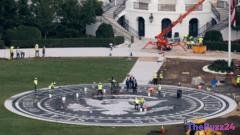
The White House grounds have undergone a significant structural update with the completion of its first-ever dedicated helicopter landing pad. This new addition marks a notable shift in how presidential transport is managed directly on the executive mansion’s lawns, providing a permanent facility for Marine One. Previously, helicopter landings on the South Lawn required temporary setups to protect the historic turf, making this permanent installation a major logistical milestone.
The completion of the helipad project coincides with other major developments on the White House grounds. Recently, the Supreme Court cleared the way for the administration to proceed with a massive $400 million (£297 million) ballroom construction project. This larger renovation initiative had previously faced legal and bureaucratic hurdles, but the high court’s ruling has allowed the extensive upgrades to move forward.
These physical transformations of the executive residence highlight a broader effort to modernize the historic site’s infrastructure. While some critics have questioned the scale and cost of these renovations, proponents argue that the upgrades are necessary to bring the centuries-old property into the modern era, ensuring both enhanced security and improved operational efficiency for the presidency.
Key Takeaways
- The White House has completed construction on its first-ever dedicated, permanent helipad.
- The project follows a Supreme Court decision allowing a massive $400 million ballroom renovation to proceed.
- The upgrades aim to modernize the historic executive mansion's infrastructure and improve presidential transport logistics.
Editor’s Analysis & Impact
The physical modifications to the White House grounds, particularly the addition of a permanent helipad and a multi-million dollar ballroom, represent more than just cosmetic updates; they reflect a push toward modernizing executive infrastructure. From a logistical standpoint, a dedicated helipad reduces the wear and tear on the historic South Lawn and streamlines presidential security protocols during departures and arrivals. However, large-scale capital projects of this nature often draw public and political scrutiny regarding the allocation of taxpayer funds and the preservation of historic landmarks. Moving forward, these upgrades will likely set a precedent for how future administrations balance the preservation of heritage sites with the evolving security and operational demands of the modern presidency.
Frequently Asked Questions
Q: Why was a permanent helipad built at the White House?
A: The permanent helipad was constructed to provide a dedicated landing zone for Marine One, improving operational efficiency and reducing the need for temporary setups that could damage the historic South Lawn.
Q: What other major renovation project was recently approved for the White House?
A: The Supreme Court recently allowed the administration to proceed with a $400 million ballroom construction and renovation project.
Q: Have these renovations faced any opposition?
A: Yes, large-scale renovations at the White House often face legal, bureaucratic, and public scrutiny regarding their high costs, necessity, and impact on the historic integrity of the executive mansion.
AI Disclosure: This article is based on verified data and official reports. Our Team and AI have cross-referenced every financial detail with primary sources to ensure total accuracy.
More from this Category