Landmark Phase 3 Trial Shows Moderna and Merck mRNA Cancer Vaccine Slashes Melanoma Recurrence by 42%
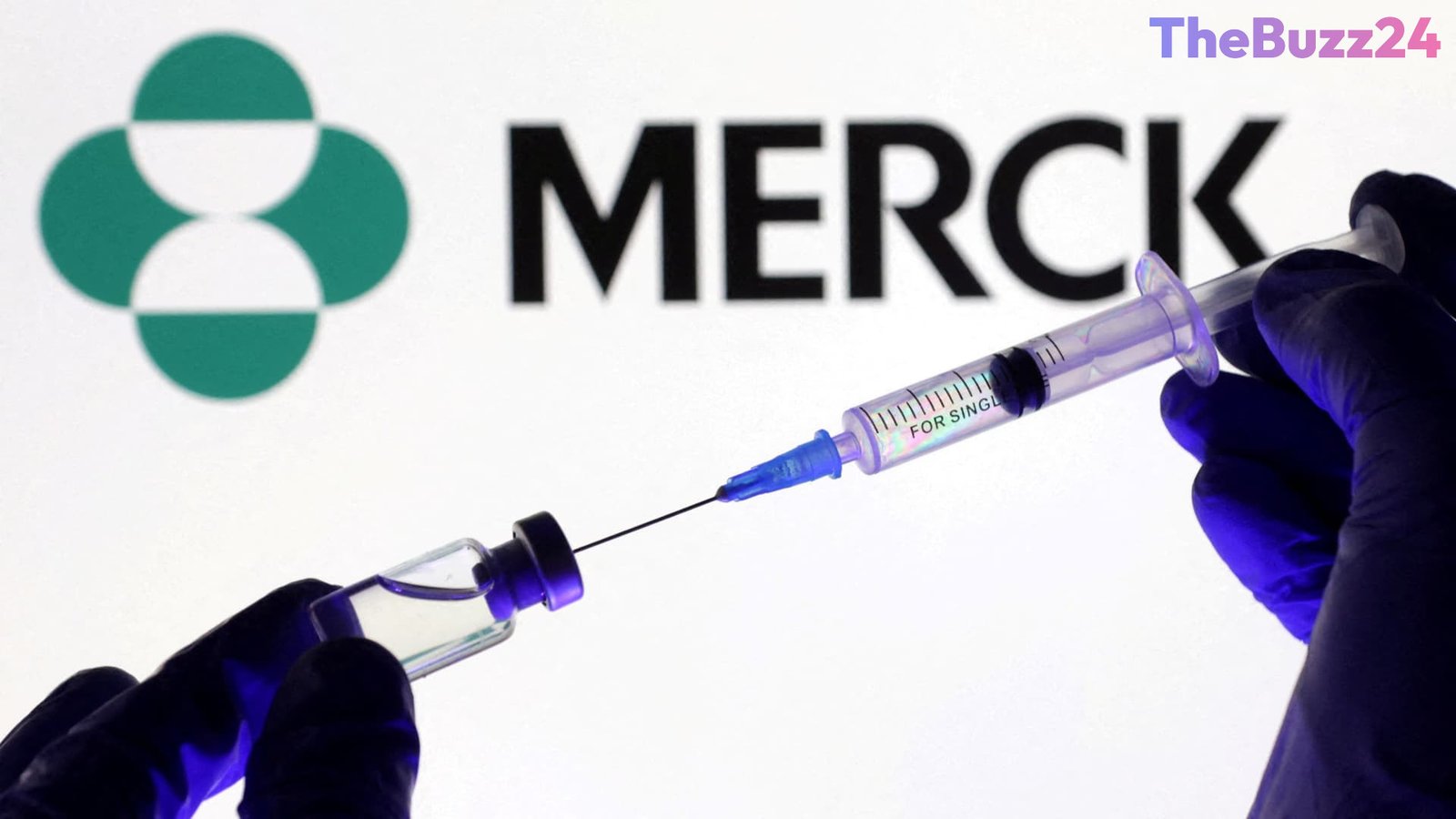
A major clinical milestone in oncology was reached this week as comprehensive Phase 3 trial results revealed that an investigational personalized mRNA vaccine developed by Moderna and Merck significantly improves outcomes for advanced melanoma patients. Administered alongside the standard immunotherapy Keytruda, the custom vaccine—known as intismeran autogene—reduced the risk of disease recurrence or death by 42% compared to Keytruda alone. Furthermore, the combination therapy decreased the likelihood of distant metastasis or death by 38% across a trial cohort of approximately 1,100 patients whose primary tumors had been surgically excised.
While the data sparked a sharp intraday drop of up to 25% in Moderna’s share price due to elevated Wall Street expectations based on smaller, earlier studies, leading melanoma oncologists consider the findings a transformative leap forward. Specialists emphasize that the trial marks the first time an adjunct therapy has successfully boosted the clinical efficacy of an established checkpoint inhibitor. Notably, the treatment effect expanded substantially over time; an analysis beyond the six-month mark revealed a 58% reduction in the risk of recurrence or mortality, likely reflecting the weeks required for custom manufacturing and immune system priming.
Unlike conventional prophylactic vaccines, intismeran autogene is tailored to the individual genetic profile of a patient’s tumor. After surgical resection, physicians sequence tumor tissue to identify specific neoantigens, creating an individualized mRNA blueprint that trains cytotoxic T-cells to identify and destroy remaining microscopic cancer cells. Preventing the recurrence of melanoma is critical, as metastatic relapse in vital organs such as the lungs, liver, or brain drastically complicates treatment and lowers survival rates.
Despite the clinical triumph, commercial and logistical hurdles remain. Each vaccine dose requires approximately six weeks of specialized manufacturing, presenting substantial scaling challenges compared to off-the-shelf pharmaceuticals. With Moderna planning regulatory submissions in the coming year and trials expanding to bladder, renal, and non-small cell lung cancers, the combination could establish a new paradigm in post-surgical cancer care if authorized by global health agencies.
Key Takeaways
- Moderna and Merck's individualized mRNA cancer vaccine paired with Keytruda reduced the risk of melanoma recurrence or death by 42% in a Phase 3 study.
- Oncologists regard the findings as a breakthrough validation of mRNA technology in oncology, even as Wall Street reacted negatively to high initial expectations.
- Each personalized vaccine requires custom genetic sequencing and roughly six weeks of manufacturing, presenting unique scaling and logistical challenges ahead of planned regulatory filings next year.
Editor’s Analysis & Impact
The Phase 3 data for intismeran autogene represents a pivotal turning point for both the biotechnology sector and the future of oncology. While investors were initially disappointed that the 42% risk reduction did not exceed earlier Phase 2 figures, Wall Street is fundamentally misjudging the clinical reality. Phase 3 trials involve broader, more heterogeneous patient populations, making these robust efficacy results an unquestionable clinical victory. For Moderna, this marks the first definitive proof that its mRNA platform can expand successfully beyond infectious disease vaccines into high-value oncology therapeutics. For Merck, it provides a vital strategy to extend the therapeutic life cycle of Keytruda as its patent cliff approaches later this decade. The primary obstacle moving forward will not be clinical efficacy, but the supply chain economics: transforming bespoke, six-week manufacturing workflows into scalable, globally accessible treatments.
Frequently Asked Questions
Q: How does Moderna and Merck's cancer vaccine differ from traditional vaccines?
A: Unlike traditional vaccines that prevent viral infections before they occur, this therapeutic vaccine is personalized using the genetic mutations found in a patient's specific excised tumor to train the immune system to target and eradicate any remaining cancer cells post-surgery.
Q: Why did Moderna's stock drop despite the positive clinical results?
A: Wall Street had priced in exceptionally high expectations following earlier Phase 2 data that indicated a 49% risk reduction. When the larger, more diverse Phase 3 trial reported a 42% reduction, short-term investors sold shares, despite oncologists hailing the results as a genuine medical breakthrough.
Q: When could the personalized melanoma vaccine become available to patients?
A: Moderna and Merck are finalizing regulatory submissions, targeting potential regulatory approval as early as next year, after which commercial distribution and specialized manufacturing pipelines will begin rollout.
AI Disclosure: This article is based on verified data and official reports. Our Team and AI have cross-referenced every financial detail with primary sources to ensure total accuracy.
More from this Category