AI Uncovers Critical PHP Vulnerabilities, Sparking Global Cybersecurity ‘Black October’
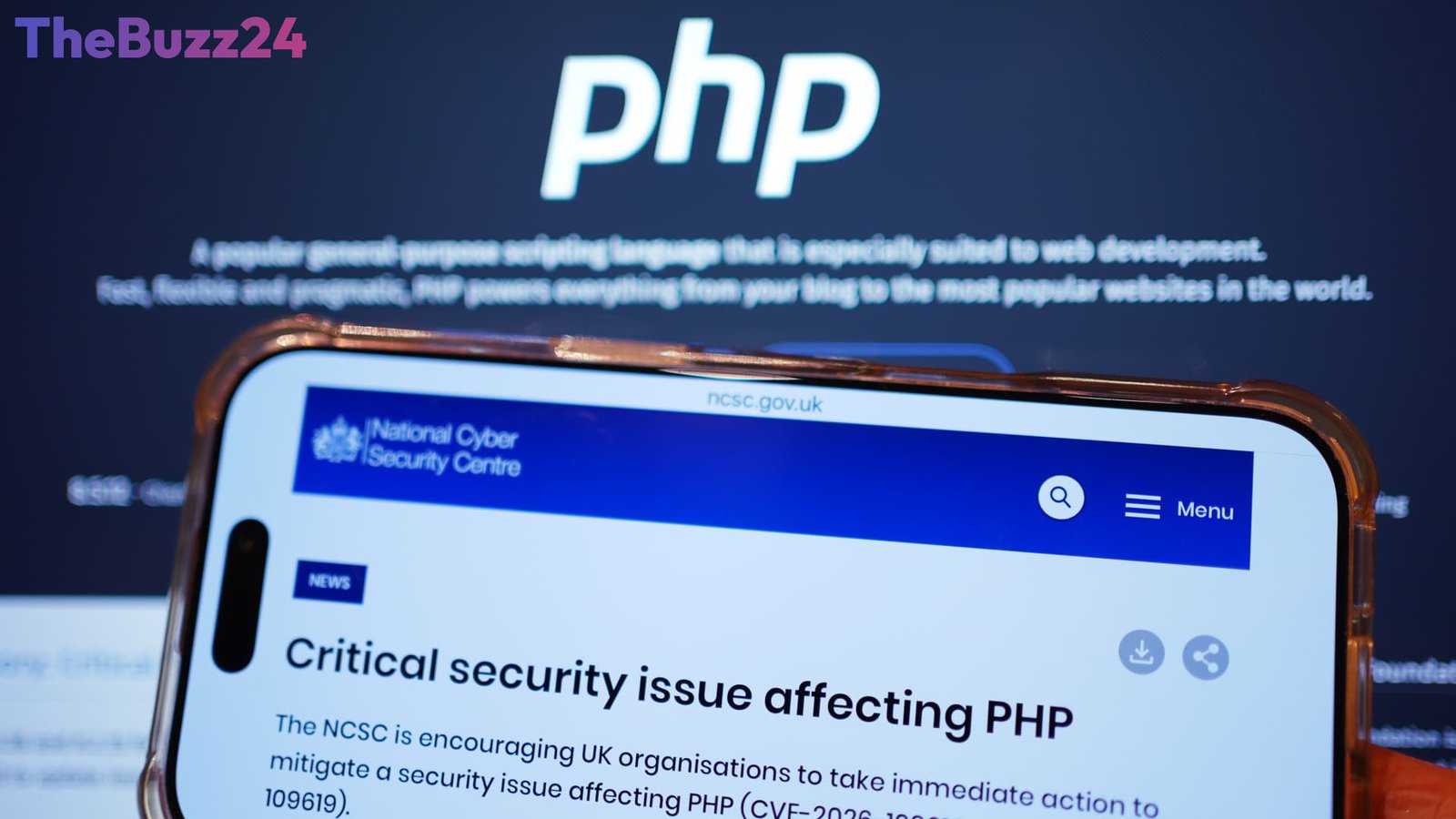
A wave of critical security flaws discovered in the widely-used PHP programming language has triggered a global cybersecurity alert, with experts likening the current situation to a “Black October.” The vulnerabilities, identified using advanced artificial intelligence models, are forcing cybersecurity teams worldwide into a frantic race to implement patches and secure systems.
These newly found flaws represent a significant escalation in the cybersecurity landscape, demonstrating AI’s growing capability to uncover complex vulnerabilities. Researchers from Google’s Wiz and AI firm Calif initially detected these major weaknesses in PHP during August. However, the full scope of the threat became apparent this week as warnings circulated, prompting urgent responses from governments and businesses across various sectors, including finance, education, and technology.
John Milinovich, senior director of product management at Figma, described the severity of the situation, noting that “in the last 2 days there have been several dozen cyber attacks which, in isolation, would each have been the worst to happen in an entire calendar year.” He further emphasized that the impact is widespread, affecting nearly every industry and causing significant concern among organizations.
Former Director of the U.S. Cybersecurity and Infrastructure Security Agency (CISA), Chris Krebs, highlighted the particular challenge for small and medium-sized businesses, which may lack the resources to quickly address such sophisticated threats. He advised these organizations to continuously scan for vulnerabilities, deploy patches promptly, or consider taking older systems offline. Krebs also pointed out that a substantial percentage of critical vulnerabilities discovered recently have emerged in the past month, underscoring the accelerated pace of threat discovery.
Key Takeaways
- Advanced AI models have discovered critical security vulnerabilities in the PHP programming language, leading to a global cybersecurity scramble.
- The situation has been dubbed 'Black October' due to the rapid succession and severity of discovered flaws, impacting diverse sectors from government to big tech.
- Experts advise organizations, especially smaller ones, to prioritize vulnerability scanning, rapid patching, and potentially decommissioning legacy systems, while individuals are urged to enhance personal digital security measures.
Editor’s Analysis & Impact
The discovery of critical PHP vulnerabilities through AI marks a pivotal moment in cybersecurity, illustrating the dual-edged nature of advanced technology. While AI can be a powerful tool for defense, it also accelerates the discovery of exploits, creating an arms race between attackers and defenders. This ‘Black October’ event underscores the urgent need for organizations to bolster their basic security hygiene, as recommended by former CISA Director Chris Krebs. The implications extend beyond mere patching; it signals a future where AI-driven threats and defenses will become increasingly sophisticated, demanding continuous adaptation and investment in cybersecurity infrastructure, particularly for smaller entities that are often more vulnerable.
Frequently Asked Questions
Q: What is PHP and why are its vulnerabilities significant?
A: PHP is a server-side scripting language widely used for web development, powering a significant portion of websites globally. Vulnerabilities in PHP are critical because they can affect a vast number of online platforms, potentially leading to widespread data breaches, website defacement, or other malicious activities.
Q: How did AI contribute to discovering these PHP flaws?
A: Advanced AI models, developed by companies like OpenAI and Google, were utilized by researchers to analyze code and identify complex patterns indicative of security weaknesses. This AI-driven approach allowed for the discovery of vulnerabilities that might have been missed or taken much longer to find through traditional methods.
Q: What steps should individuals take to protect themselves?
A: Individuals are advised to enable two-factor authentication on all accounts, use a reputable password manager, set up identity protection services, and isolate smart devices on a separate network. Understanding the power of AI tools can also help in recognizing potential threats.
AI Disclosure: This article is based on verified data and official reports. Our Team and AI have cross-referenced every financial detail with primary sources to ensure total accuracy.
More from this Category