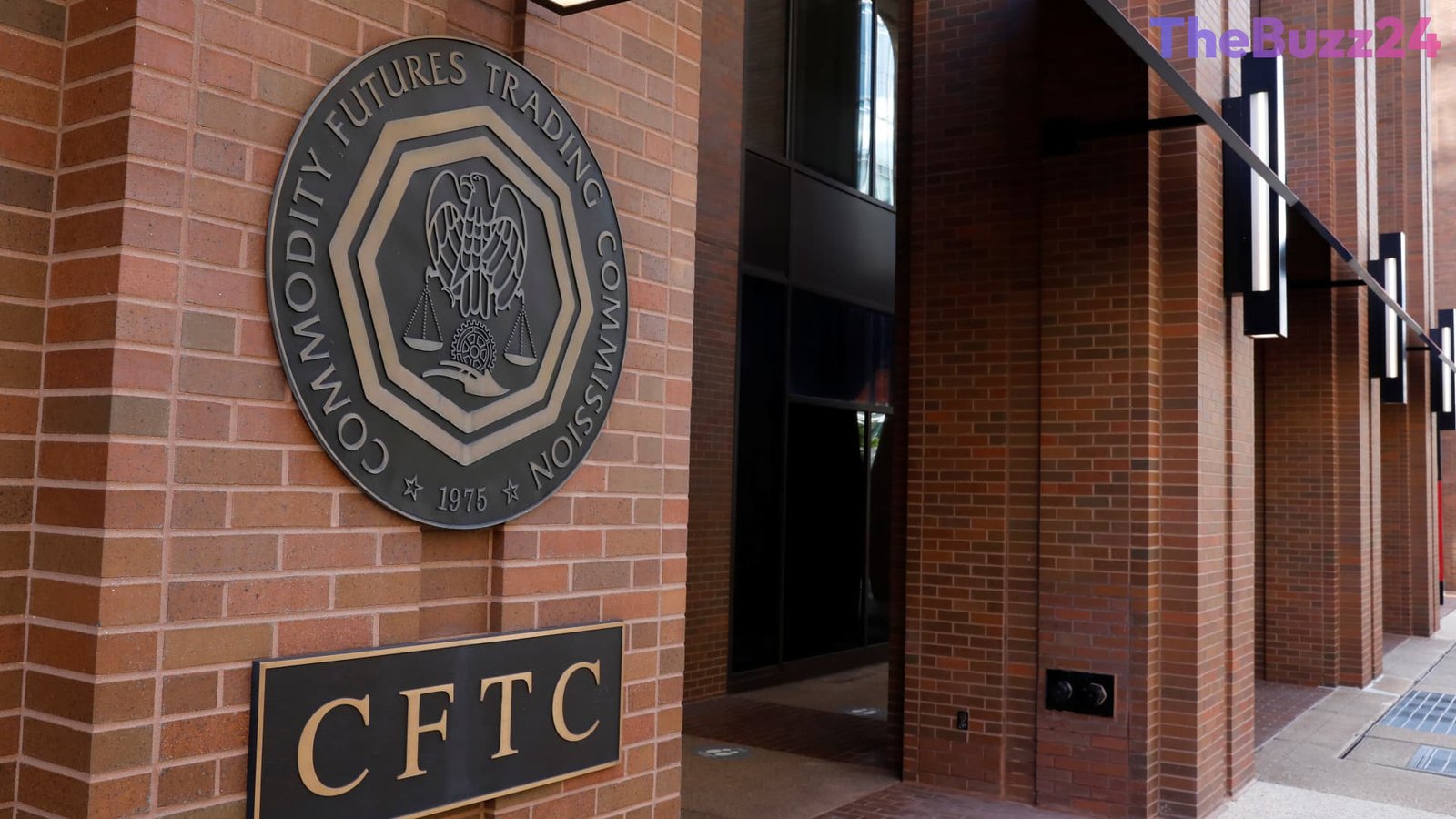
White House Vets CFTC Candidates Amid Stalled Crypto Legislation
The administration has quietly evaluated potential candidates to fill four bipartisan commissioner vacancies at the Commodity Futures Trading Commission. Currently, the regulatory agency is operating with only one sitting member, Chairman Michael Selig, despite its traditional structure requiring a five-commissioner panel representing both major political parties. While the vetting process has progressed, uncertainty remains regarding when or if official nominations will be put forward to the Senate.
The staffing shortage at the agency has developed into a central point of contention within broader legislative negotiations, specifically impacting discussions surrounding the Clarity Act. This proposed cryptocurrency market structure bill requires significant bipartisan support to clear procedural hurdles in the Senate. Democratic lawmakers have raised objections to advancing financial and digital asset legislation while key regulatory seats remain vacant, arguing that a fully constituted commission is essential for fair oversight.
Political friction has further complicated the nomination timeline. Lawmakers from both parties have publicly urged action, noting that communication between Capitol Hill and the executive branch regarding recommended candidates has experienced delays. Although legislative leaders have submitted lists of qualified individuals for consideration, formal movement has lagged. Observers suggest that resolving these vacancies could serve as a vital compromise to secure necessary votes for upcoming financial policy reforms.
Even if the Clarity Act manages to advance through the Senate, legislative hurdles and a compressed autumn congressional schedule threaten to delay final enactment. With lawmakers preparing to campaign ahead of upcoming elections, limited working days remain on the legislative calendar. Should the current legislative push falter, industry analysts anticipate that the regulatory agency may pursue independent rulemaking to address emerging asset classes under its existing authority.
Key Takeaways
- The White House has vetted candidates for four open commissioner seats at the CFTC, which currently operates with only Chairman Michael Selig.
- The vacancies have become a major sticking point in negotiations over the cryptocurrency market structure proposal known as the Clarity Act.
- Bipartisan lawmakers continue to pressure the administration to fill the board, warning that incomplete regulatory panels complicate digital asset oversight.
Editor’s Analysis & Impact
The prolonged vacancies at the Commodity Futures Trading Commission highlight the complex intersection of regulatory staffing and digital asset legislation. As the agency charged with overseeing derivatives and novel markets like cryptocurrency, operating with a single commissioner creates a severe bottleneck in regulatory governance. The impasse over the Clarity Act demonstrates how broader political friction and legislative scheduling constraints can directly impact financial market structures. If the legislative process stalls, the agency’s reliance on independent rulemaking could introduce a wave of unilateral regulatory enforcement that market participants must navigate carefully. Long-term industry stability hinges on establishing a fully functioning, bipartisan commission capable of providing clear, consistent oversight for both traditional derivatives and emerging financial technologies.
Frequently Asked Questions
Q: How many commissioners are traditionally on the CFTC?
A: The Commodity Futures Trading Commission traditionally consists of five commissioners representing both major political parties.
Q: Why are the CFTC vacancies affecting the Clarity Act?
A: Democratic lawmakers have withheld support for the cryptocurrency market structure bill, arguing that the legislation should not delegate digital asset authority while key regulatory seats remain empty.
Q: What happens if Congress fails to pass the Clarity Act?
A: If the legislation does not pass, leadership at the CFTC has indicated the agency will pursue its own independent rulemaking to regulate digital assets.
AI Disclosure: This article is based on verified data and official reports. Our Team and AI have cross-referenced every financial detail with primary sources to ensure total accuracy.
More from this Category