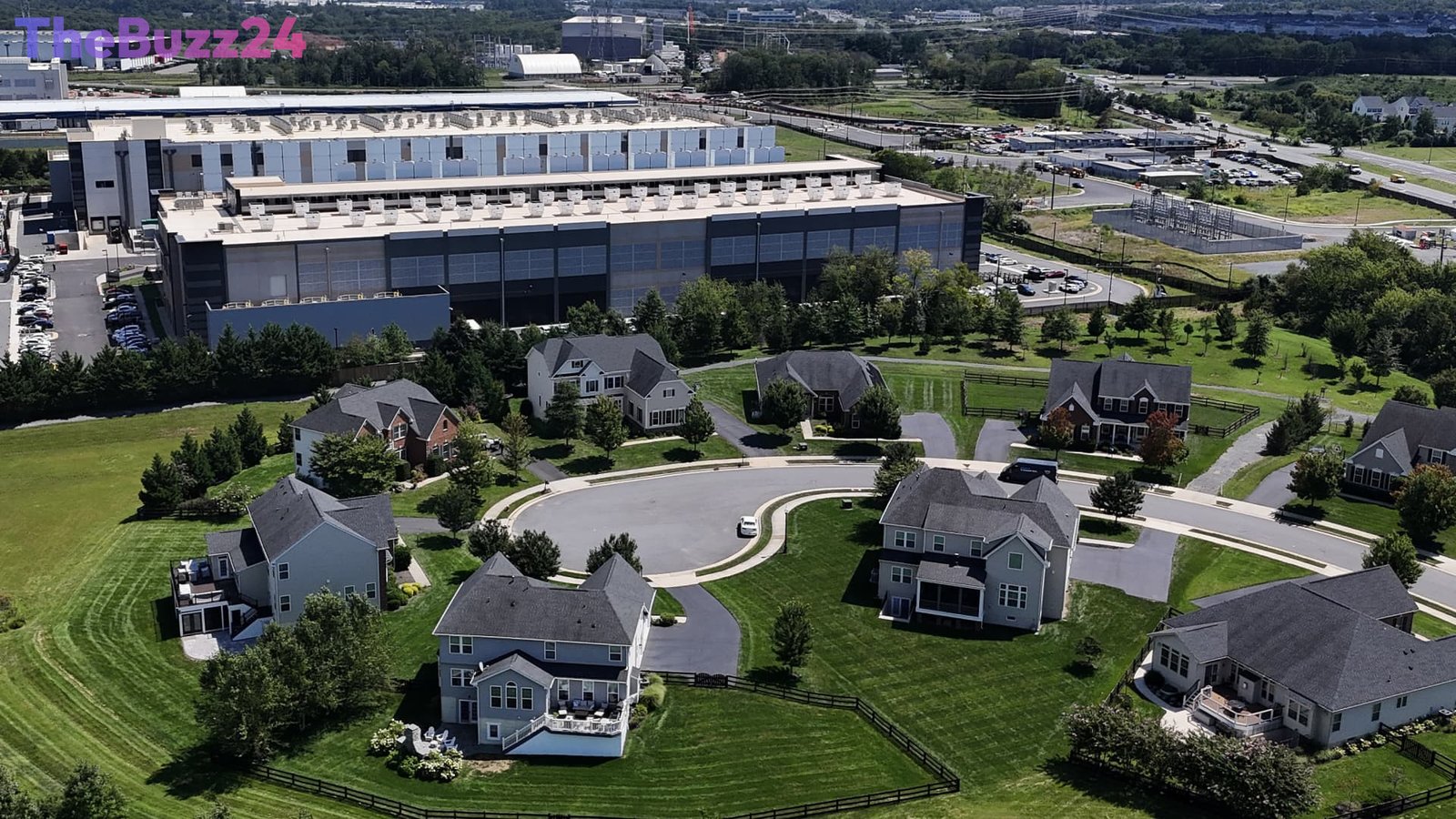
AI Boom Sparks Land Rush, Pitting Farmers Against Tech Giants
The insatiable demand for artificial intelligence is triggering a massive surge in data center construction across the United States, leading to a dramatic escalation in rural land values and sparking significant community resistance. Wall Street is pouring billions into building the computing infrastructure necessary for AI, a trend that is rapidly transforming agricultural landscapes into hubs for advanced technology.
This commercial land rush is driving up property prices, often by tenfold, presenting farmers with lucrative offers that are difficult to refuse. While some landowners are capitalizing on the boom, others are finding themselves in direct conflict with developers and their investors. The sheer scale of these projects, which require vast tracts of land, immense electricity, and substantial water resources, is straining local infrastructure and raising concerns about the long-term sustainability of these rural communities.
As companies like CoreWeave and Meta establish massive data centers and related facilities, entire secondary economies are emerging, creating boomtowns but also intensifying competition for essential resources. This dynamic is increasingly pitting major corporations and their financial backers against local residents who are grappling with the profound changes to their environment and way of life. The competition for land is so fierce that in some areas, like Northern Virginia, commercial land prices have skyrocketed to over $8 million per acre, far exceeding what home builders can afford, effectively pricing residential development out of the market.
The backlash is becoming more organized, with residents mobilizing to halt or slow down data center development. Concerns range from the depletion of water resources and potential increases in electricity costs for all consumers to the loss of open, agricultural land. In some instances, the opposition has become so intense that it has led to threats against local officials, prompting moratoriums on new data center construction in states like New York and increasing scrutiny from financial institutions monitoring potential investment risks.
Key Takeaways
- Massive investment in AI data centers is driving up rural land prices significantly, creating economic opportunities and conflicts.
- Community resistance is growing due to concerns over resource strain (water, electricity) and loss of agricultural land.
- Financial institutions are monitoring the political and community backlash as a potential risk to data center investments.
Editor’s Analysis & Impact
The rapid expansion of AI data centers represents a significant economic shift, particularly for rural areas. While offering substantial financial incentives, this development poses considerable environmental and social challenges. The escalating land values and resource demands highlight a critical tension between technological advancement and community sustainability. The increasing political resistance and potential for state-level moratoriums suggest that the long-term viability of this growth model may depend on finding a balance between corporate interests and local needs. Investors and developers will need to navigate these complex dynamics, as community opposition could pose a material risk to future growth and profitability.
Frequently Asked Questions
Q: Why are AI data centers being built in rural areas?
A: Rural areas are often chosen for data centers due to the availability of large tracts of land, lower property costs compared to urban centers, and proximity to existing or potential power infrastructure needed to support the immense energy demands of these facilities.
Q: What are the main concerns of communities regarding data center development?
A: Key concerns include the significant strain on local water and electricity resources, potential increases in utility costs for residents, the loss of agricultural land and open spaces, and the environmental impact of large-scale construction and operation.
Q: How is the land market being affected by data center construction?
A: The demand for land for data centers is causing property values to skyrocket, often by several multiples of their previous worth. This makes it difficult for traditional industries like farming and residential development to compete for land in these areas.
AI Disclosure: This article is based on verified data and official reports. Our Team and AI have cross-referenced every financial detail with primary sources to ensure total accuracy.
More from this Category