Escalating Tensions: Deadly Strikes in Lebanon Threaten Fragile Ceasefire
A surge in military activity across southern Lebanon has resulted in the deaths of at least 11 people, including children and medical personnel, following Israeli airstrikes on a residential building. The incident marks a significant escalation in the ongoing regional conflict, which has seen over 4,300 fatalities and 12,000 injuries since Hezbollah joined the hostilities in March. The Israeli military justified the strike by citing the presence of a nearby Hezbollah facility, following an evacuation order issued to local residents earlier in the day.
This latest violence further undermines the U.S.-brokered ceasefire that has struggled to maintain stability since its inception in late June. Lebanese leadership has characterized the recent strikes as a dangerous provocation, urging the international community to intervene and hold responsible parties accountable. Despite diplomatic efforts, the conflict shows few signs of abating, with both sides accusing the other of violating the terms of the truce through continued drone launches and retaliatory airstrikes.
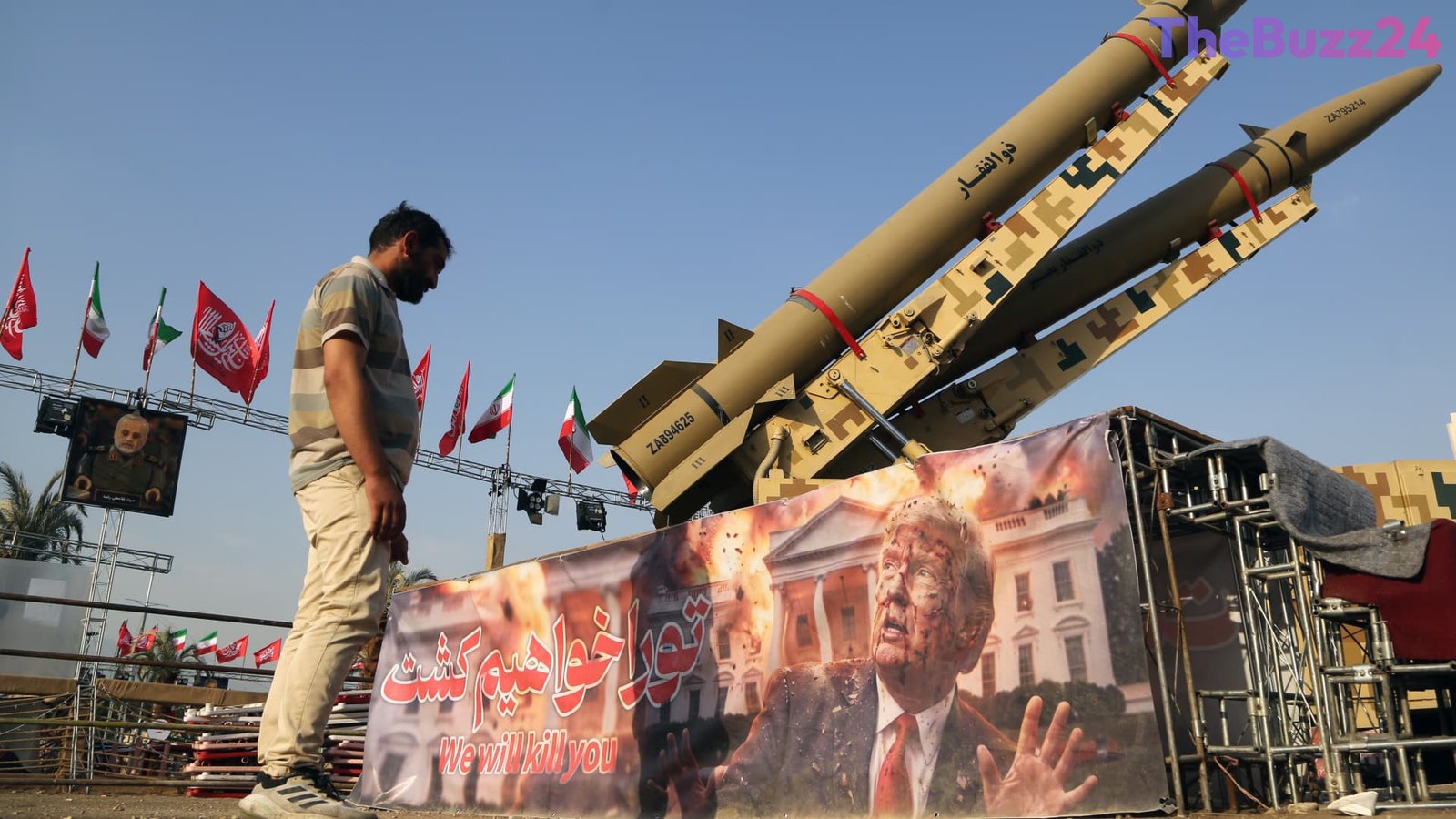
Beyond the immediate ground conflict, the broader regional standoff is intensifying. Iran has signaled plans to establish a restricted shipping zone in the Persian Gulf, potentially complicating international maritime traffic through the Strait of Hormuz. Meanwhile, U.S. officials have expressed growing skepticism regarding the viability of a negotiated nuclear agreement, suggesting a shift in strategy. Tensions have further broadened as Iran warned South Korea against any military involvement in the region, labeling potential support for U.S. operations as an act of aggression that would carry serious consequences.
Key Takeaways
- At least 11 people were killed in southern Lebanon following Israeli strikes, further destabilizing the region.
- The U.S.-brokered ceasefire from June is effectively failing as both sides engage in frequent retaliatory attacks.
- Iran is threatening to restrict shipping in the Strait of Hormuz and has warned third-party nations against military cooperation with the U.S.
Editor’s Analysis & Impact
The current situation in the Middle East represents a critical inflection point where localized tactical strikes are rapidly evolving into a broader geopolitical crisis. The collapse of the June ceasefire suggests that diplomatic channels are currently insufficient to contain the military ambitions of the involved parties. The potential for Iran to enforce a ‘restricted zone’ in the Strait of Hormuz poses a significant risk to global energy markets, as this chokepoint is vital for international oil transit. Furthermore, the shift in U.S. rhetoric—moving away from nuclear negotiations toward the potential destruction of Iranian capabilities—indicates a hardening of policy that could lead to a prolonged period of instability. Investors and global leaders should prepare for increased volatility in energy prices and the possibility of further international entanglement as the conflict expands beyond the borders of Lebanon.
Frequently Asked Questions
Q: Why did the Israeli military issue an evacuation order in southern Lebanon?
A: The military issued the order because they identified a Hezbollah facility nearby and intended to target it, warning residents that remaining in the vicinity would put them in danger.
Q: What is the significance of the Strait of Hormuz in this conflict?
A: The Strait of Hormuz is one of the world's most critical energy chokepoints. Iran's threat to establish a restricted zone there could severely disrupt global oil supplies and international shipping.
AI Disclosure: This article is based on verified data and official reports. Our Team and AI have cross-referenced every financial detail with primary sources to ensure total accuracy.
More from this Category