Oil Prices Surge Toward $98 Following Houthi Attacks on Saudi Energy Infrastructure
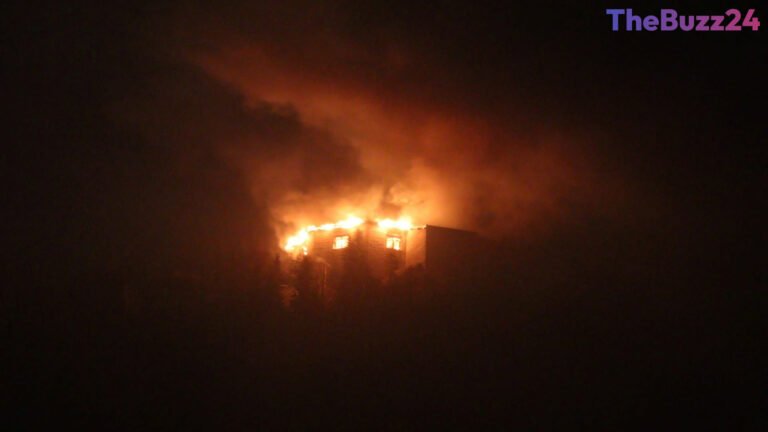
Global crude prices experienced a notable upward trajectory, with Brent hovering near $98 a barrel, following a coordinated series of drone and ballistic missile strikes launched by Iran-allied Houthi militants against critical energy facilities in Saudi Arabia. The weekend escalation forced temporary operational halts at multiple sites, triggering fires and compounding existing anxieties across international petroleum markets.
International benchmark Brent crude futures advanced roughly 1% to reach $97.85 a barrel, while U.S. West Texas Intermediate futures climbed 1.4% to $92.73 per barrel. The assaults targeted economic and civilian infrastructure across several Saudi cities, resulting in dozens of injuries and prompting immediate emergency responses from the kingdom’s energy ministry to contain the blazes and evaluate infrastructure integrity.
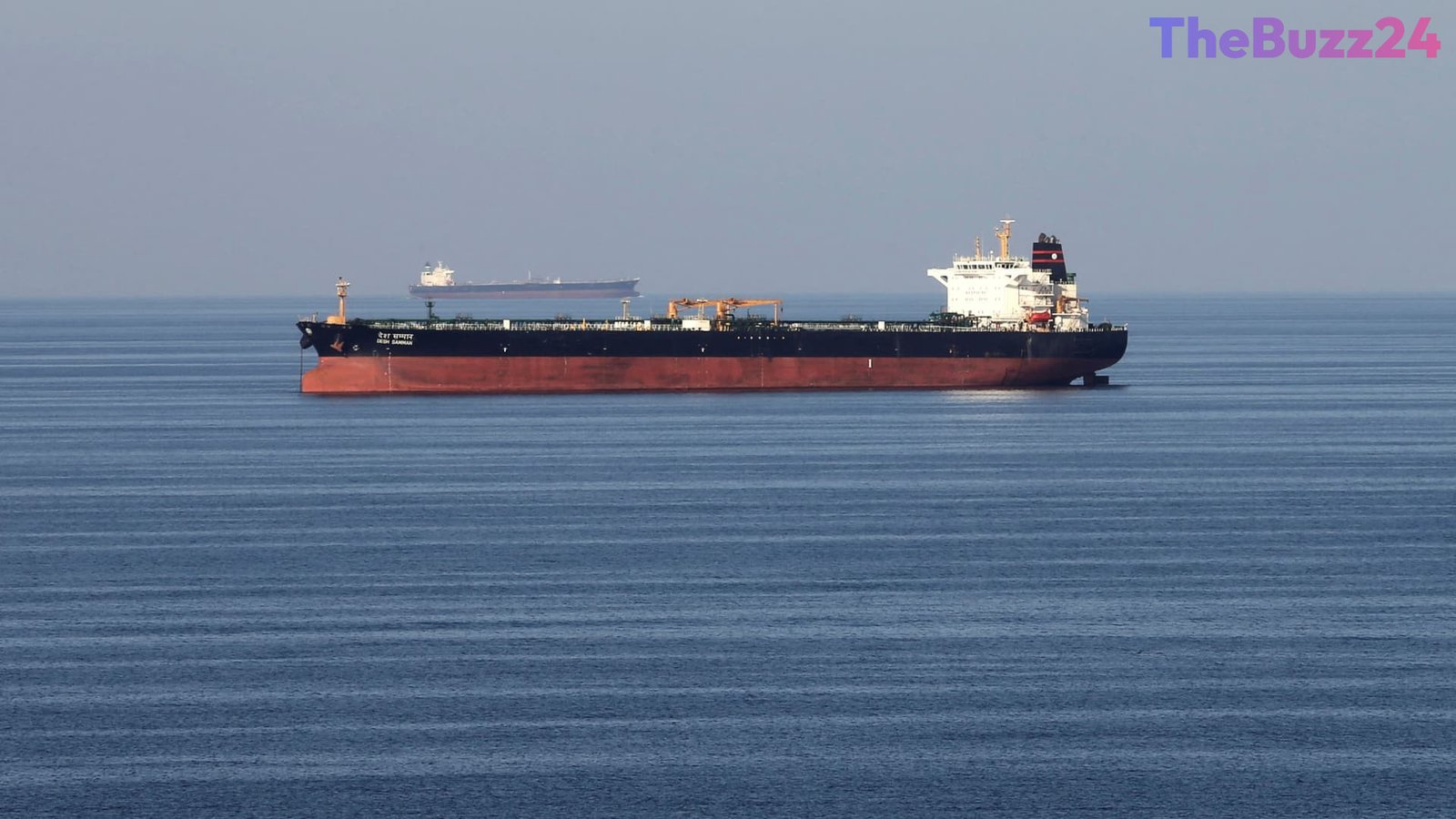
The regional instability follows a series of direct confrontations between Washington and Tehran, including U.S. military strikes on Iranian commercial oil tankers in response to earlier aggression against naval warships. Financial institutions have rapidly adjusted their market outlooks in response to the compounding geopolitical risks. Major analysts have upwardly revised their long-term crude price forecasts, anticipating that supply chain bottlenecks and Middle Eastern shipping disruptions could persist as markets price in a prolonged conflict.
Key Takeaways
- Brent crude rose near $98 a barrel following Houthi drone and missile strikes on Saudi energy facilities.
- Major financial institutions raised long-term commodity forecasts, anticipating prolonged Middle Eastern shipping disruptions.
- The energy market shock follows a weekend escalation involving retaliatory military strikes between the U.S. and Iranian forces.
Editor’s Analysis & Impact
The recent escalation in the Middle East highlights the perpetual vulnerability of global energy supply chains to geopolitical flashpoints. When non-state actors target critical infrastructure in the world’s leading oil-exporting nations, the immediate ripple effects are felt not just in crude futures, but across consumer gas prices and broader macroeconomic inflation metrics. Financial institutions upgrading their long-term commodity price expectations signal a structural shift in how markets price geopolitical risk. As long as direct tensions between Washington and Tehran remain volatile, energy markets will likely price in a permanent risk premium, forcing industrial economies to accelerate diversification strategies and alternative energy investments to hedge against sudden supply shocks.
Frequently Asked Questions
Q: Why did oil prices spike recently?
A: Oil prices surged because Iran-allied Houthi militants launched drone and missile attacks on critical energy facilities in Saudi Arabia, forcing temporary shutdowns and stoking fears of widespread supply disruptions.
Q: How have financial institutions responded to the Middle East tensions?
A: Major financial institutions have raised their long-term price forecasts for Brent and West Texas Intermediate crude, anticipating that regional shipping disruptions and geopolitical conflicts will persist.
AI Disclosure: This article is based on verified data and official reports. Our Team and AI have cross-referenced every financial detail with primary sources to ensure total accuracy.
More from this Category