Shifting Tides: How Surging Rents Are Fueling Migration to Affordable Housing Markets
As rental costs climb across the United States, an increasing number of tenants are opting to relocate to more affordable metropolitan areas. Recent housing data highlights a significant shift in renter behavior, driven by a persistent lack of cooling in the for-sale housing market that keeps prospective buyers sidelined. With rent prices beginning to heat up once again after a period of stabilization, urban dwellers are actively searching for better value in alternative regions.
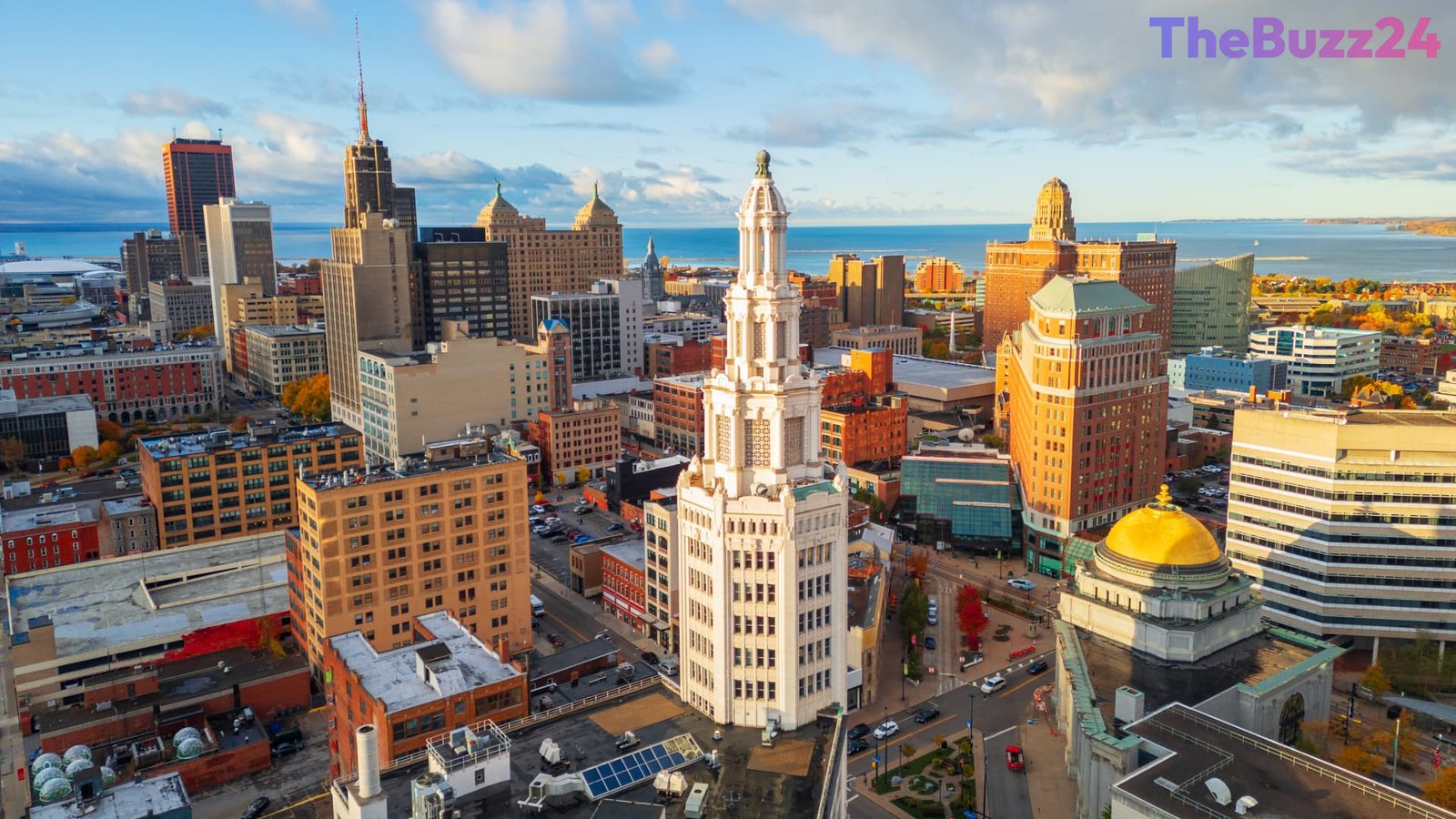
Cities such as Buffalo, New York; Chicago, Illinois; and Houston, Texas, are experiencing a massive surge in out-of-town rental searches, closely followed by markets like New Orleans and Dallas. In several previously popular migration hubs—including Salt Lake City, Utah; Raleigh, North Carolina; Hartford, Connecticut; and Nashville, Tennessee—external interest has grown so robust that out-of-town searches now surpass local inquiries entirely. Analysts point out that rental demand frequently serves as a leading indicator for future home sales, suggesting these emerging hotspots are poised for a substantial influx of new residents.
The primary driver behind this interstate movement remains affordability. While the national median price for an existing home remains elevated, major metropolitan areas experiencing high search volumes often feature significantly lower real estate and rental costs. Furthermore, data indicates that renters in ultra-expensive coastal hubs, particularly New York City, continue to look toward the Sunbelt, maintaining high search volumes in Florida markets like Miami, Orlando, and Tampa, as well as parts of North Carolina.
Beyond simple cost-saving measures, lifestyle factors and regional job opportunities continue to heavily influence these relocation patterns. Southern cities dominate rankings for top places for renters, propelled by favorable cost-of-living metrics, robust employment growth, and steady increases in renter income. As these trends unfold, real estate experts anticipate that the ongoing migration wave will reshape local housing markets for years to come.
Key Takeaways
- Rising rental prices and high home purchase costs are driving tenants to relocate to more affordable metropolitan areas.
- Buffalo, Chicago, and Houston are seeing the largest increases in out-of-town rental searches, indicating future real estate growth in those regions.
- Affordability remains the primary motivator, with renters from high-cost coastal cities like New York frequently targeting the Sunbelt and Southern markets.
Editor’s Analysis & Impact
The intersection of rising rents and elevated home purchase prices is actively re-mapping the American demographic landscape. The migration patterns highlighted by recent housing data are not merely temporary shifts, but rather structural adaptations to long-term affordability crises in coastal and major metropolitan centers. For the real estate and property tech sectors, an uptick in out-of-town rental searches serves as a reliable early indicator for future home sales and regional economic expansion. Secondary and tertiary markets experiencing this influx must prepare for increased pressure on local infrastructure, commercial development, and residential inventory. Looking ahead, investors and developers who successfully anticipate these secondary migration corridors will likely capture significant upside, particularly as remote work flexibility and regional job growth continue to decentralize population centers away from traditional economic powerhouses.
Frequently Asked Questions
Q: Why are renters increasingly moving to smaller or cheaper markets?
A: Renters are moving primarily due to affordability. High costs in major coastal cities and a lack of cooling in the for-sale housing market are forcing tenants to look for areas where they can get more value for their money.
Q: Which cities are seeing the biggest surge in out-of-town rental searches?
A: Buffalo, New York; Chicago, Illinois; and Houston, Texas, are currently seeing the largest growth in out-of-town searches, followed by New Orleans and Dallas.
Q: What does a surge in out-of-town rental demand usually indicate?
A: Rental demand is typically a leading indicator for future home sales, signaling that a wave of new permanent residents and prospective home buyers may soon follow.
AI Disclosure: This article is based on verified data and official reports. Our Team and AI have cross-referenced every financial detail with primary sources to ensure total accuracy.
More from this Category