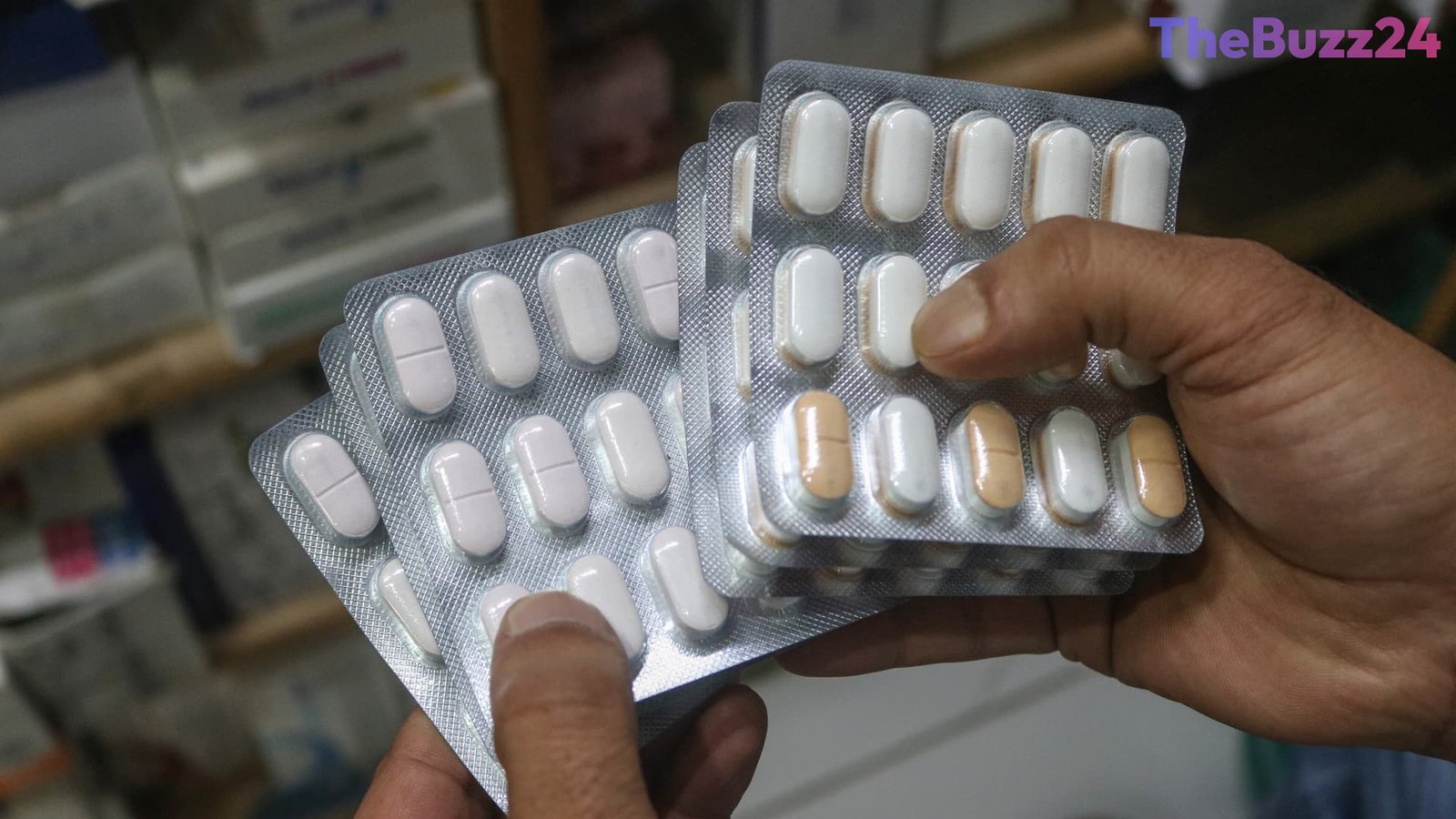
Swiss Pharma Giant Sandoz Warns Trump’s Generic Drug Tariffs Will Backfire on U.S. Patients
The leadership at Swiss pharmaceutical giant Sandoz has issued a stark warning regarding the potential economic fallout of proposed trade policies targeting imported medications. According to executive leadership, American consumers would ultimately shoulder the financial burden of steep tariffs on generic drugs, which could trigger severe supply chain disruptions and price hikes across the healthcare sector.
Under proposed policy measures under consideration in Washington, imported generic pharmaceutical products could face prohibitive tariffs reaching up to 100% by 2028, potentially doubling the following year. The proposed trade barriers are designed to incentivize pharmaceutical corporations to relocate manufacturing operations directly onto American soil. However, industry leaders caution that manufacturers operating on tight profit margins cannot absorb such heavy financial penalties without passing the costs downstream to everyday patients.
While generics constitute approximately 90% of all prescriptions dispensed in the United States, they account for a minor fraction of overall national drug expenditures due to their affordability. Sandoz executives emphasize that because the foundational chemical ingredients and finished products are largely manufactured overseas, imposing massive import duties would leave drugmakers with a difficult choice: drastically increase retail prices or completely halt distribution of vital treatments that become unprofitable to supply.
Amid these regulatory challenges, Sandoz is aggressively charting its independent path following its corporate spin-off from Novartis. The company has unveiled ambitious long-term financial goals, including plans to more than double its net sales by 2035 and significantly expand its portfolio of biosimilars. By capitalizing on an upcoming wave of blockbuster drug patent expirations, particularly in complex fields like oncology and immunology, the company aims to solidify its market dominance while navigating an increasingly complex global trade landscape.
Key Takeaways
- Sandoz CEO Richard Saynor warns that U.S. patients will ultimately bear the costs of proposed tariffs on imported generic medicines.
- Proposed tariffs could reach up to 100% by 2028 and double by 2029, pressuring drugmakers to either raise prices or stop supplying certain drugs.
- Sandoz announced ambitious plans to expand its biosimilars portfolio to over 100 products by 2040 to capitalize on upcoming patent expirations.
Editor’s Analysis & Impact
The intersection of protectionist trade policies and globalized healthcare supply chains presents a critical challenge for the pharmaceutical industry. While the objective of domestic manufacturing incentives is to secure national health infrastructure, the immediate mechanism—punitive tariffs on essential generic medications—risks triggering severe market distortions. Generic drugs operate on razor-thin margins and high volume; forcing sudden cost increases without an immediate domestic manufacturing alternative could lead to critical drug shortages rather than plant relocations. For companies like Sandoz, navigating these regulatory headwinds while pursuing aggressive long-term growth in high-value biosimilars and future GLP-1 generic markets will require delicate strategic navigation. Investors must weigh the growth potential of upcoming patent cliffs against the looming threat of protectionist trade barriers that could compress operating margins across the entire off-patent sector.
Frequently Asked Questions
Q: What are the proposed tariffs on generic drugs?
A: Proposals include tariffs of 100% on imported generic medicines starting in 2028, which could increase to 200% a year later.
Q: Why are generic drugs heavily dependent on foreign manufacturing?
A: A vast majority of the underlying drug substances and finished generic medications consumed in the United States are produced overseas due to lower production and operating costs.
Q: What is Sandoz's strategy for future growth?
A: Sandoz aims to more than double its net sales by 2035 and expand its biosimilar offerings to over 100 products by 2040, capitalizing on a massive wave of upcoming pharmaceutical patent expirations.
AI Disclosure: This article is based on verified data and official reports. Our Team and AI have cross-referenced every financial detail with primary sources to ensure total accuracy.
More from this Category