Pentagon Turmoil: Leadership Shake-Up and Global Strain Challenge US Military Readiness
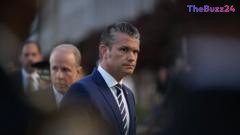
The United States military is navigating a period of profound internal upheaval and external strategic challenges. At home, Defense Secretary Pete Hegseth is spearheading a controversial transformation within the Pentagon, marked by significant leadership departures and a declared “culture war.” Simultaneously, the nation remains deeply engaged in a protracted conflict in the Gulf, aiming to counter Iran’s influence in the Strait of Hormuz, a situation that is drawing substantial US forces and equipment from around the globe. These dual pressures are raising critical questions about the military’s global readiness and the stability of its extensive network of alliances.
The internal discord became starkly evident with the recent resignation of Dan Driscoll, the US Secretary of the Army. Driscoll’s departure, the latest in a series of high-profile exits, stemmed from repeated clashes with Hegseth over the direction and speed of military reform. Driscoll advocated for urgent modernization, emphasizing the integration of drones into army formations to adapt to contemporary warfare, a lesson he believed was underscored by the conflict in Ukraine. However, Hegseth, a former Army National Guardsman and media pundit, has focused heavily on cultural changes, vowing to eliminate “woke” initiatives, scrap “stupid” rules of engagement, and remove what he termed “fat generals.” This approach has led to the removal or sidelining of numerous top uniformed officers and civilian defense leaders, drawing sharp criticism from figures like Republican Senator Thom Tillis, who called for Hegseth’s dismissal, citing “inept management.”
Beyond the internal strife, the ongoing Gulf conflict has placed considerable strain on US military resources. The deployment has necessitated a significant redistribution of assets, with weapons and munitions being transferred from Europe and Asia to replenish supplies in the Middle East. This reallocation has reportedly left critical stockpiles, such as Tomahawk attack missiles and Patriot interceptors, severely depleted. European allies, in particular, are experiencing “blowback,” with concerns raised about weakened US commitment and increased vulnerabilities to “hybrid” attacks. While the Trump administration’s long-term strategy prioritizes the Pacific region and rivalry with China, even assets from this area have been diverted, further complicating global strategic positioning.
Despite these concerns, the White House has consistently expressed “full confidence” in Secretary Hegseth and the Department of War, asserting that the US military’s might is “stronger than it’s ever been” and possesses ample munitions for all strategic goals. Vice-President JD Vance has defended Hegseth’s efforts to “revive the warrior spirit,” arguing for a necessary culture shift after decades of perceived “military misadventures.” However, critics, including former Pentagon officials, warn that the extensive leadership changes risk “hollowing out” the military command structure at a critical juncture, potentially compromising its ability to discharge responsibilities effectively and manage global risks. The ongoing narrative war, with images of strained naval assets, underscores the challenge for the administration as it attempts to transform the Pentagon amidst a costly and protracted global engagement.
Key Takeaways
- The Pentagon is experiencing significant internal upheaval under Defense Secretary Pete Hegseth, marked by high-profile departures like Army Secretary Dan Driscoll, due to clashes over military reform and a "culture war" agenda.
- The US military faces resource strain and strategic shifts from ongoing conflicts in the Gulf, leading to depleted munitions and diverted assets from Europe and the Pacific, impacting global alliances and readiness.
- Critics express concern that Hegseth's leadership changes and focus on cultural reform are "hollowing out" military leadership, potentially increasing global security risks, despite White House assurances of military strength.
Editor’s Analysis & Impact
The ongoing turmoil within the Pentagon, coupled with the strategic demands of global conflicts, presents a complex challenge for the US defense establishment. The internal leadership purges and the declared “culture war” could lead to a brain drain of experienced personnel, potentially impacting long-term strategic planning and operational effectiveness. For the defense industry, this instability might translate into unpredictable procurement cycles and shifts in modernization priorities. Geopolitically, the reallocation of resources and perceived weakening of alliances, particularly in Europe, could embolden adversaries and necessitate a re-evaluation of collective security strategies. The future outlook suggests continued debate over the balance between cultural reform and military readiness, with potential implications for US global leadership and the stability of international security frameworks.
Frequently Asked Questions
Q: Why did Army Secretary Dan Driscoll resign?
A: Dan Driscoll resigned due to repeated clashes with Defense Secretary Pete Hegseth over the pace and nature of military modernization, particularly Driscoll's advocacy for integrating drones and adapting to 21st-century warfare.
Q: What are the main criticisms against Defense Secretary Pete Hegseth?
A: Critics accuse Hegseth of "inept management," "hollowing out" military leadership through extensive purges, prioritizing a "culture war" over readiness, and disrupting crucial modernization efforts within the armed forces.
Q: How has the conflict in the Gulf impacted US military resources?
A: The conflict has led to significant depletion of critical munitions stockpiles, such as Tomahawk and Patriot missiles, and necessitated the diversion of military assets, including carrier forces, from other strategic regions like Europe and the Pacific.
AI Disclosure: This article is based on verified data and official reports. Our Team and AI have cross-referenced every financial detail with primary sources to ensure total accuracy.
More from this Category