Robots Enter US Housing Market: Tackling Shortages with Precision, Not Humanoids
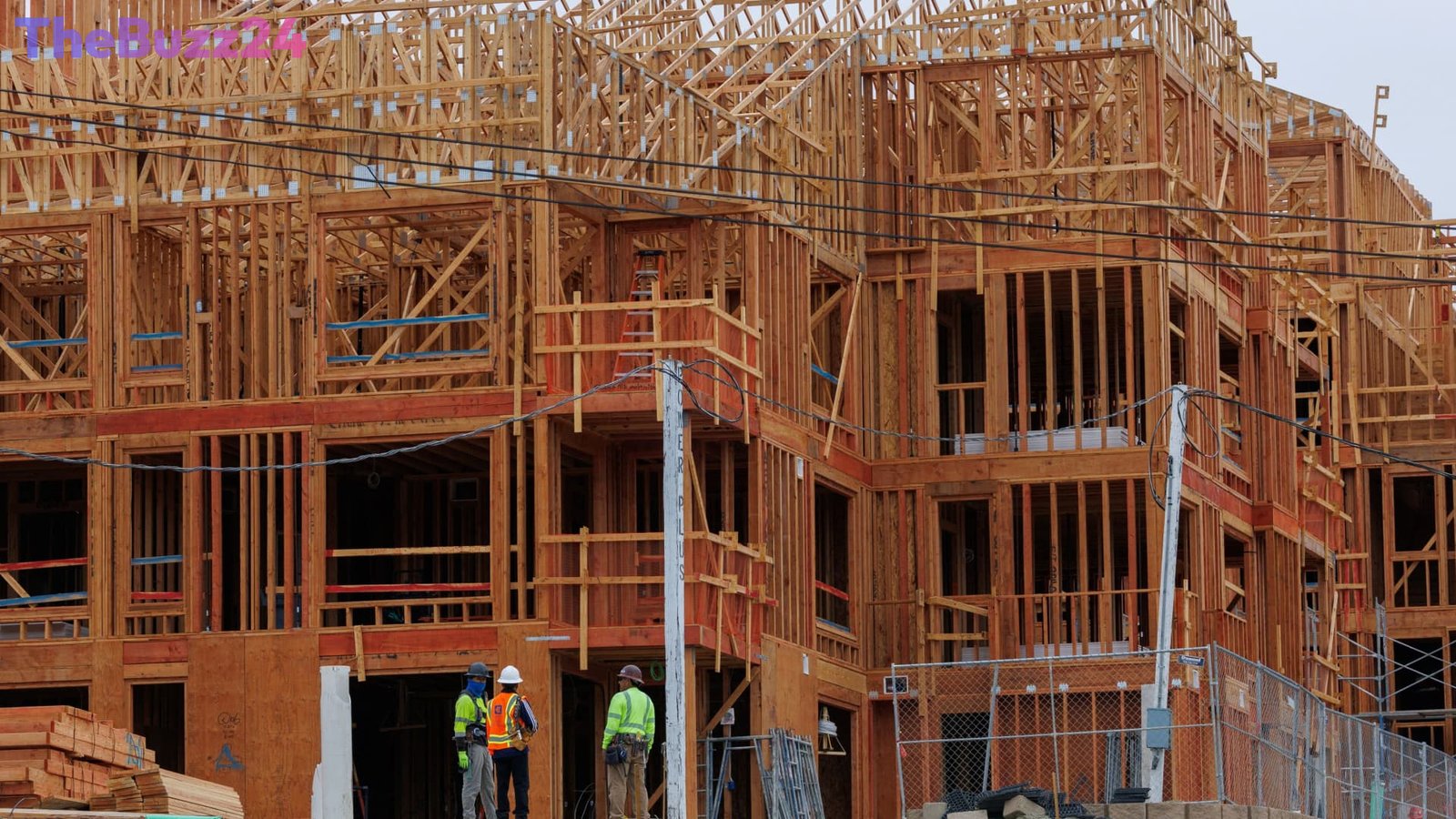
The United States is grappling with a significant housing deficit, facing a shortfall of approximately 1.2 million homes and a critical shortage of nearly 300,000 construction workers. This labor gap not only drives up costs for homebuilders, costing them an estimated $11 billion annually, but also extends construction timelines by several months. While robotics and automation are widely seen as potential solutions to boost productivity and affordability, the reality on the ground is far from the futuristic vision of humanoid robots constructing houses.
Industry experts suggest that the most impactful advancements are not in replacing human labor with anthropomorphic machines, but rather in specialized applications. These include robotic systems designed to minimize errors, enhance coordination among different trades, and automate repetitive tasks. Furthermore, a significant shift is occurring as more construction processes are moved into controlled factory environments, a trend particularly advanced in countries like Japan. These factories leverage automation for tasks such as welding, structural framing, and material handling, treating home construction more like an automotive assembly line.
Construction sites present unique challenges for automation due to their dynamic and ever-changing nature. Unlike the predictable environment of a factory, a construction site is constantly evolving, making it difficult for robots to perform the same tasks repeatedly. This variability means that the most measurable gains in productivity are currently seen in highly structured and repetitive tasks, such as precise layout marking, drilling, fastening, and material handling. Companies like Dusty Robotics are developing systems that print digital building plans directly onto floors, ensuring multiple trades have accurate, standardized instructions, which has led to significant reductions in rework and layout times for major construction firms.
While the prospect of fully automated construction sites with humanoid robots remains distant, the integration of robotics and off-site prefabrication is beginning to streamline the building process. Systems that combine robotic layout with prefabricated components like wall panels and material packages are reducing construction times for structural shells. However, realizing the full benefits of these technologies requires coordination across various trades and a commitment to standardized designs, making projects with repetitive elements, such as tract housing and multi-family developments, prime candidates for early adoption. Experts anticipate that robotics will enhance housing output over the next decade through targeted efficiency improvements, with factory automation and prefabrication leading the charge, while on-site robots will likely focus on demanding or precision-sensitive tasks. Despite these advancements, the need for skilled human labor in construction is expected to remain robust.
Key Takeaways
- The US faces a significant housing and construction labor shortage, costing billions annually and delaying projects.
- Robotics are improving homebuilding through specialized applications like error prevention, trade coordination, and factory automation, rather than humanoid robots on-site.
- Off-site prefabrication and robotic layout systems are showing promise in reducing construction times and rework, particularly for standardized projects.
Editor’s Analysis & Impact
The integration of robotics into the construction industry represents a critical, albeit gradual, response to the persistent housing and labor shortages plaguing the United States. While the vision of fully autonomous construction sites is still years away, the current focus on precision, error reduction, and off-site manufacturing is already yielding tangible benefits. This shift towards automation, particularly in controlled factory settings, mirrors advancements seen in other manufacturing sectors and highlights a pragmatic approach to increasing efficiency and output. The industry’s challenge lies in scaling these solutions and fostering the necessary coordination among diverse trades to maximize their impact. As technology matures and adoption grows, we can expect a more streamlined, potentially more affordable, housing market, though the demand for skilled human labor is unlikely to disappear entirely, especially in specialized roles.
Frequently Asked Questions
Q: How significant is the housing shortage in the US?
A: The United States is estimated to be short approximately 1.2 million homes, coupled with a deficit of nearly 300,000 construction workers.
Q: Are humanoid robots being used on construction sites today?
A: No, the current advancements in construction robotics are focused on specialized tasks like layout marking, error prevention, and factory automation, rather than general-purpose humanoid robots performing complex on-site construction.
Q: What are the main benefits of current construction robotics?
A: Current robotics offer improved precision, reduced errors, increased throughput for repetitive tasks, better coordination between trades, and significant time savings through off-site prefabrication and robotic layout systems.
AI Disclosure: This article is based on verified data and official reports. Our Team and AI have cross-referenced every financial detail with primary sources to ensure total accuracy.
More from this Category