The $100,000 Illusion: Why Soaring College Sticker Prices Are Masking a Higher Education Crisis
While several elite American universities now boast annual sticker prices exceeding $100,000, many institutions are facing unprecedented financial distress. This paradox stems from a widespread shift toward a “high-tuition, high-aid” model. To attract students and meet enrollment targets, colleges are aggressively raising tuition rates while simultaneously boosting institutional grant aid. Consequently, net tuition revenue—the actual money schools pocket—is steadily declining across the sector.
The financial strain is particularly acute for mid-tier private liberal arts colleges. Unlike elite institutions like Georgetown University or Tufts University, where roughly half of the student body pays the full sticker price, mid-tier schools must offer steep discounts to remain competitive. Industry data indicates that the average tuition discount rate for first-time, full-time students at private colleges has climbed to approximately 57%. Economists note that higher education is rapidly transitioning from a seller’s market to a buyer’s market, forcing schools to compromise their bottom lines to fill seats.
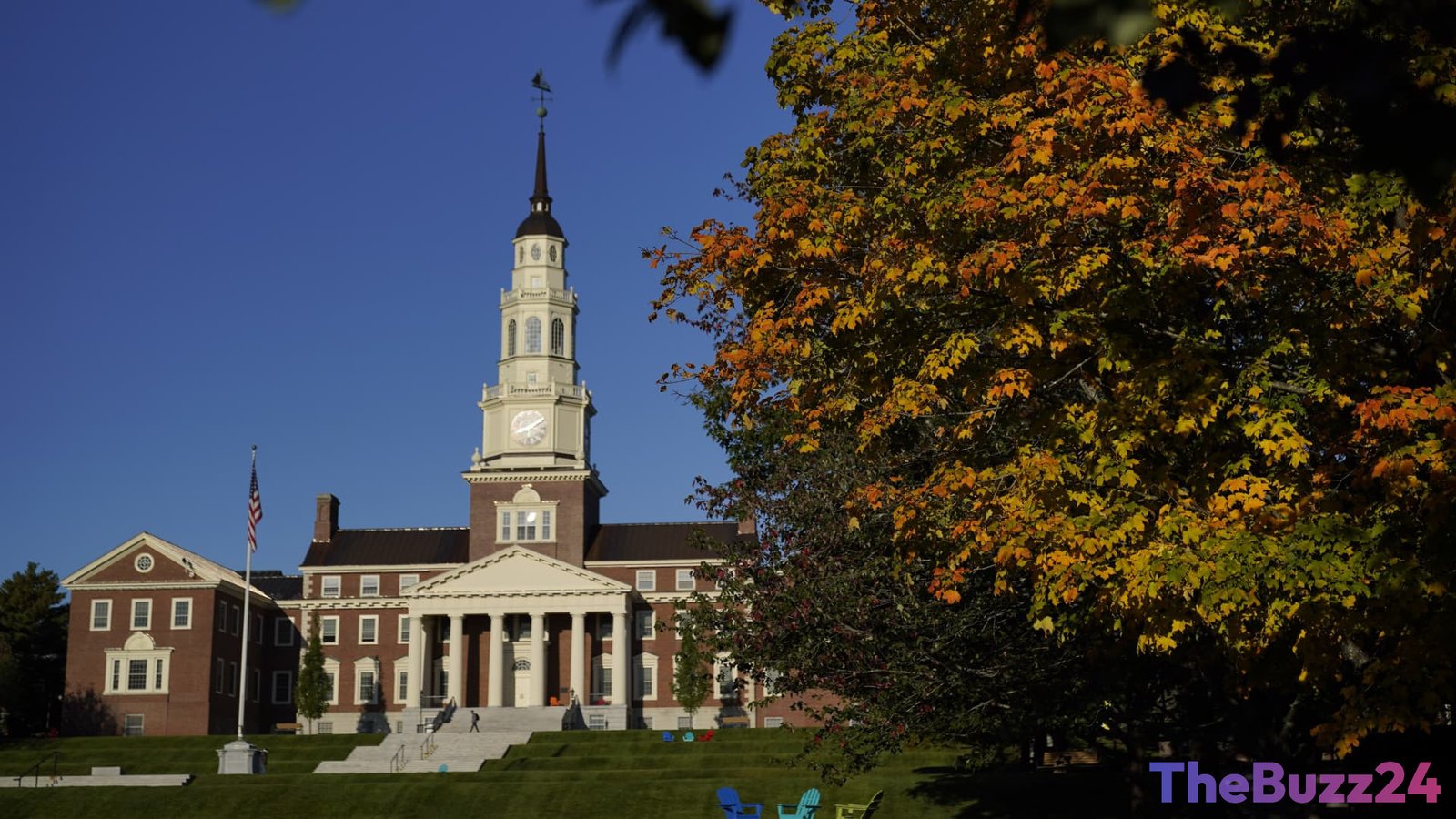
This economic imbalance has already triggered a wave of closures among smaller colleges, a trend that experts warn is poised to accelerate. David Greene, president of Colby College, describes the current trajectory as a “death spiral” for institutions that lack substantial endowment support. While Colby College has managed to buffer its generous financial aid packages—averaging over $77,000 against a $96,120 sticker price—through a massive $1 billion fundraising campaign, Greene cautions that such philanthropic success is an outlier and highly difficult to replicate.
Compounding the issue is a profound lack of transparency in higher education pricing, which critics compare to the opaque billing systems of the healthcare sector. Prospective students rarely know their actual out-of-pocket costs until late in the application cycle when financial aid packages are finally disclosed. As operating costs climb and enrollment numbers fluctuate, the unsustainable reliance on heavily discounted tuition is proving to be a ticking time bomb for the business model of American higher education.
Key Takeaways
- Despite sticker prices crossing the $100,000 threshold at some institutions, net tuition revenue is declining due to a 'high-tuition, high-aid' model.
- Mid-tier private colleges are offering average tuition discounts of up to 57% to meet enrollment goals, severely squeezing their operating margins.
- A lack of pricing transparency makes it difficult for families to estimate actual costs, while rising operational expenses push vulnerable schools toward closure.
Editor’s Analysis & Impact
The higher education sector is facing a structural crisis that threatens the survival of mid-tier and small private institutions. The ‘high-tuition, high-aid’ strategy was designed to maximize enrollment while maintaining an aura of prestige, but it has instead created an unsustainable financial loop. As demographic shifts lead to a shrinking pool of college-aged students—often referred to as the ‘enrollment cliff’—competition will intensify. Elite universities with multi-billion-dollar endowments will remain insulated, but mid-tier schools without massive philanthropic backing will face a stark choice: merge, significantly downsize, or close entirely. This consolidation will likely reshape the landscape of American higher education, shifting power further toward wealthy, prestigious brands and leaving a vacuum in regional, liberal arts education.
Frequently Asked Questions
Q: What is the 'high-tuition, high-aid' model?
A: It is a strategy where colleges set high nominal tuition rates (the sticker price) but simultaneously offer substantial institutional grants and scholarships to lower the actual net price for students, aiming to attract applicants and meet enrollment targets.
Q: Why are some colleges closing despite charging record-high tuition?
A: While sticker prices are rising, the actual net revenue per student is falling because schools must offer deep discounts to attract students. Combined with rising operating costs and declining enrollment, many smaller colleges can no longer cover their expenses.
Q: How does pricing transparency in higher education compare to other industries?
A: Experts compare higher education pricing transparency to the healthcare sector. Because actual costs depend heavily on individualized financial aid packages awarded late in the admissions process, it is incredibly difficult for families to determine what they will actually pay upfront.
AI Disclosure: This article is based on verified data and official reports. Our Team and AI have cross-referenced every financial detail with primary sources to ensure total accuracy.
More from this Category