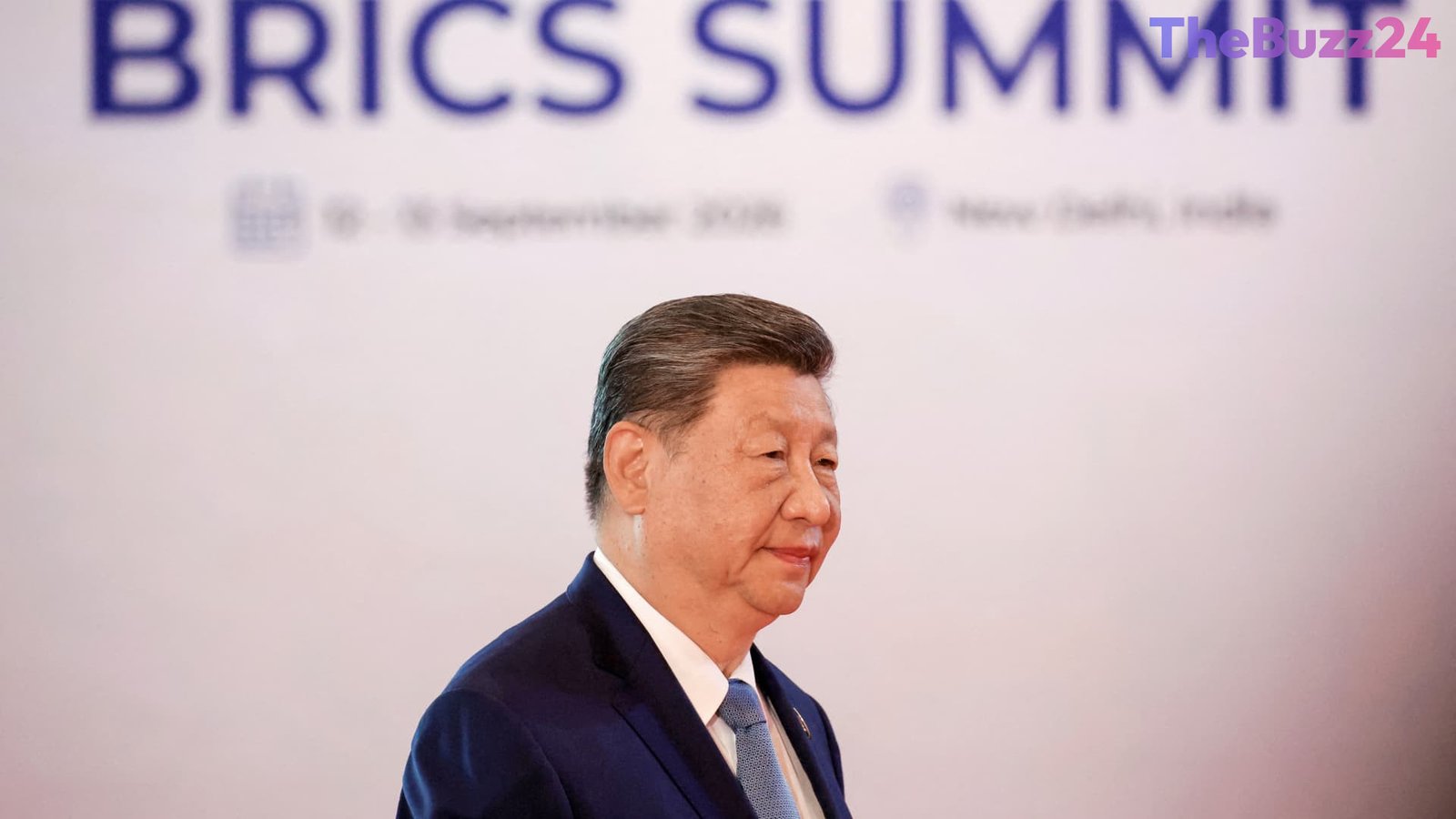
China Spearheads AI Integration Initiative Across BRICS Nations
President Xi Jinping has announced that China will take a leading role in fostering artificial intelligence collaboration and technological development among BRICS member nations. The initiative, unveiled during the recent BRICS summit, aims to bridge the digital divide by establishing a comprehensive digital ecosystem cloud platform and promoting industrial alignment across the bloc.
Central to this strategy is the creation of a BRICS AI open-source community, which will support the development and application of large language models. To ensure the long-term success of this technological pivot, China has proposed the formation of an engineer cultivation alliance and a youth exchange program specifically focused on scientific and technological innovation. These efforts will be supplemented by a series of AI seminars and training courses designed to enhance digital literacy among member states.
This push for technological integration comes at a time when the global AI sector is experiencing rapid, unprecedented growth. While the international community remains deeply divided over the safety and potential existential risks associated with advanced AI, the BRICS initiative focuses primarily on infrastructure, skill-building, and collaborative development. By formalizing these partnerships, China seeks to solidify the bloc’s position as a significant player in the global digital economy, moving beyond its original role as a geopolitical counterweight to Western influence.
Key Takeaways
- China is spearheading a new initiative to foster AI collaboration and digital infrastructure development among BRICS nations.
- The plan includes the creation of an open-source AI community, a digital ecosystem cloud platform, and specialized training programs for engineers and youth.
- The initiative aims to strengthen technological alignment within the expanded BRICS bloc, which now includes countries across Africa, the Middle East, and Asia.
Editor’s Analysis & Impact
China’s move to position itself as the primary architect of AI development within the BRICS bloc signals a strategic shift toward technological sovereignty for developing nations. By providing the infrastructure and open-source frameworks for large language models, China is effectively creating a parallel digital ecosystem that operates independently of Western-led AI standards. This initiative is likely to accelerate the adoption of AI technologies in emerging markets, potentially creating a new sphere of influence defined by shared technical protocols and industrial standards. However, the long-term success of this project will depend on the bloc’s ability to navigate the complex global debate surrounding AI safety and regulation. If successful, this could significantly alter the global balance of power in the tech sector, shifting the focus from purely Western innovation hubs to a more decentralized, multi-polar technological landscape.
Frequently Asked Questions
Q: What is the primary goal of China's new AI initiative for BRICS?
A: The goal is to foster AI collaboration, establish a digital ecosystem cloud platform, and promote technological skill-building and industrial alignment among BRICS member countries.
Q: Which countries are currently part of the BRICS bloc?
A: The bloc originally included Brazil, Russia, India, China, and South Africa, and has since expanded to include Egypt, Ethiopia, Indonesia, Iran, and the United Arab Emirates.
AI Disclosure: This article is based on verified data and official reports. Our Team and AI have cross-referenced every financial detail with primary sources to ensure total accuracy.
More from this Category