Prediction Markets Brace for ‘Supercycle’ as NFL and Midterms Converge
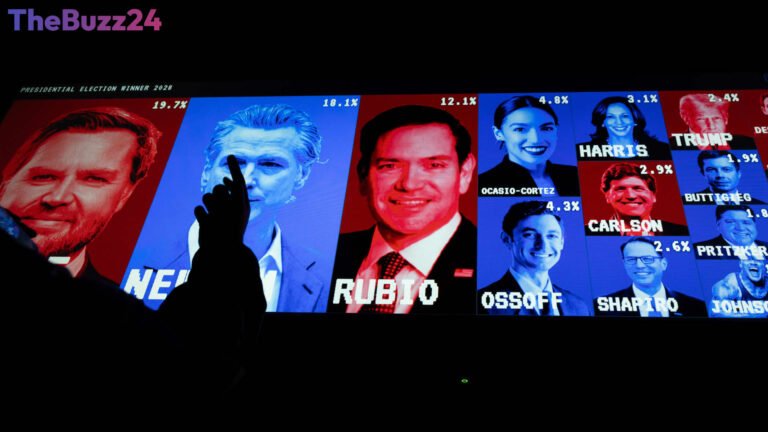
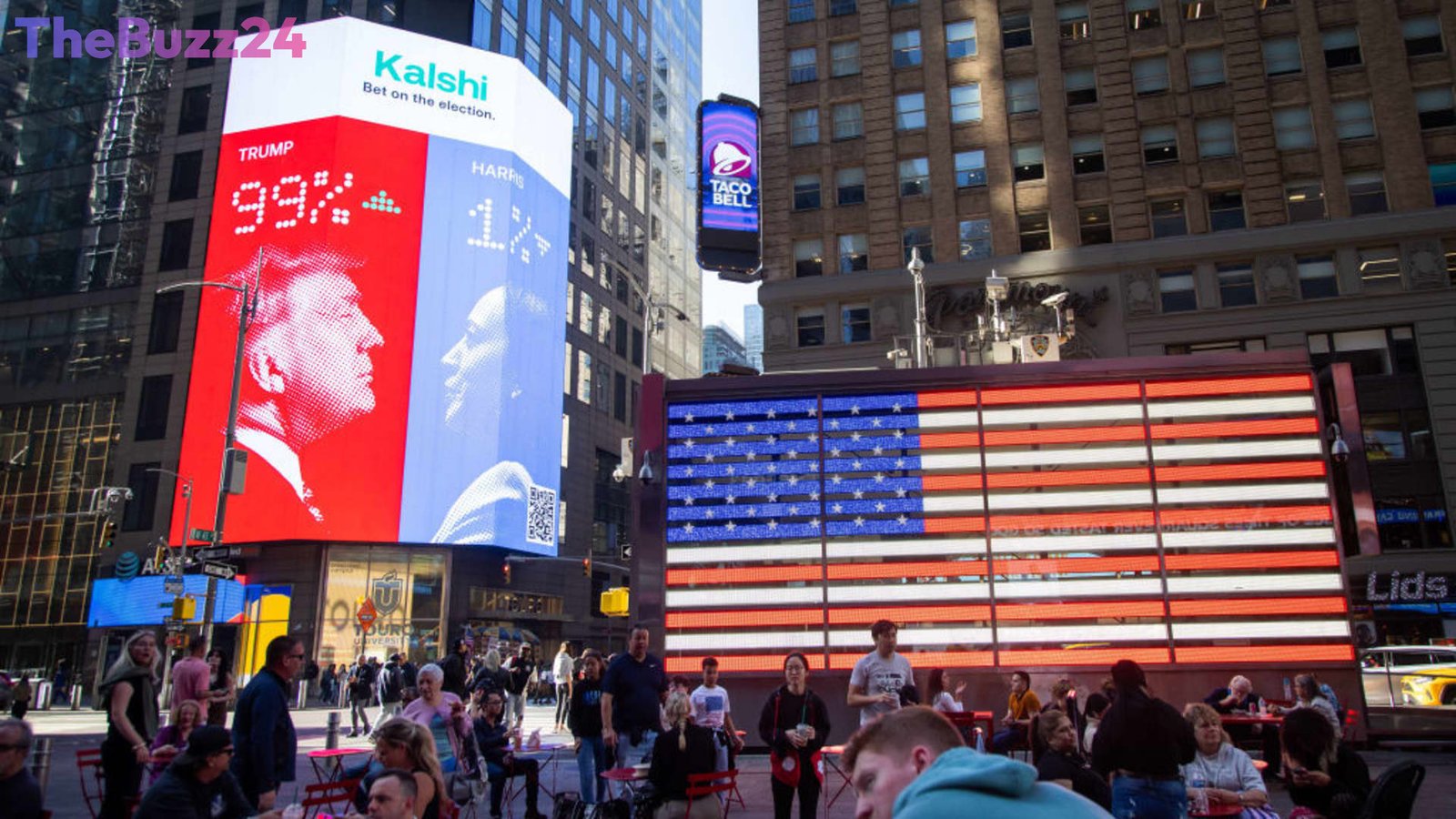
The fall season is shaping up to be a pivotal period for prediction markets, with the convergence of the National Football League (NFL) season and the midterm elections poised to drive significant growth and adoption. Platforms are leveraging these high-profile events, which have previously propelled them into the mainstream, to attract new users and increase trading volumes.
The current NFL season commenced recently, while midterm election campaigns are historically intensifying after Labor Day. This dual focus presents a unique “supercycle” opportunity for prediction markets, according to industry insiders. Major players like Polymarket and Kalshi, alongside emerging exchanges, are actively seeking to capitalize on the heightened interest generated by both sports and politics.
Prediction markets experienced substantial growth in previous years, fueled by the 2024 presidential election and the start of the 2025 NFL season. Now, with both the NFL and the crucial midterm election campaigns unfolding concurrently over the next few months, these platforms anticipate an unprecedented surge in activity. Daily notional trading volumes have consistently reached billions, underscoring the market’s expanding reach.
In preparation for this busy period, platforms are rolling out new features and marketing campaigns. Polymarket has launched an advertisement featuring sports icons and introduced a new social trading feature. Kalshi, which recently saw record trading volume on the first day of college football, is enhancing its offerings for users and expanding partnerships. Despite facing regulatory scrutiny and operational challenges, such as temporary platform outages and market resolution errors, these companies are emphasizing their commitment to operating within regulatory frameworks and providing trusted products.
Key Takeaways
- Prediction markets are anticipating a significant surge in activity this fall due to the overlap of the NFL season and midterm election campaigns.
- Major platforms like Polymarket and Kalshi are investing in marketing and new features to capitalize on this 'supercycle' event.
- Despite regulatory challenges and operational glitches, the prediction market industry is experiencing substantial growth and aims for further adoption.
Editor’s Analysis & Impact
The convergence of the NFL season and midterm elections presents a critical juncture for the prediction market industry. This ‘supercycle’ offers a prime opportunity to solidify mainstream adoption beyond niche political or sports betting circles. The increased trading volumes and user engagement driven by these events could significantly influence regulatory discussions and attract further investment. However, platforms must navigate the complexities of regulatory oversight and ensure platform stability to maintain user trust. Success this fall could pave the way for prediction markets to become a more integrated part of financial and information ecosystems, offering insights into a wider array of future events.
Frequently Asked Questions
Q: What are prediction markets?
A: Prediction markets, also known as prediction exchanges or information markets, are platforms where users can trade contracts whose payoffs depend on the outcome of future events. These events can range from political elections and economic indicators to sports results and entertainment awards.
Q: How do prediction markets differ from traditional betting?
A: While both involve wagering on outcomes, prediction markets are often framed as a form of information aggregation. The prices of contracts theoretically reflect the collective belief of traders about the probability of an event occurring. Unlike traditional betting, where odds are set by a bookmaker, prediction market prices are determined by supply and demand, allowing for a more dynamic reflection of perceived probabilities.
Q: What are the regulatory challenges facing prediction markets?
A: Prediction markets, particularly those focused on sports events, face regulatory scrutiny in various jurisdictions. Some states and regulators view these contracts as a form of illegal gambling, while platforms often argue they fall under the purview of commodity trading regulations. This has led to ongoing legal battles and uncertainty about the future regulatory landscape.
AI Disclosure: This article is based on verified data and official reports. Our Team and AI have cross-referenced every financial detail with primary sources to ensure total accuracy.
More from this Category