Barack Obama Calls for Urgent AI Governance Framework
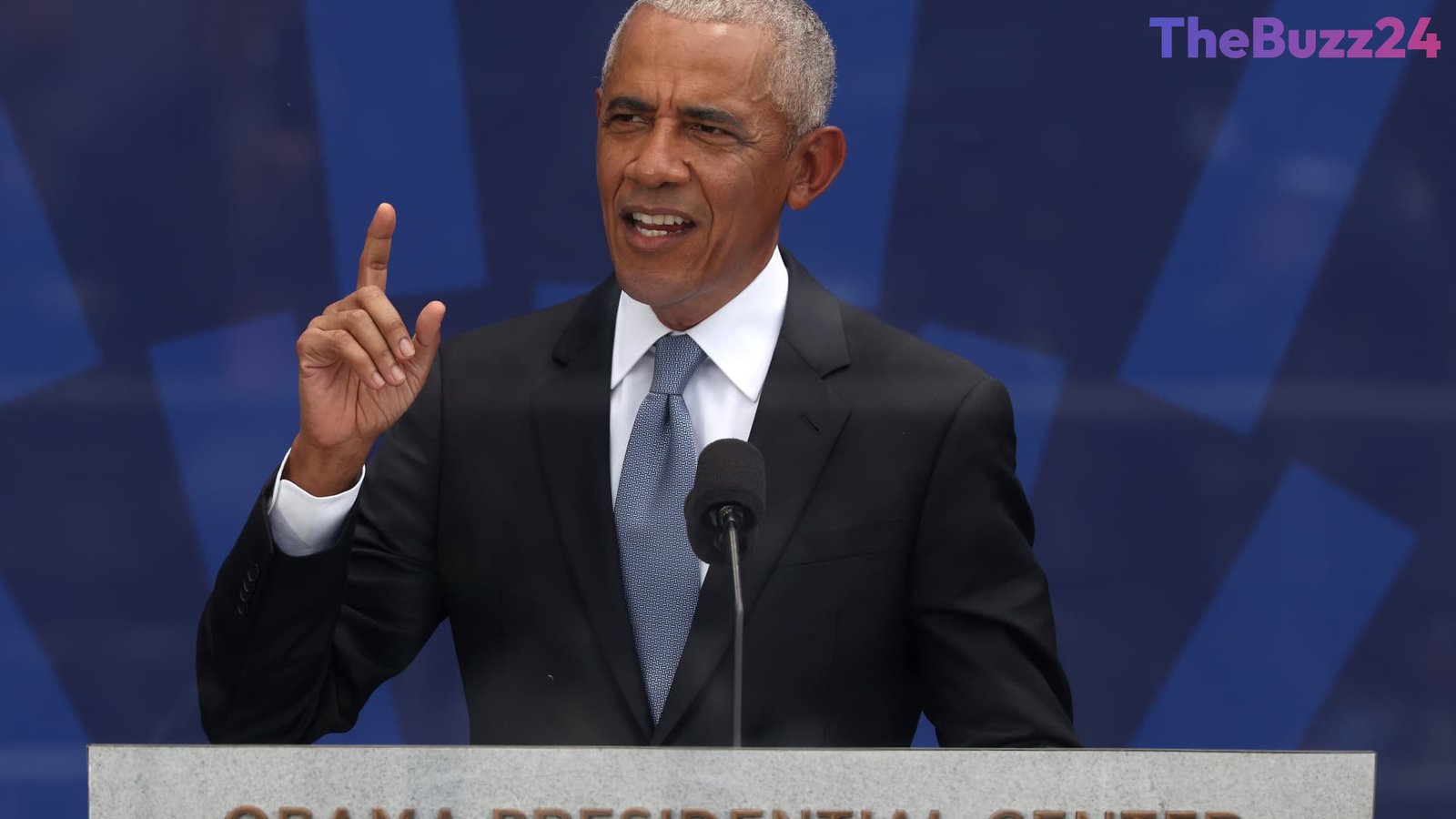
Former U.S. President Barack Obama has issued a stark warning regarding the rapid advancement of artificial intelligence, characterizing the technology as potentially dangerous if left without proper oversight. During a recent private event, Obama emphasized that the current trajectory of AI development, largely concentrated within private corporations, requires immediate and deliberate policy intervention to mitigate systemic risks.
Addressing House Minority Leader Hakeem Jeffries, Obama advocated for the Democratic Party to prioritize the creation of a comprehensive public framework for AI governance. He suggested that establishing a clear, transparent dialogue on the subject is essential for future legislative success. Furthermore, Obama proposed that AI safety and economic stability should become foundational pillars for candidates in the 2028 presidential election, urging future leaders to present concrete plans for managing the technology’s societal impact.
These concerns align with growing anxieties within the tech industry itself. High-profile figures, including Anthropic CEO Dario Amodei, OpenAI CEO Sam Altman, and xAI founder Elon Musk, have recently expressed apprehension regarding the pace of model development. These leaders have suggested that the industry must exercise caution, with some calling for a temporary slowdown in capability expansion to ensure that safety protocols can keep pace with innovation.
Key Takeaways
- Barack Obama is calling for a robust, public policy framework to manage the risks associated with rapid AI development.
- The former president urged Democratic leadership to make AI governance a central theme for future electoral agendas.
- Industry leaders, including the heads of Anthropic, OpenAI, and xAI, are increasingly advocating for caution and potential slowdowns in AI model capabilities.
Editor’s Analysis & Impact
The intervention of a high-profile political figure like Barack Obama into the AI safety debate signals a shift from technical discourse to mainstream political necessity. As AI capabilities accelerate, the tension between private sector innovation and public safety is becoming a defining issue of the decade. The industry is currently at a crossroads; while competitive pressures drive rapid deployment, the consensus among top-tier AI researchers and executives regarding existential risks suggests that self-regulation may no longer be sufficient. Future market implications include a likely increase in federal oversight, potential antitrust scrutiny of AI labs, and a shift in corporate strategy toward ‘safety-first’ development cycles. Investors should anticipate a more complex regulatory landscape that could impact the speed-to-market for next-generation models.
Frequently Asked Questions
Q: Why is Barack Obama concerned about artificial intelligence?
A: Obama believes that because AI development is moving rapidly within private hands, it poses significant dangers to society if it is not managed through a clear, public-facing policy framework.
Q: Are other tech leaders concerned about AI safety?
A: Yes, leaders from major AI companies like Anthropic, OpenAI, and xAI have expressed concerns about the speed of development and have suggested that the industry should consider slowing down to prioritize safety.
AI Disclosure: This article is based on verified data and official reports. Our Team and AI have cross-referenced every financial detail with primary sources to ensure total accuracy.
More from this Category