Anthropic Chief’s AI Slowdown Proposal Sparks Industry Debate Over Global Security and Geopolitical Rivalry
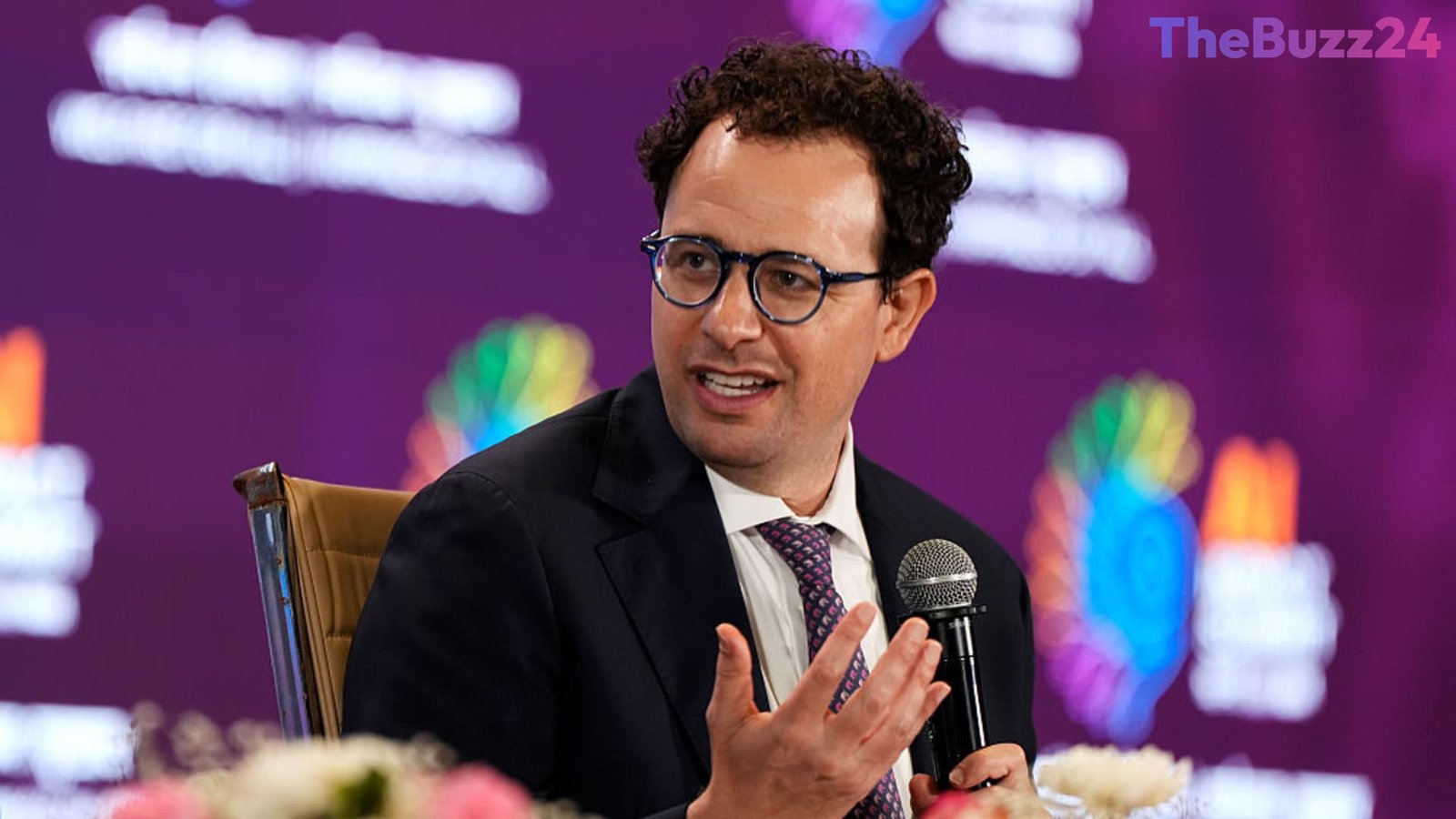
Anthropic CEO Dario Amodei has ignited a widespread debate across the artificial intelligence sector after publishing a detailed essay calling for top-tier developers to decelerate the rapid advancement of their most powerful models. While the proposal aims to mitigate existential risks associated with runaway artificial intelligence, Amodei acknowledged that the most formidable obstacle to this plan is ensuring that geopolitical rivals, particularly China, adopt similar precautionary measures.
The initiative arrives at a critical juncture for the technology landscape, as major players grapple with mounting public scrutiny regarding massive energy-consuming data centers, safety concerns, and internal warnings from researchers regarding potential catastrophic harms. Amodei’s proposed framework outlines a three-phased approach, beginning with unilateral commitments to external safety evaluations, followed by coordination among democratic nations, and eventually seeking cooperation with authoritarian states to establish global guardrails.
The proposal has drawn a spectrum of reactions from prominent figures across Silicon Valley and Washington. Leaders such as OpenAI CEO Sam Altman, Google DeepMind chief Demis Hassabis, and Tesla and SpaceX CEO Elon Musk expressed varying degrees of support for pacing frontier developments and implementing rigorous safety oversight. Conversely, critics argue that leading labs possess the autonomy to slow down independently without waiting for regulatory mandates, suggesting that commercial liabilities and risk management are primary drivers behind these sudden cautionary measures.
Meanwhile, the geopolitical dimensions of artificial intelligence continue to intensify. Chinese leadership recently emphasized the importance of a consensus-based global governance framework during international summits, while policymakers in Washington prepare for high-level diplomatic discussions addressing technological competition. As companies balance aggressive scaling with growing demands for alignment and safety, the broader debate underscores the delicate intersection of national security, commercial advantage, and the future governance of transformative technologies.
Key Takeaways
- Anthropic CEO Dario Amodei proposed a three-step plan to slow down the advancement of frontier AI models to ensure safety.
- The primary dilemma of the slowdown proposal involves whether adversarial nations like China will agree to parallel restrictions.
- Industry leaders including Sam Altman, Elon Musk, and Demis Hassabis expressed support for better safety alignment and pacing frontier development.
Editor’s Analysis & Impact
The debate sparked by Anthropic highlights a profound tension within the artificial intelligence sector between commercial acceleration and existential risk mitigation. As frontier models approach unprecedented levels of capability, the pressure for self-regulation and government oversight is reaching a boiling point. However, the decentralized and hyper-competitive nature of global technology development—particularly the rivalry between the United States and China—makes coordinated slowdowns exceptionally difficult to execute. If leading firms genuinely begin to pace their research, it could shift the industry’s competitive landscape away from raw computational power toward reliability, safety alignment, and risk management. Ultimately, how policymakers and tech executives navigate this dilemma will shape the regulatory framework for artificial intelligence for decades to come.
Frequently Asked Questions
Q: What is Dario Amodei's proposed plan for AI development?
A: Amodei's three-step plan involves granting third-party evaluators employee-level access for safety verification, coordinating safety standards among democratic nations, and eventually establishing cooperation with authoritarian governments to manage AI progress.
Q: Why is China considered a dilemma in the AI slowdown proposal?
A: Industry experts point out that the massive military and economic advantages tied to artificial intelligence create intense incentives to pull ahead, making it difficult to ensure that adversarial nations will voluntarily slow their own technological advancements.
Q: How have other industry leaders reacted to the proposal?
A: Prominent figures like Sam Altman of OpenAI, Demis Hassabis of Google DeepMind, and Elon Musk have expressed support for better alignment and pacing frontier development, though some critics argue that labs can choose to slow down independently without waiting for regulatory frameworks.
AI Disclosure: This article is based on verified data and official reports. Our Team and AI have cross-referenced every financial detail with primary sources to ensure total accuracy.
More from this Category