How a Niche Oil Tanker Fund Surged Over 3,600% Amid Global Supply Chain Chaos
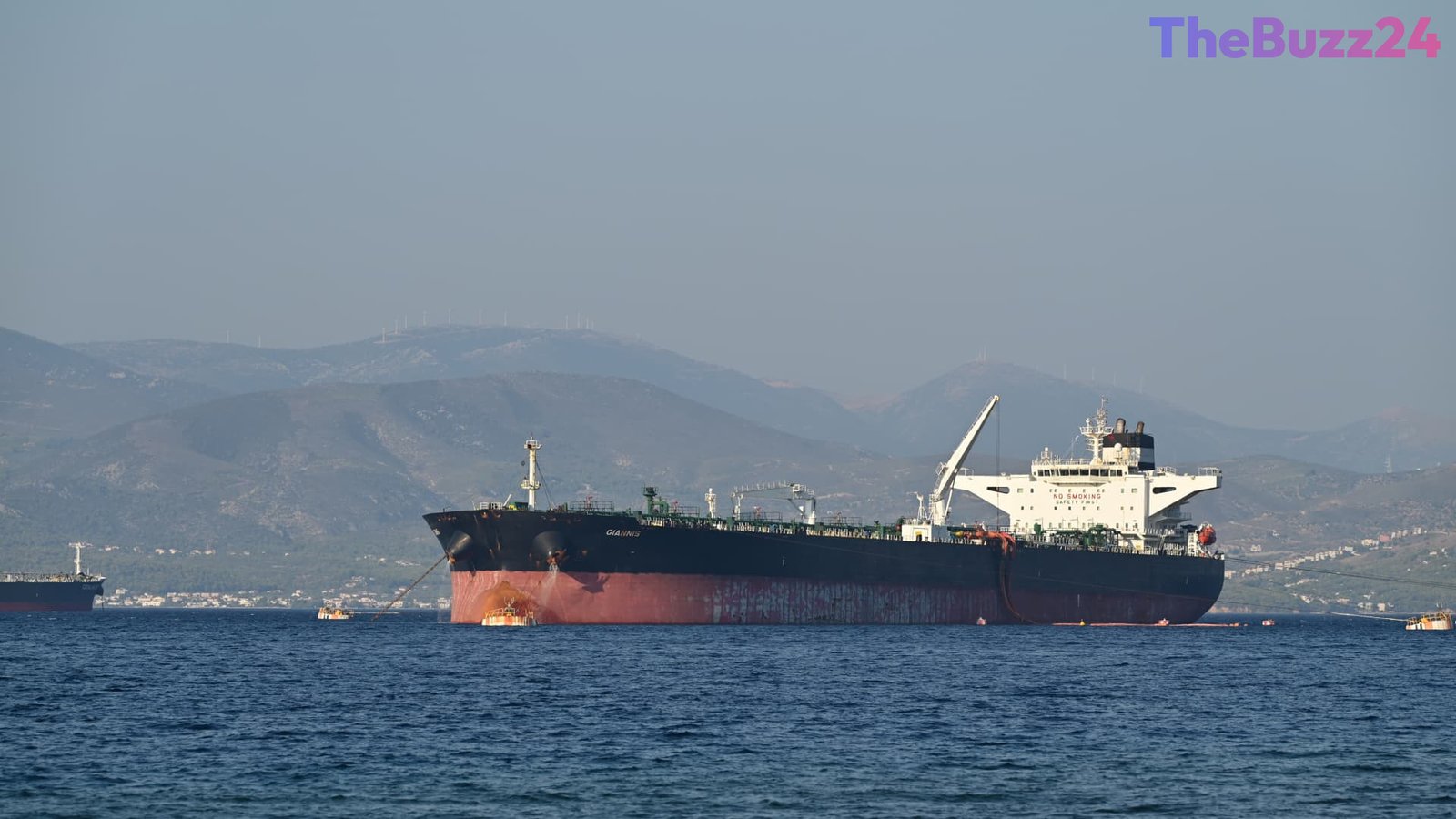
The Breakwave Tanker Shipping ETF has experienced an unprecedented surge, climbing more than 3,600% year-to-date and positioning itself as one of the top-performing non-levered funds in the United States. This staggering growth is primarily driven by escalating geopolitical conflicts in the Middle East, particularly the ongoing U.S.-Iran tensions that have severely restricted tanker traffic through vital maritime chokepoints like the Strait of Hormuz. Rather than tracking underlying crude oil prices, the specialized fund focuses exclusively on the futures cost of transporting oil, allowing investors to capitalize directly on skyrocketing freight rates.
Global supply chains continue to face compounding pressures from multiple directions, including Houthi rebel activities in the Red Sea, infrastructure shutdowns, and international trade tariffs that force vessels to take longer, more expensive routes. Industry analysts point out that a global shortage of available cargo vessels—exacerbated by low water levels crippling crucial paths like the Panama Canal—has left shipping companies with unprecedented pricing power. In this high-stakes environment, long-standing clients are routinely outbid for scarce container space, driving freight costs significantly higher and yielding massive profits for maritime carriers.
While the extraordinary gains have attracted tactical traders looking to capitalize on macroeconomic volatility, experts warn that the fund carries inherent risks tied to unpredictable geopolitical developments. Because the fund holds a concentrated exposure to a handful of futures contracts, any sudden diplomatic breakthrough or resolution to regional hostilities could trigger a sharp, severe market correction. Furthermore, with numerous new vessels currently under construction worldwide, industry insiders project that a supply-demand rebalancing could eventually temper the historic freight boom over the next one to three years.
Key Takeaways
- The Breakwave Tanker Shipping ETF surged over 3,600% year-to-date, making it a standout performer among U.S. funds.
- The financial growth is tied directly to the cost of transporting oil amid Middle East conflicts and restricted maritime routes, rather than crude oil prices themselves.
- Global vessel shortages, trade tariffs, and geopolitical chokepoints have created a seller's market for shipping companies, though future fleet expansions could eventually normalize rates.
Editor’s Analysis & Impact
The meteoric rise of specialized freight funds highlights a profound structural shift in how global markets price geopolitical risk and supply chain fragility. For decades, logistics were treated as a background utility optimized for cost-efficiency. However, the weaponization of trade routes and persistent regional conflicts have turned shipping lanes into high-stakes geopolitical leverage points. While this environment yields massive windfalls for maritime operators and niche tactical investors, it also introduces systemic volatility into global trade. Looking ahead, the impending influx of new cargo vessels currently under construction will likely alleviate capacity constraints in the medium term, but the underlying vulnerability to geopolitical shocks remains a permanent fixture of modern supply chain economics.
Frequently Asked Questions
Q: What does the Breakwave Tanker Shipping ETF track?
A: Unlike traditional energy funds that track the spot price of crude oil, this specific ETF tracks the future cost of transporting oil via maritime tankers.
Q: Why have freight shipping rates skyrocketed?
A: Rates have spiked due to a combination of Middle Eastern military conflicts closing key chokepoints like the Strait of Hormuz, Houthi rebel activities in the Red Sea, international tariffs rerouting ships, and low water levels disrupting critical canals.
Q: Is this fund suitable for long-term investors?
A: Financial experts suggest it is generally better suited for tactical traders rather than long-term buy-and-hold investors, primarily due to its high expense ratio, unique commodity-pool tax structures, and extreme vulnerability to sudden geopolitical shifts.
AI Disclosure: This article is based on verified data and official reports. Our Team and AI have cross-referenced every financial detail with primary sources to ensure total accuracy.
More from this Category