Waymo Rolls Out Public Robotaxi Service in Las Vegas
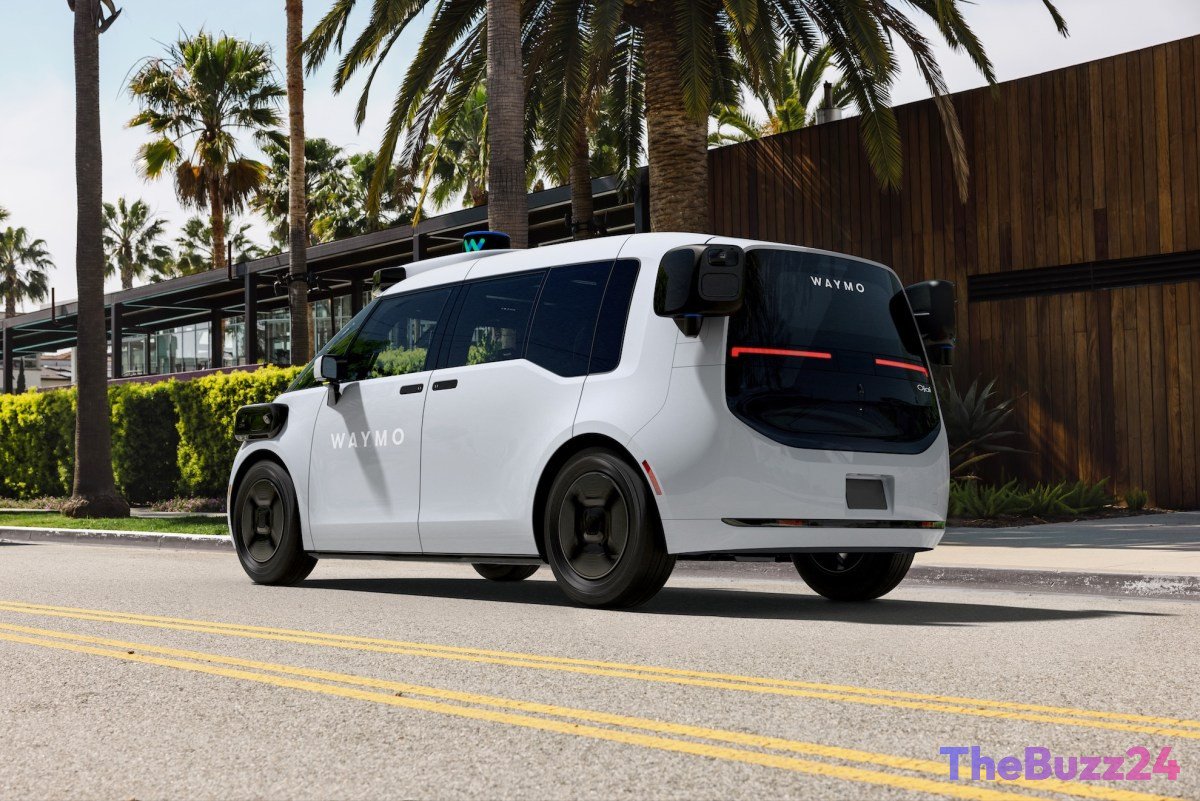
Alphabet’s autonomous vehicle division, Waymo, has officially launched its fully driverless robotaxi service to the public in Las Vegas. This expansion follows the company’s recent acquisition of final approval from Nevada’s transportation regulators, marking its 15th operational market.
The service is being introduced on a phased basis, inviting the public to request access. Initially, Waymo will deploy a fleet of its “Ojai” minivan autonomous vehicles, covering a significant area of Las Vegas, including the popular Strip and extending south towards Boulder Junction. While the current service area and fleet size are limited, Waymo plans to scale both in the coming months, a strategy consistent with its previous launches in other cities.
This move places Waymo in direct competition with other major players in the burgeoning autonomous vehicle sector. Competitors like Tesla and Motional are also gearing up to introduce their commercial robotaxi services in Las Vegas. Notably, Zoox is already providing commercial autonomous rides in the city, intensifying the competitive landscape. Waymo’s expansion into Las Vegas is part of a broader push to grow its operations across the United States and Europe, aiming to solidify its leading position against rivals.
The Nevada Transportation Authority has granted permits allowing Waymo to operate up to 1,000 autonomous vehicles over the next year. Tesla has received approval for up to 5,000, and Uber, in partnership with Motional and Zoox, can deploy up to 1,000. While these figures suggest a potential saturation of the market with up to 7,000 robotaxis, it remains to be seen if companies will reach their authorized deployment numbers, given current fleet sizes and operational capacities.
Key Takeaways
- Waymo has launched its public robotaxi service in Las Vegas, its 15th market.
- The service is starting with a limited fleet and service area, with plans for expansion.
- Waymo faces increased competition in Las Vegas from Tesla, Motional, and Zoox, with significant regulatory permits issued to multiple companies.
Editor’s Analysis & Impact
Waymo’s entry into Las Vegas signifies a critical step in the commercialization of autonomous ride-hailing. By launching in a high-traffic, tourist-heavy market, Waymo aims to demonstrate the viability and scalability of its technology. The competitive environment, with Tesla and others also vying for market share, will likely accelerate innovation and service improvements. This expansion is a key indicator of the growing autonomous vehicle industry’s trajectory, moving from testing phases to widespread public deployment, and will be closely watched for its impact on urban mobility, regulatory frameworks, and consumer adoption.
Frequently Asked Questions
Q: How can the public access Waymo's robotaxi service in Las Vegas?
A: The public can access Waymo's robotaxi service by requesting an invite. Access will be granted on a rolling basis, and users will receive an access code if selected. It typically takes a month or two after the official launch for services to become fully open to everyone.
Q: What is the service area for Waymo's robotaxis in Las Vegas?
A: Initially, Waymo's robotaxis will serve an area of Las Vegas that includes the Strip south of Highway 589 and extends into Boulder Junction. The company plans to expand both its fleet and service area over time.
Q: Who are Waymo's main competitors in the Las Vegas robotaxi market?
A: Waymo's primary competitors in Las Vegas include Tesla, Motional (in partnership with Uber), and Zoox, which is already operating a commercial service in the city.
AI Disclosure: This article is based on verified data and official reports. Our Team and AI have cross-referenced every financial detail with primary sources to ensure total accuracy.
More from this Category