Ethical Storm: US-Funded Baby Vaccine Trial Canceled in Guinea-Bissau Amid ‘Neocolonial’ Accusations
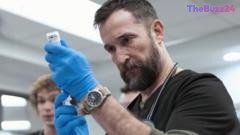
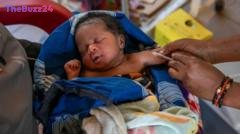
A controversial US-funded trial involving a hepatitis B vaccine for newborn babies in Guinea-Bissau has been officially canceled. The proposed study faced significant international backlash, with critics labeling it as “unethical” and “neocolonial.” The situation escalated as local authorities seized a batch of vaccines intended for the research, adding another layer of complexity to the unfolding events.
The trial, planned at the Bandim Health Project, aimed to administer the hepatitis B vaccine to half of 14,000 newborns shortly after birth, while the other half would not receive it. Researchers stated the objective was to explore potential broader health effects of the vaccine beyond preventing infection, citing previous studies in The Gambia and Guinea-Bissau that suggested possible links to increased mortality. However, public health experts and organizations like the World Health Organization (WHO) raised serious ethical concerns, questioning the decision to withhold a vaccine recommended by the WHO from a portion of infants in a nation where hepatitis B is prevalent.
The World Health Organization’s representative in Guinea-Bissau, Walter Kazadi Mulombo, expressed dismay, highlighting that the hepatitis B vaccine has been safely used for decades worldwide. He emphasized that withholding a proven protective intervention from newborns is unethical, especially given the high rates of hepatitis B infection in Guinea-Bissau, where nearly a fifth of the population is affected. The WHO is now working with the government to expedite the introduction of the birth-dose vaccine, which was originally slated for 2028 but may now be implemented as early as next year.
Guinea-Bissau’s government officially prohibited vaccine trials involving children in January and has since maintained this stance. Health Minister Quinhin Nantote expressed outrage over reports suggesting the trial might proceed, stating that neither she nor the Council of Ministers had been informed. The dispute intensified when the University of Southern Denmark (SDU), which received $1.6 million in funding from the US government for the study, claimed a revised protocol had received ethical approval from “relevant authorities.” This claim was vehemently denied by Nantote. The controversy also drew criticism from global health experts, who questioned why such research was not being conducted in wealthier nations, further fueling accusations of neocolonialism.
Key Takeaways
- A US-funded hepatitis B vaccine trial on newborn babies in Guinea-Bissau was canceled due to ethical concerns and accusations of neocolonialism.
- Critics questioned the ethics of withholding a WHO-recommended vaccine from some infants in a high-infection-rate country.
- Local authorities seized a batch of vaccines, and the WHO is working to expedite the introduction of the birth-dose vaccine in Guinea-Bissau.
Editor’s Analysis & Impact
This incident highlights the persistent ethical debates surrounding clinical research in low-income countries, particularly concerning vaccine trials. The “neocolonialism” accusations underscore a growing demand for research to be conducted equitably, with the same ethical standards applied globally. The cancellation and vaccine seizure reflect heightened scrutiny and a stronger assertion of sovereignty by African nations regarding health research on their populations. This event could lead to more stringent oversight of international research collaborations and potentially influence future funding decisions and ethical review processes for studies conducted in vulnerable regions.
Frequently Asked Questions
Q: Why was the hepatitis B vaccine trial in Guinea-Bissau controversial?
A: The trial was controversial because it proposed withholding a hepatitis B vaccine, recommended by the WHO for newborns, from half of the participating infants. Critics argued this was unethical, especially in a country with a high prevalence of the disease, and raised concerns about neocolonialism.
Q: What was the stated aim of the trial?
A: Researchers stated the trial aimed to investigate whether the hepatitis B vaccine, when given at birth, has broader health effects beyond preventing infection. Previous studies had suggested possible links to increased mortality, which the researchers sought to explore further.
Q: What action did the Guinean-Bissau government take?
A: The government of Guinea-Bissau prohibited vaccine trials involving children in January and maintained this ban. They expressed surprise and outrage at reports that the trial might proceed and subsequently seized a batch of vaccines intended for the research.
AI Disclosure: This article is based on verified data and official reports. Our Team and AI have cross-referenced every financial detail with primary sources to ensure total accuracy.
More from this Category