Geopolitical Turmoil Drives Oil Prices Higher as Saudi Pipeline Shuts Down Amid Houthi Attacks
Global oil benchmarks surged on Tuesday as escalating geopolitical tensions in the Middle East sparked fresh supply concerns. International benchmark Brent crude futures rose 1.25% to $107.00 per barrel, while U.S. West Texas Intermediate (WTI) futures climbed 1.27% to settle at $102.68 per barrel. The price hikes follow a series of drone and missile strikes launched by Houthi forces against Saudi Arabia, alongside reported Iranian operations targeting commercial shipping vessels in the critical Gulf region.
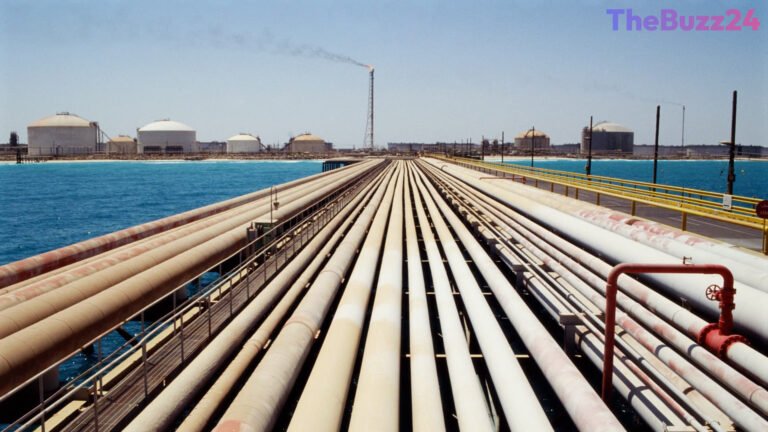
The security situation deteriorated further after Saudi Arabia was forced to shut down its vital East-West pipeline. The pipeline, which serves as a crucial alternative route bypassing the volatile Strait of Hormuz, sustained damage from drone strikes launched from Iraq. This closure has severely restricted oil distribution capabilities at a time when global energy markets are already facing tight supplies. Additionally, a recent wave of ballistic missile and drone attacks inside Saudi territory reportedly left 13 civilians injured, intensifying regional instability.
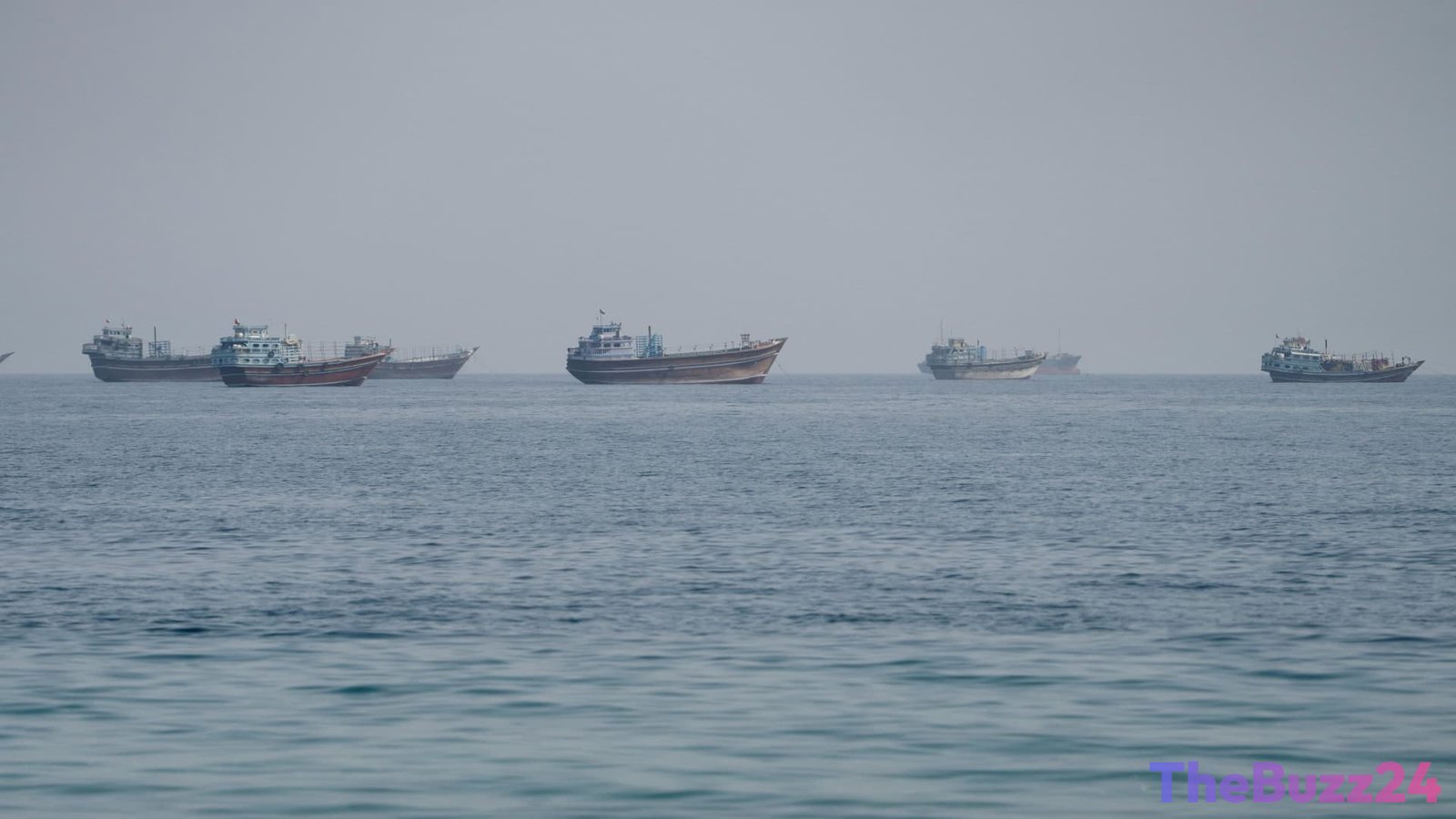
Meanwhile, friction between Washington and Tehran continues to mount. Iran’s military claimed to have downed an advanced American drone over the Strait of Hormuz. In response, U.S. Central Command (CENTCOM) refuted claims made by Iran’s Islamic Revolutionary Guard Corps regarding the Panama-flagged tanker El Gaia. While Iran claimed the vessel struck a naval mine, CENTCOM asserted the tanker was actually disabled by an Iranian missile strike last month, accusing Tehran of using disinformation to impede commercial shipping. Former U.S. President Donald Trump also indicated that the U.S. could sustain its pressure campaign against Iran, including taking control of its oil assets.
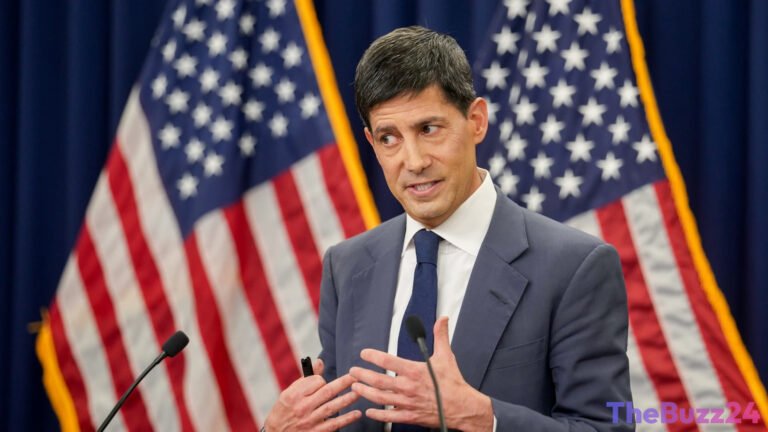
Financial experts warn that these disruptions could have far-reaching macroeconomic consequences. Komal Sri-Kumar, president of Sri-Kumar Global Strategies, noted that the combination of pipeline closures and ongoing trade disputes is highly inflationary. According to Sri-Kumar, these compounding factors are poised to drive up consumer prices and exert upward pressure on global bond yields, signaling broader economic challenges ahead.
Key Takeaways
- Brent and WTI crude prices rose by over 1.2% due to escalating Middle East conflicts and supply anxieties.
- Saudi Arabia closed its critical East-West pipeline following drone attacks, further tightening global oil supplies.
- U.S. Central Command disputed Iranian narratives surrounding shipping incidents, highlighting ongoing military friction in the Strait of Hormuz.
Editor’s Analysis & Impact
The sudden closure of Saudi Arabia’s East-West pipeline highlights the extreme vulnerability of global energy infrastructure to asymmetric warfare, such as drone and missile strikes. By bypassing the Strait of Hormuz, this pipeline was supposed to be a safe alternative; its disruption leaves energy markets highly exposed. With global oil supplies already tight, these geopolitical shocks are likely to keep crude prices elevated above the $100-per-barrel mark for the foreseeable future. Furthermore, the economic fallout extends beyond energy. As noted by market analysts, rising oil prices act as a regressive tax on global consumers, accelerating inflationary pressures. When combined with ongoing international tariff disputes, these energy shocks could force central banks to maintain higher interest rates, potentially slowing global economic growth and triggering volatility in the bond markets.
Frequently Asked Questions
Q: Why did Saudi Arabia close its East-West pipeline?
A: The pipeline was shut down after sustaining damage from drone attacks launched from Iraq, exacerbating existing global oil supply constraints.
Q: How did oil prices react to the recent Middle East tensions?
A: Oil prices extended their gains, with Brent crude rising 1.25% to $107.00 a barrel and U.S. West Texas Intermediate (WTI) advancing 1.27% to $102.68 a barrel.
Q: What is the dispute between the U.S. and Iran regarding the tanker El Gaia?
A: Iran's Islamic Revolutionary Guard Corps claimed the Panama-flagged tanker struck a naval mine, but U.S. Central Command disputed this, stating the vessel was actually disabled by an Iranian missile.
AI Disclosure: This article is based on verified data and official reports. Our Team and AI have cross-referenced every financial detail with primary sources to ensure total accuracy.
More from this Category