Federal Reserve’s Imminent Rate Hike: A Paradoxical Boost for Equities?
Financial markets are bracing for an anticipated interest rate hike from the Federal Reserve this week, with a significant 90% probability priced in for the federal funds rate to increase from 3.75% to 4.00%. This expectation follows Chairman Kevin Warsh’s firm stance against inflation articulated at Jackson Hole last month, compounded by a series of robust inflation reports and a surge in oil prices. Further rate increases are also being factored in for October and December.
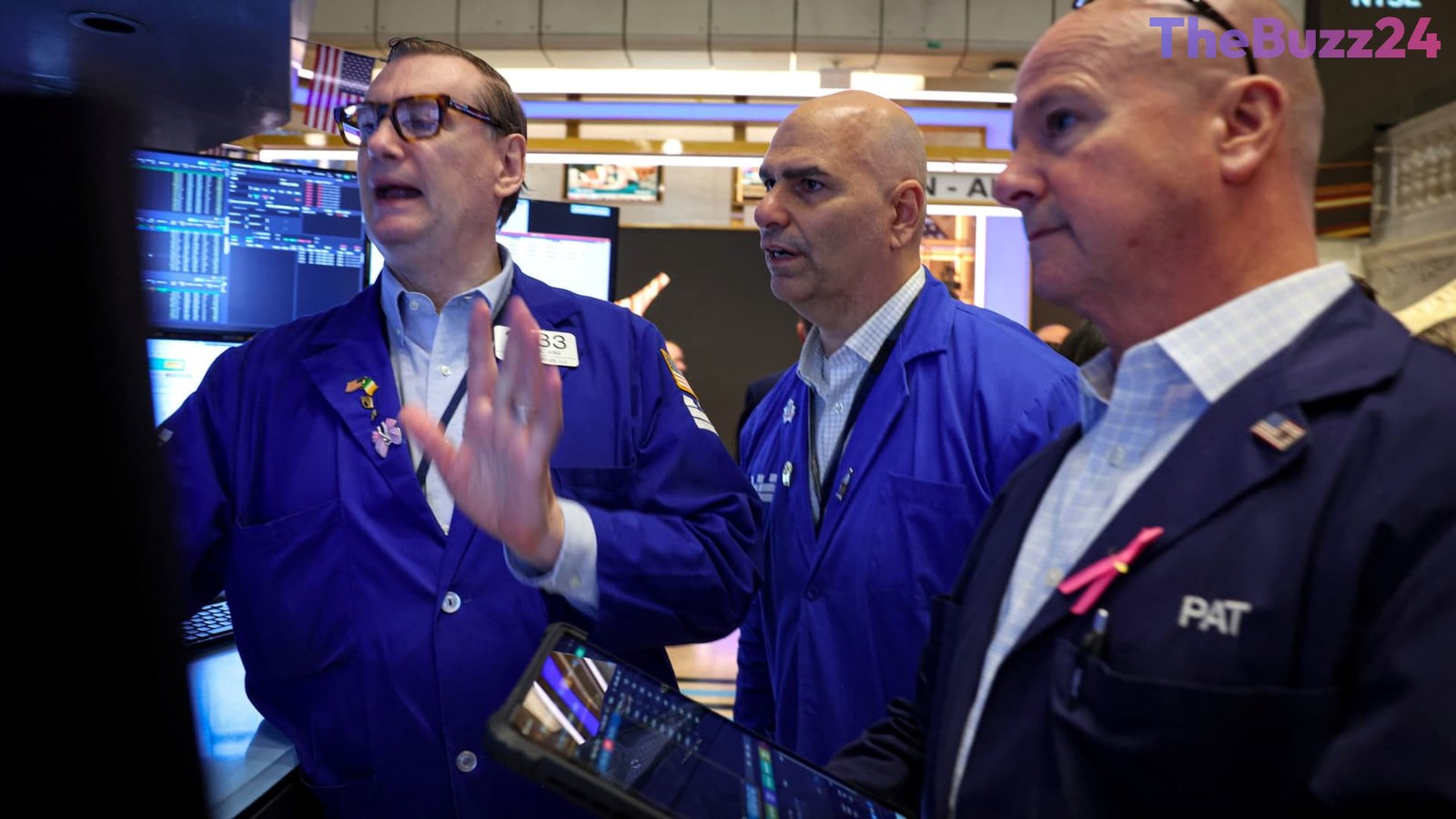
What makes this impending decision particularly noteworthy is the potential for an unconventional reaction from the stock market. Historically, higher interest rates tend to depress equity values by increasing borrowing costs and diminishing the present value of future earnings. However, current market sentiment suggests that major stock averages could potentially see an uptick in this scenario. This unusual dynamic stems from traders shifting their focus towards the escalating inflation concerns and the upward pressure it exerts on longer-dated Treasury yields, hoping a Fed hike will stabilize these pressures.
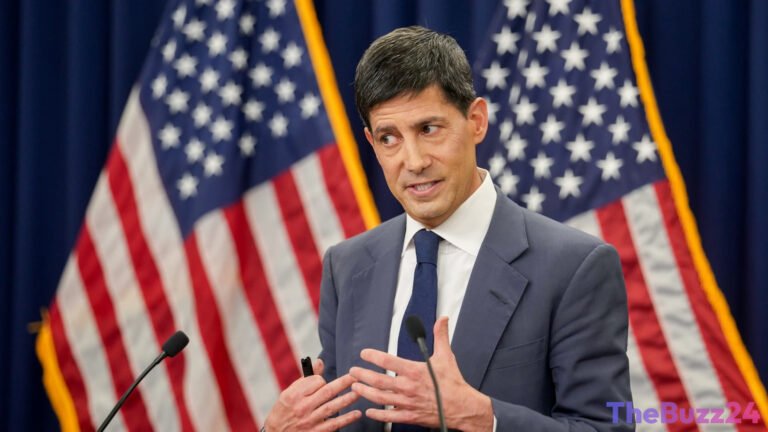
The precise market response will likely hinge on the tone adopted by Chairman Warsh during his post-decision press conference. Should he reiterate a hawkish commitment to combating inflation, similar to his August remarks, it could bolster the central bank’s credibility and potentially lead to a rise in 2-year Treasury yields while longer-term 30-year rates might see a decline. Conversely, a more dovish presentation, implying reluctance or limited future hikes, could sow confusion among investors, potentially driving longer-dated bond yields higher. Analysts emphasize that the Fed faces a critical choice: hike rates as expected or risk a sharp and disorderly movement in the U.S. Treasury market’s long end.
While historical data indicates that the commencement of a new rate-hiking cycle often precedes an immediate downturn in the S&P 500, with an average drop of 3.4% in the month following the initial hike, the current situation presents a nuanced outlook. If the Federal Reserve successfully restores confidence in its resolve to tame inflation, it could alleviate pressure on the bond market, subsequently offering support to equities. Some market strategists suggest that a significant portion of bond yield normalization may already be behind us, potentially paving the way for further upside in stock markets through the end of the year.
Key Takeaways
- The Federal Reserve is widely expected to raise interest rates this week, with a 90% market probability.
- Despite historical trends, the stock market might unusually rise following the hike, as investors prioritize inflation control and bond market stability.
- The Fed Chair's communication tone will be crucial, influencing bond yields and overall market confidence.
Editor’s Analysis & Impact
The Federal Reserve’s upcoming rate decision represents a pivotal moment for financial markets, balancing the immediate impact of higher borrowing costs against the long-term imperative of inflation control. The unusual market expectation of a potential equity rally post-hike underscores a significant shift in investor psychology, where confidence in the Fed’s anti-inflationary resolve is now seen as a greater positive than the direct cost of capital. This delicate equilibrium highlights the central bank’s communication challenge; a clear, hawkish stance could stabilize bond markets and reassure investors, while any perceived hesitation might trigger volatility. The broader implication is that market participants are increasingly viewing inflation as the primary risk, suggesting that aggressive monetary policy, if credible, could paradoxically be welcomed as a path to future stability, potentially setting the stage for a more predictable economic environment in the latter half of the year.
Frequently Asked Questions
Q: Why might the stock market rise even with a Fed rate hike?
A: This unusual reaction is driven by investors' desire for the Federal Reserve to effectively combat inflation. If a rate hike is seen as a credible step towards taming rising prices and stabilizing long-term bond yields, it could be perceived as a positive for future economic stability, outweighing the immediate negative impact of higher borrowing costs.
Q: What role does the Fed Chair's communication play in market reaction?
A: The tone of Chairman Kevin Warsh's press conference is critical. A hawkish stance, emphasizing a strong commitment to fighting inflation, could boost market confidence and lead to different reactions in short-term versus long-term bond yields. Conversely, a dovish tone, suggesting reluctance or limited future hikes, might confuse investors and potentially destabilize bond markets.
Q: How do rising bond yields typically affect stocks?
A: Generally, rising bond yields, particularly on longer-dated Treasuries, can make bonds more attractive relative to stocks, drawing investment away from equities. Higher yields also increase borrowing costs for companies and consumers, which can negatively impact corporate earnings and economic growth, typically leading to a decline in stock prices.
AI Disclosure: This article is based on verified data and official reports. Our Team and AI have cross-referenced every financial detail with primary sources to ensure total accuracy.
More from this Category