Bank of America Signals Investment Banking Slowdown, Shares Dip
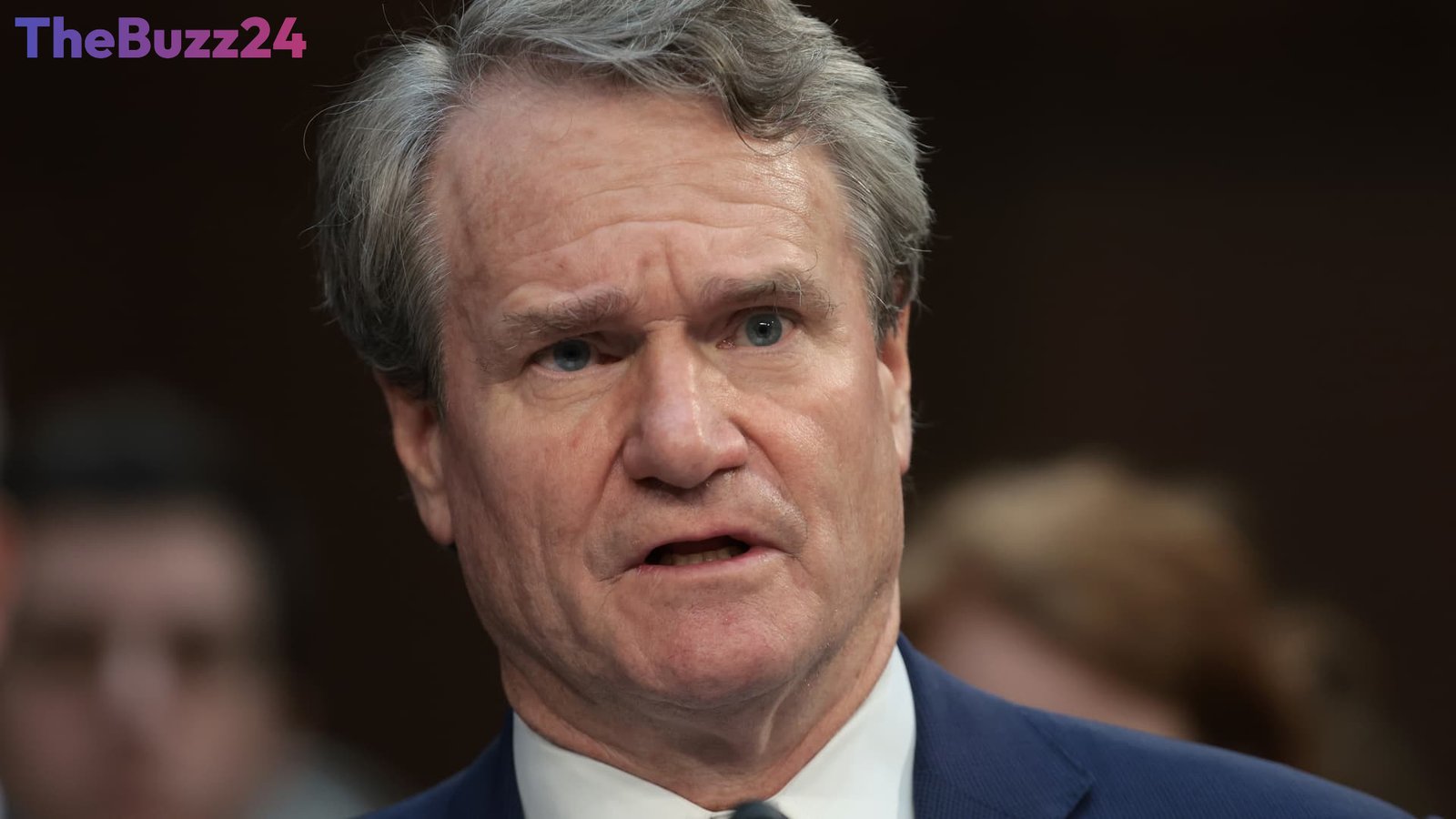
Bank of America anticipates a significant downturn in its investment banking fees for the third quarter, projecting a decline of over 10% compared to the same period last year. The bank’s chief executive, Brian Moynihan, also indicated that trading revenue is expected to remain relatively flat. This forecast follows a strong second quarter, where the institution experienced a substantial 50% surge in investment banking fees and a 33% increase in trading revenue.
The subdued outlook from one of the nation’s largest financial institutions could suggest that the recent surge in Wall Street’s advisory and trading sectors, potentially buoyed by advancements in artificial intelligence, may be encountering headwinds. Moynihan attributed the expected dip in investment banking to a general market contraction, citing data that suggests the overall market for these services has decreased by approximately 10%. He noted that Bank of America’s specific positioning within certain high-activity business areas might lead to a slightly larger decline for the bank.
Despite the projected decrease, Moynihan highlighted a healthy pipeline of deals, particularly within the middle-market investment banking segment. However, the anticipated double-digit percentage drop in fees raises questions about the sustainability of the recent boom in capital markets activity across the industry. Competitors are also signaling a more moderate performance; Citigroup’s CFO indicated expectations for low-single-digit revenue growth in investment banking and mid-single-digit growth in trading for the third quarter, with potential for upward revision depending on the final weeks of the quarter.
Key Takeaways
- Bank of America expects investment banking fees to fall by more than 10% in Q3 year-over-year.
- Trading revenue is projected to be flat, a contrast to strong Q2 performance.
- The slowdown may indicate a broader market correction after a period of AI-fueled growth.
Editor’s Analysis & Impact
The projected decline in Bank of America’s investment banking fees and flat trading revenue signals a potential cooling-off period for Wall Street’s financial services sector. Following a period of robust growth, this moderation could indicate a return to more normalized market conditions or a reaction to broader economic uncertainties. The impact on the broader financial industry will depend on whether this trend is isolated to specific banks or reflects a sector-wide shift. Investors will be closely watching other major banks’ earnings reports for confirmation and assessing the long-term implications for deal-making and trading volumes.
Frequently Asked Questions
Q: What are investment banking fees?
A: Investment banking fees are charges levied by investment banks for services such as underwriting new debt and equity securities, mergers and acquisitions advisory, and restructuring advice.
Q: Why is trading revenue important for banks?
A: Trading revenue is generated from a bank's activities in buying and selling financial instruments like stocks, bonds, currencies, and commodities on behalf of clients or for its own account. It's a key indicator of market activity and a bank's ability to profit from market volatility.
Q: What is the significance of a 'deal pipeline'?
A: A 'deal pipeline' refers to the list of potential transactions (like mergers, acquisitions, or IPOs) that an investment bank is actively working on or expects to close in the future. A strong pipeline suggests future revenue potential.
AI Disclosure: This article is based on verified data and official reports. Our Team and AI have cross-referenced every financial detail with primary sources to ensure total accuracy.
More from this Category