Trump Administration Repeals Landmark Power Plant Carbon Emission Rules
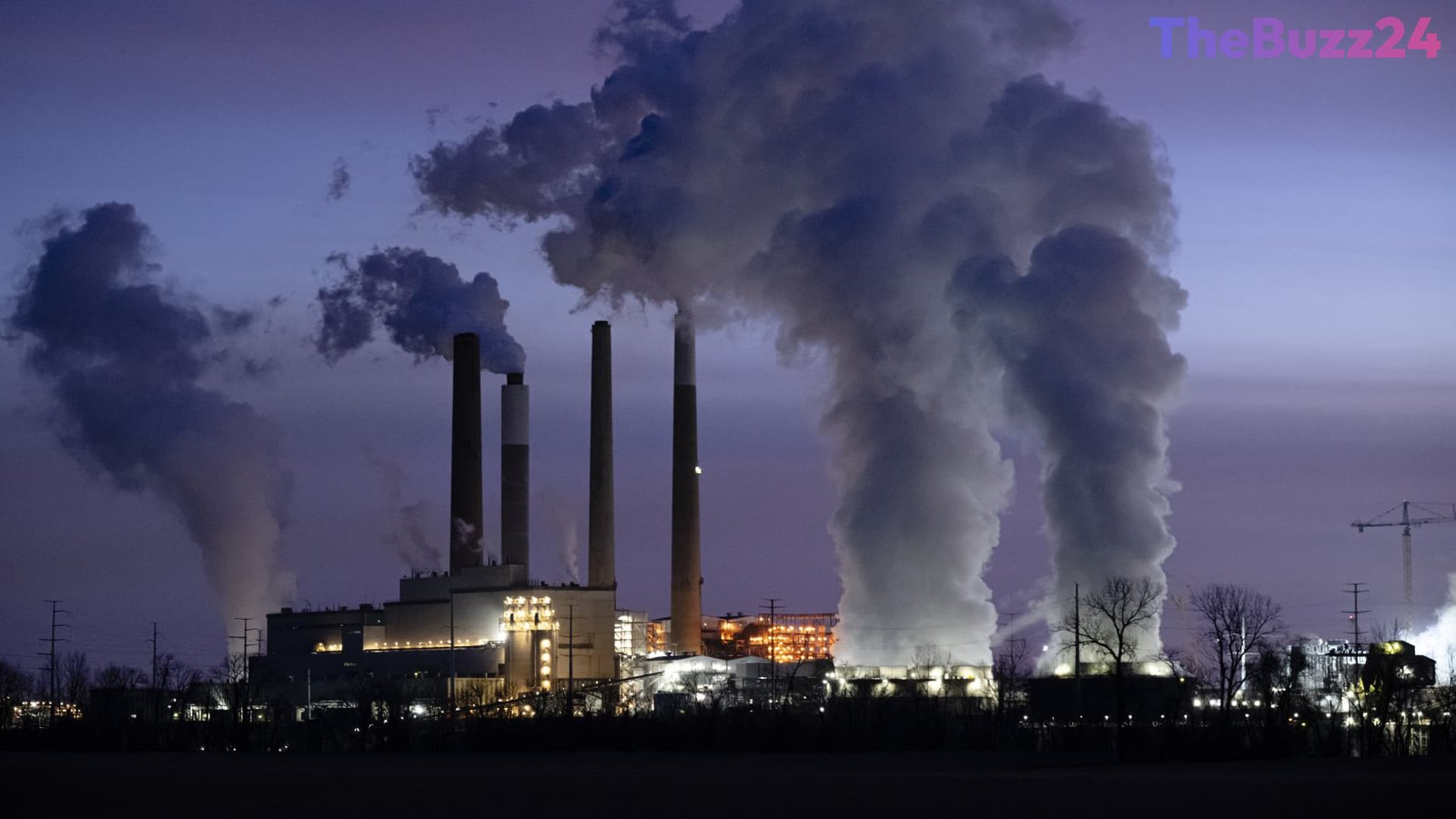
The federal government has officially dismantled key environmental mandates set during the previous administration, rolling back requirements that forced fossil-fuel power plants to capture the vast majority of their carbon dioxide emissions. The Environmental Protection Agency announced the immediate repeal of regulations that mandated existing coal-fired facilities and newly constructed natural gas plants control 90% of their greenhouse gas output.
In tandem with the repeal, officials introduced a comprehensive proposal aimed at eliminating all remaining federal greenhouse gas rules governing the power sector. According to environmental data, power generation stands as the second-largest contributor to domestic planet-warming emissions, trailing only the transportation sector. The administration’s new legal framework argues that the Clean Air Act does not grant the federal government the statutory authority to regulate carbon emissions specifically for the purpose of combating global climate change.
Administration officials emphasized that the sweeping policy shift is designed to lower energy costs and ensure grid reliability for consumers facing rising utility bills. The timing aligns with ongoing discussions among top energy and environmental officials gathering in Houston for international dialogues. Meanwhile, broader energy strategies continue to pivot away from renewable energy initiatives like wind and solar, favoring the expansion of domestic coal, natural gas, and crude oil production.
Key Takeaways
- The EPA has officially repealed Biden-era rules requiring coal and new natural gas plants to capture 90% of their carbon dioxide emissions.
- A new proposal has been introduced to eliminate all remaining federal greenhouse gas regulations for the power sector.
- Administration officials argue the Clean Air Act does not give the federal government authority to regulate emissions for climate change.
Editor’s Analysis & Impact
The rollback of power plant emission standards marks a dramatic shift in U.S. environmental and energy policy, signaling a strong regulatory tailwind for traditional fossil fuel industries such as coal and natural gas. By removing federal carbon capture mandates and challenging the statutory interpretation of the Clean Air Act, the administration aims to lower compliance costs and stabilize electricity pricing in the short term. However, this policy pivot introduces significant long-term regulatory uncertainty for energy producers and utility companies that have already invested billions in green technology and decarbonization infrastructure. Furthermore, it sets the stage for protracted legal battles between fossil-fuel-reliant states, environmental coalitions, and the federal government, ultimately reshaping the trajectory of the American energy landscape for years to come.
Frequently Asked Questions
Q: What specific rules were repealed by the EPA?
A: The EPA repealed regulations that required existing coal plants and new natural gas plants to control 90% of their carbon dioxide emissions.
Q: Why is the administration eliminating these regulations?
A: Officials state the move is intended to reduce electricity prices for consumers, boost traditional energy industries like coal and gas, and challenge the federal government's authority to regulate greenhouse gases under the Clean Air Act.
Q: How do power plants rank in U.S. greenhouse gas emissions?
A: Power plants represent the second-largest source of planet-warming emissions in the United States, just behind the transportation sector.
AI Disclosure: This article is based on verified data and official reports. Our Team and AI have cross-referenced every financial detail with primary sources to ensure total accuracy.
More from this Category