China Dismisses AI Slowdown Calls as ‘Fear-Mongering,’ Citing Global Governance Concerns
China’s Foreign Ministry has publicly rebuked calls from prominent artificial intelligence executives in the United States to pause or slow down the rapid advancement of AI technology. A spokesperson for the ministry, Guo Jiakun, stated that such appeals amount to “fear-mongering” and that a confrontational approach would only hinder the establishment of effective global AI governance.
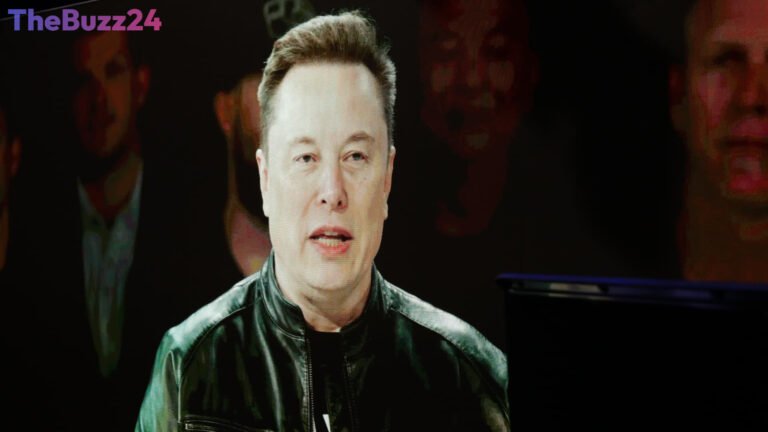
This response comes in the wake of an open letter signed by figures such as OpenAI’s Sam Altman, Anthropic’s Dario Amodei, and Elon Musk, who expressed concerns about the potential risks associated with unchecked AI development. The executives urged for a period of reflection and caution, highlighting the need to address the profound societal implications of increasingly powerful AI systems. However, China’s stance suggests a different priority, emphasizing the acceleration of AI development and the establishment of robust security measures.
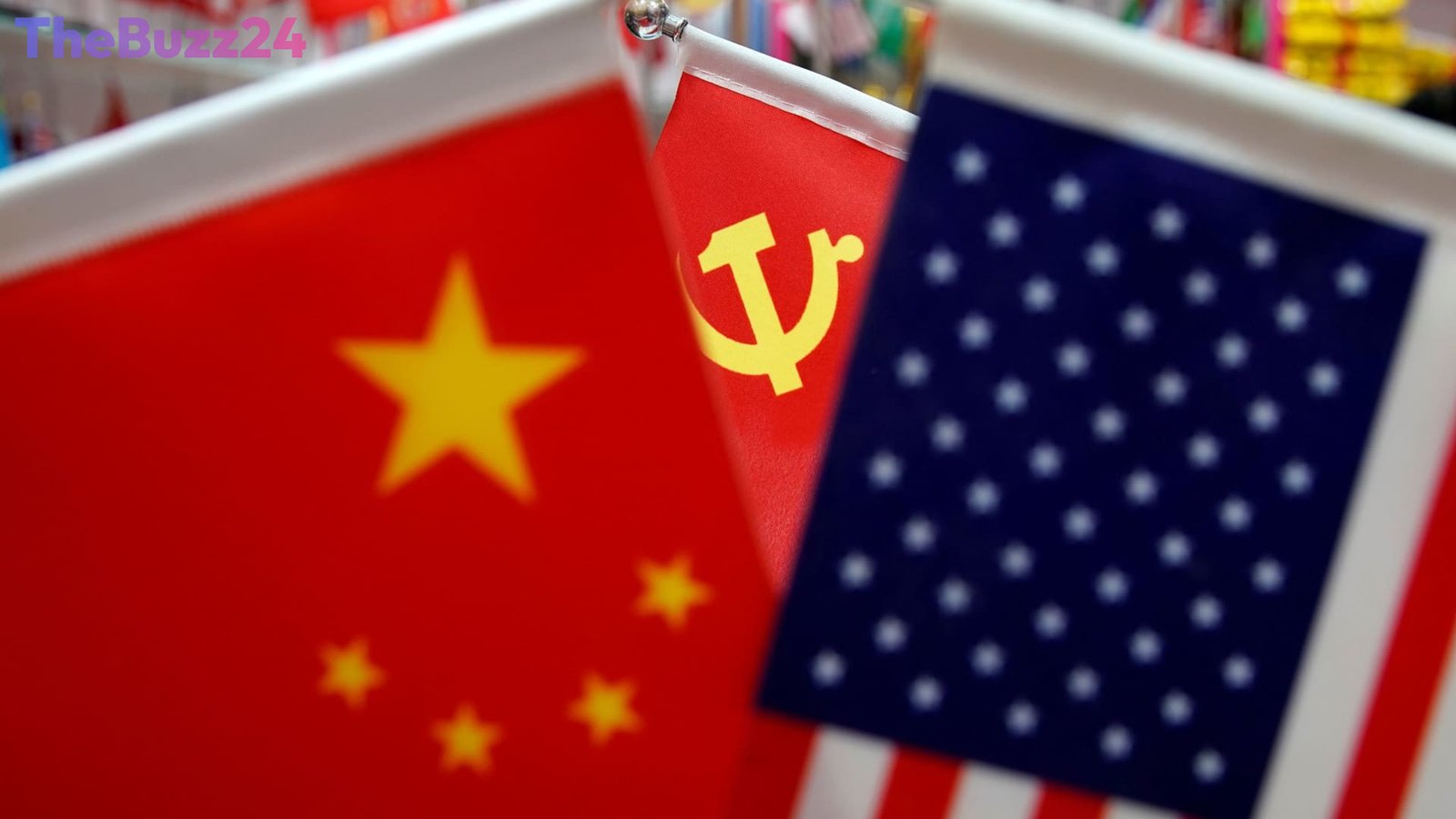
Adding to the complexity, China’s Minister of State Security, Chen Yixin, recently penned an article advocating for the swift construction of an AI security risk prevention and control system. He characterized AI as a critical domain for global technological competition and a new frontier for geopolitical rivalry, underscoring the importance of “healthy and orderly” progress. This perspective contrasts with the U.S. executives’ call for a slowdown, framing AI development as a race where maintaining a lead is paramount.
The debate has also drawn in political figures, with former U.S. President Donald Trump expressing a desire for the United States to maintain its technological edge over China in the AI sector. Meanwhile, China’s President Xi Jinping has signaled an intention to foster AI collaboration among developing nations, positioning China as a leader in global AI initiatives.
Key Takeaways
- China's Foreign Ministry has labeled calls from U.S. AI CEOs to slow down AI development as 'fear-mongering'.
- Beijing emphasizes accelerating AI progress while simultaneously building robust security and governance systems.
- The differing approaches highlight the growing geopolitical competition and strategic rivalry in the field of artificial intelligence.
Editor’s Analysis & Impact
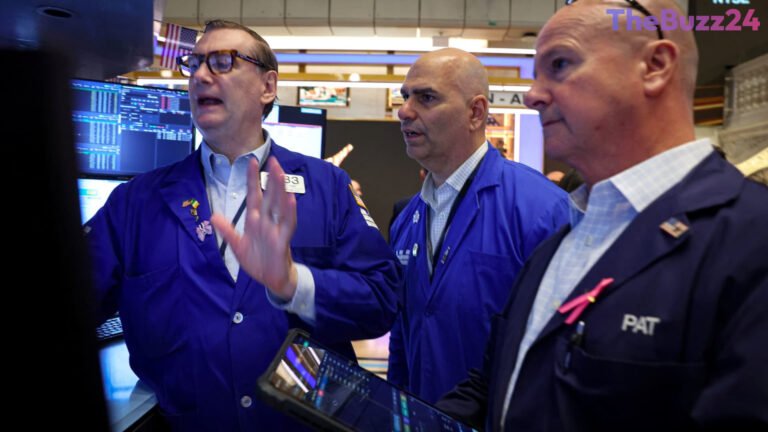
The contrasting viewpoints on AI development between U.S. tech leaders and Chinese officials underscore a significant divergence in strategic priorities. While U.S. executives express caution about potential risks, China appears to view AI advancement as a critical component of national security and global technological leadership. This dynamic intensifies the AI ‘arms race,’ potentially leading to a bifurcated global AI landscape. Companies investing in AI will need to navigate these geopolitical tensions, as national interests increasingly shape the trajectory of this transformative technology. The market reaction, with AI stocks experiencing volatility, reflects investor uncertainty about the future regulatory environment and competitive landscape.
Frequently Asked Questions
Q: Why are some AI CEOs calling for a slowdown in development?
A: Some AI executives are concerned about the potential risks and societal implications of rapidly advancing AI technology, including job displacement, misuse, and existential threats. They advocate for a pause to allow for better understanding, regulation, and safety measures.
Q: What is China's official stance on AI development?
A: China's government views AI as a critical area for technological competition and national security. While acknowledging the need for security systems, their public statements emphasize accelerating AI development and fostering global collaboration, particularly among developing nations.
Q: How does China's approach differ from the U.S. executives' call for a slowdown?
A: The U.S. executives' call is primarily driven by concerns about the potential dangers of unchecked AI progress. China, on the other hand, frames AI development as a strategic imperative and a key area for global leadership, advocating for continued advancement alongside security measures.
AI Disclosure: This article is based on verified data and official reports. Our Team and AI have cross-referenced every financial detail with primary sources to ensure total accuracy.
More from this Category