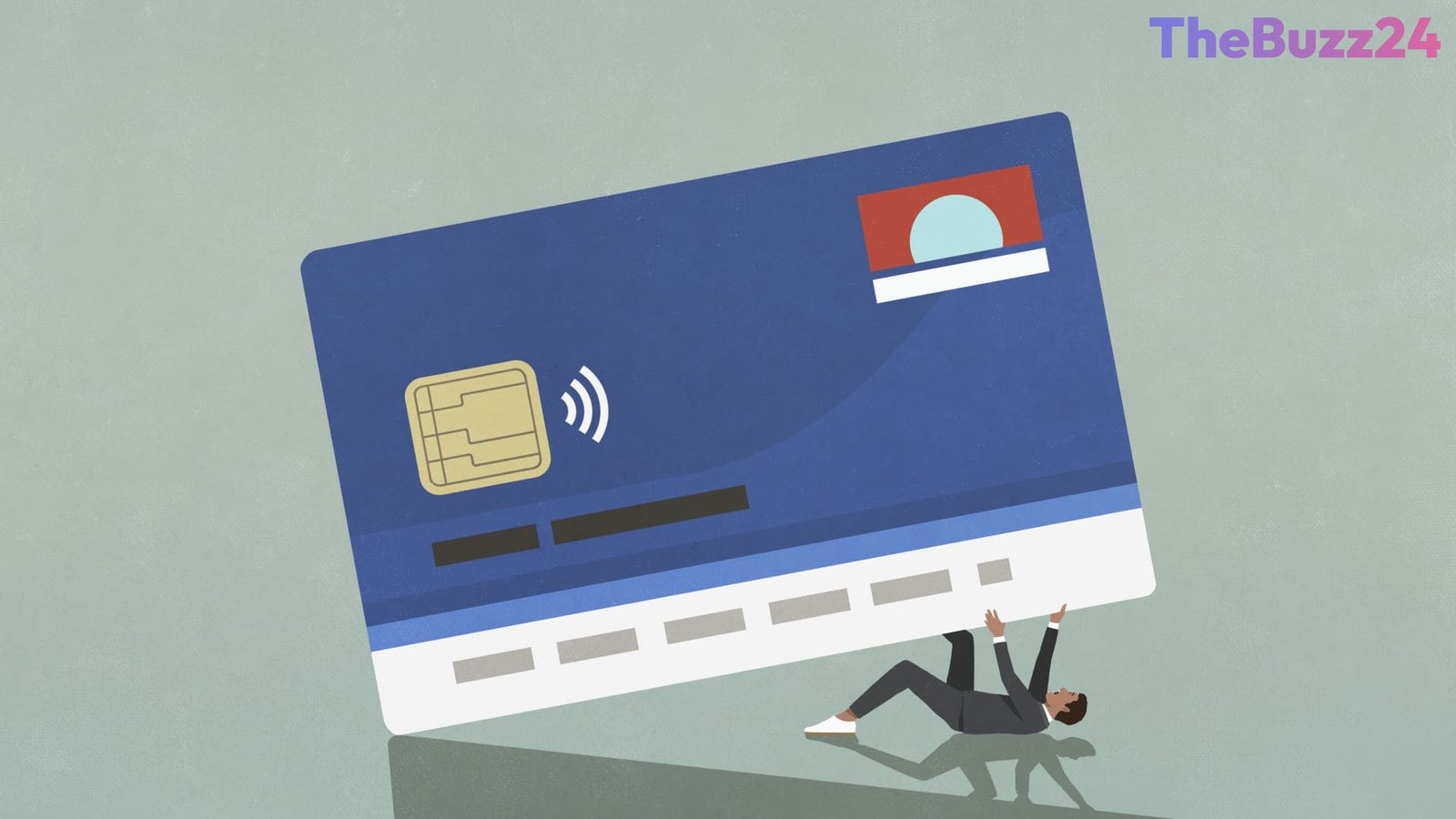
Smart Strategies to Avoid Credit Card Debt and Manage Your Money Effectively
Navigating modern personal finance requires a careful balance between spending flexibility and debt avoidance. Because traditional credit cards are notorious for high interest rates, many consumers look for alternative methods to fund daily purchases without risking a spiraling balance. Building a disciplined financial strategy starts with creating a comprehensive budget to ensure every dollar has a designated purpose.
Budgeting tools, such as zero-based budgeting apps, help consumers track their funds meticulously. By assigning incoming money to specific categories like bills, savings, and investments, individuals gain a clear awareness of their actual spending power. This proactive approach prevents accidental overspending and helps prepare for unexpected expenses like car repairs or annual insurance premiums.
For those who want to bypass the temptation of revolving credit entirely, debit cards and high-yield cash accounts offer viable alternatives. Debit cards immediately deduct funds from a checking account, aligning purchases directly with available cash flow. Additionally, certain high-yield accounts offer competitive annual percentage yields alongside debit access, allowing consumers to earn interest while covering everyday expenses without accumulating debt.
Another option gaining traction is the secured credit card, which requires a refundable security deposit that typically dictates the card’s limit. Certain modern financial platforms offer secured cards with unique features, such as automated payments from the deposit account or zero-interest structures. While these tools still require responsible management, they provide a structured pathway for consumers seeking to build or maintain credit health without the danger of runaway interest charges.
Key Takeaways
- Establishing a structured budget is the foundation of preventing unwanted credit card debt.
- Using debit cards or high-yield cash accounts ensures that purchases are deducted immediately from available funds.
- Secured credit cards provide a controlled environment for spending by tying credit limits directly to a security deposit.
Editor’s Analysis & Impact
The consumer finance landscape is rapidly evolving as fintech platforms introduce alternatives to traditional revolving debt. With rising interest rates and economic uncertainty, consumers are increasingly seeking out budgeting apps, high-yield accounts, and secured financial products that promote spending discipline. This shift highlights a broader market movement toward transparency and preventative financial health. As digital banking features expand, traditional credit card models face pressure to innovate with better consumer protections and rewards that encourage responsible usage rather than long-term borrowing.
Frequently Asked Questions
Q: What is the primary benefit of using a debit card instead of a credit card?
A: Debit cards immediately deduct money from your bank account, which prevents you from spending funds you do not currently have and helps you avoid accumulating high-interest credit card debt.
Q: How do secured credit cards work?
A: Secured credit cards require a refundable security deposit that typically serves as your credit limit. They allow you to make purchases and build credit history, while some modern versions automatically pay statement balances from the secured deposit.
Q: Why is zero-based budgeting effective for managing debt?
A: Zero-based budgeting requires you to assign every dollar of your income to a specific category or expense before you spend it, giving you complete visibility into your available funds and preventing accidental overspending.
AI Disclosure: This article is based on verified data and official reports. Our Team and AI have cross-referenced every financial detail with primary sources to ensure total accuracy.
More from this Category