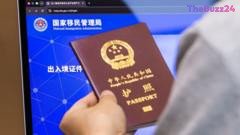
Beijing Implements Stricter Travel Controls and Up to Three-Year Exit Bans
New regulatory measures governing international travel have officially taken effect in China, introducing severe restrictions that allow authorities to bar citizens from leaving the country for up to three years. The policy specifically targets individuals accused of compromising national security or interests while abroad, alongside those who breach technology import and export regulations that could threaten industrial or technological safety.
While state officials maintain that the regulations are designed to safeguard national sovereignty, combat illegal cross-border gambling, and deter travel to high-risk areas rather than restrict everyday citizens, legal experts and critics argue otherwise. Analysts point out that the framework provides Beijing with an expanded legal instrument to exert pressure on activists, dissenters, and critics operating outside the nation’s borders, effectively curtailing overseas advocacy and free speech.
Data indicates a substantial surge in the utilization of exit bans over the past decade, with court databases reflecting a dramatic increase in restricted movement across civil cases. Furthermore, ordinary citizens and state-sector employees frequently report encountering opaque travel barriers, ranging from unwritten passport denials to mandatory passport surrenders for government and financial institution workers. These developments have raised concerns among legal scholars regarding a return to tighter ideological controls reminiscent of earlier historical eras.
Key Takeaways
- New regulations allow China to ban citizens from leaving the country for up to three years for national security or tech-export violations.
- Authorities state the measures target high-risk destinations and illegal activities like overseas gambling, while critics argue they suppress foreign dissent.
- Data reveals a massive spike in exit bans and travel restrictions enforced across civil cases and state-owned enterprises in recent years.
Editor’s Analysis & Impact
The expansion of China’s exit ban framework and travel restrictions signals a profound inward turn regarding the country’s global mobility and national security apparatus. By legally formalizing preventative measures against technological breaches and overseas actions deemed harmful to state interests, Beijing is tightening its sovereign perimeter. For international businesses, expatriates, and diplomatic relations, this trend underscores a growing compliance and security risk, particularly for individuals operating in sensitive technical sectors or engaging in cross-border advocacy. The long-term outlook suggests a more isolated domestic populace where international engagement is heavily curated and monitored, potentially impacting global tourism, academic exchanges, and multinational corporate staffing strategies involving Chinese nationals.
Frequently Asked Questions
Q: What triggers a travel ban under the new regulations?
A: Citizens can be barred from leaving China for up to three years if they are deemed to have harmed national security or interests while overseas, or if they violate technology import and export regulations.
Q: How do Chinese citizens find out if they are restricted from leaving?
A: Generally, individuals only discover they are subject to exit controls when they attempt to apply for travel documents or try to depart the country, as proactive self-checking mechanisms are largely unavailable.
Q: Do these rules affect ordinary citizens?
A: While government platforms assert the rules do not restrict ordinary travelers and only target high-risk scenarios, critics and various citizens report facing murky, unwritten travel restrictions and passport denials.
AI Disclosure: This article is based on verified data and official reports. Our Team and AI have cross-referenced every financial detail with primary sources to ensure total accuracy.
More from this Category