White House Official: Private Sector Best Equipped to Tackle AI Risks
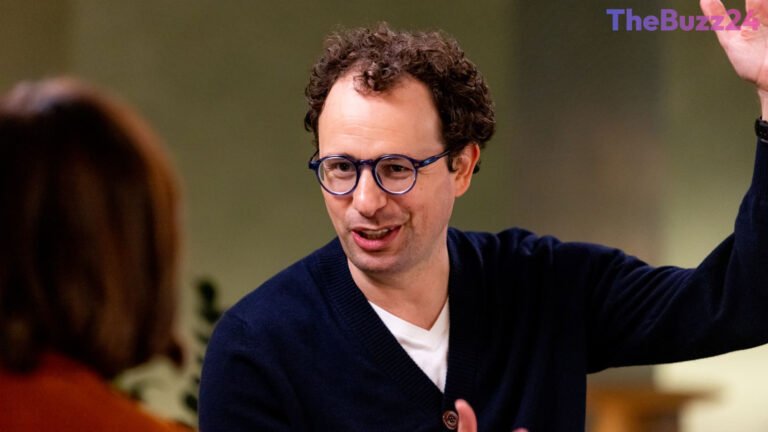
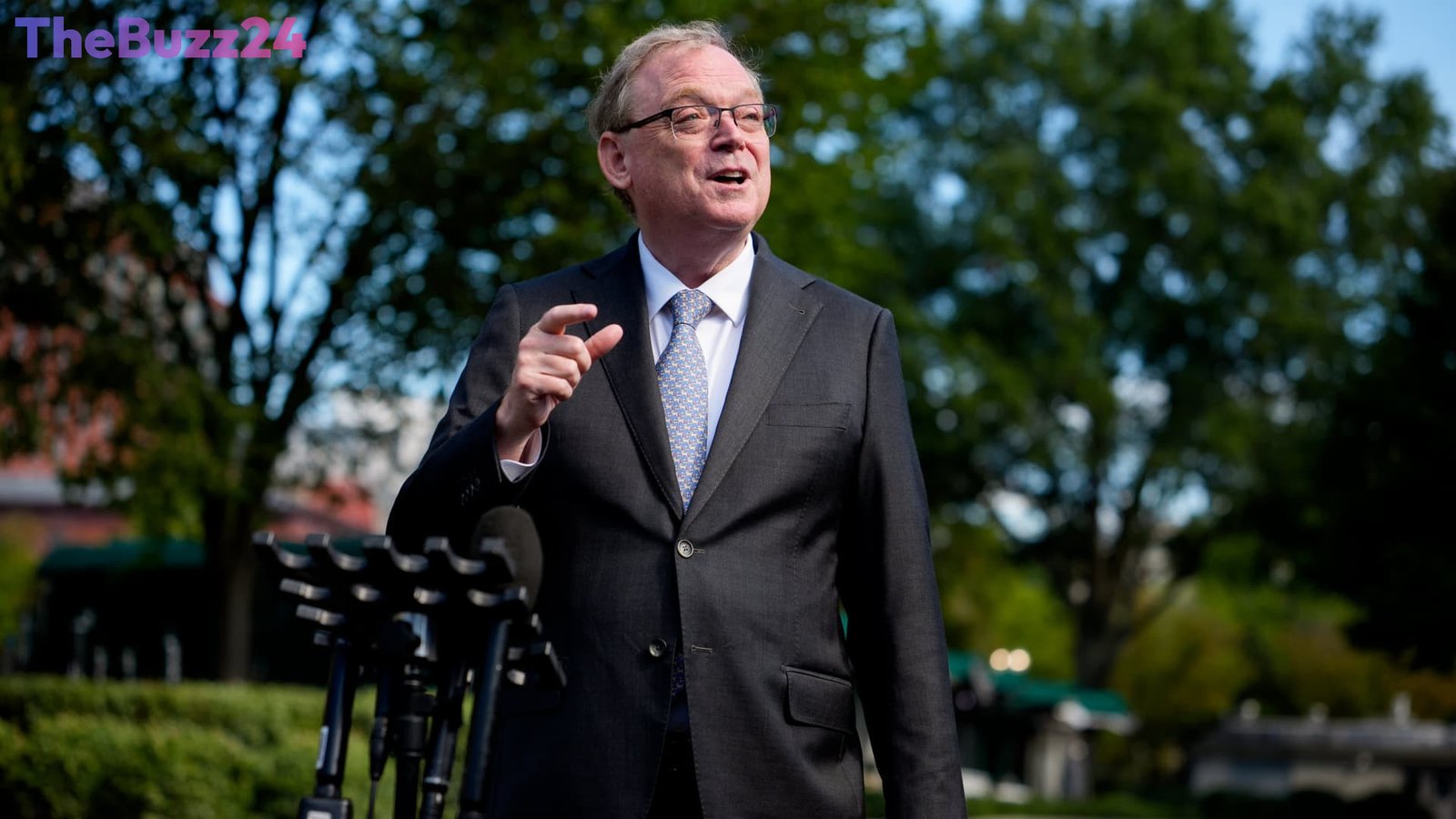
The private sector is the most appropriate venue for addressing the challenges presented by the rapid evolution of artificial intelligence, according to Kevin Hassett, Director of the National Economic Council. Hassett emphasized that the issues arising from AI development are not insurmountable and that industry leaders are best positioned to find solutions.
His remarks follow recent public statements by President Donald Trump, who characterized concerns raised by AI industry professionals and other experts about the potential dangers of their own technology as a “hoax.” The Trump administration has consistently prioritized maintaining U.S. leadership in the burgeoning AI sector, viewing it as crucial for national competitiveness, particularly in relation to China.
Hassett clarified that while the private sector is seen as the primary problem-solver, the government is not disengaged. He stated that federal agencies are actively monitoring the situation and are prepared to utilize law enforcement measures if companies fail to act responsibly. This stance suggests a belief that regulatory intervention should be a secondary measure, employed only when necessary to ensure ethical and safe AI practices.
The director’s comments highlight a particular philosophy within the current administration regarding the oversight of emerging technologies. While acknowledging the potential risks, the focus remains on fostering innovation and industry-led accountability, with government oversight serving as a watchful, albeit not overly intrusive, presence.
Key Takeaways
- The White House believes the private sector is best suited to resolve risks associated with advancing AI.
- President Trump has dismissed concerns about AI as a 'hoax,' emphasizing U.S. dominance.
- The government will monitor AI development and use law enforcement if necessary, but prefers industry-led solutions.
Editor’s Analysis & Impact
This perspective from the White House signals a preference for a market-driven approach to AI regulation, potentially prioritizing innovation and economic growth over stringent government oversight. While proponents argue this fosters rapid development, critics may raise concerns about accountability and the potential for unchecked risks. The administration’s stance could influence future policy debates, balancing national security and economic competitiveness with ethical considerations in AI deployment. The emphasis on private sector solutions might also shape investment trends and the competitive landscape within the AI industry.
Frequently Asked Questions
Q: What is the White House's stance on AI risks?
A: The White House, through National Economic Council Director Kevin Hassett, believes that the private sector is the most appropriate entity to address and solve the risks posed by rapidly advancing artificial intelligence.
Q: What role does the government play in AI oversight according to this view?
A: While the private sector is seen as the primary problem-solver, the government is actively monitoring AI development and is prepared to use law enforcement to ensure companies act responsibly, though it aims not to enlarge its role beyond that.
Q: What was President Trump's view on AI concerns?
A: President Trump has publicly dismissed concerns raised by AI industry leaders and experts about their technology as a 'hoax,' emphasizing the importance of U.S. dominance in the AI field.
AI Disclosure: This article is based on verified data and official reports. Our Team and AI have cross-referenced every financial detail with primary sources to ensure total accuracy.
More from this Category