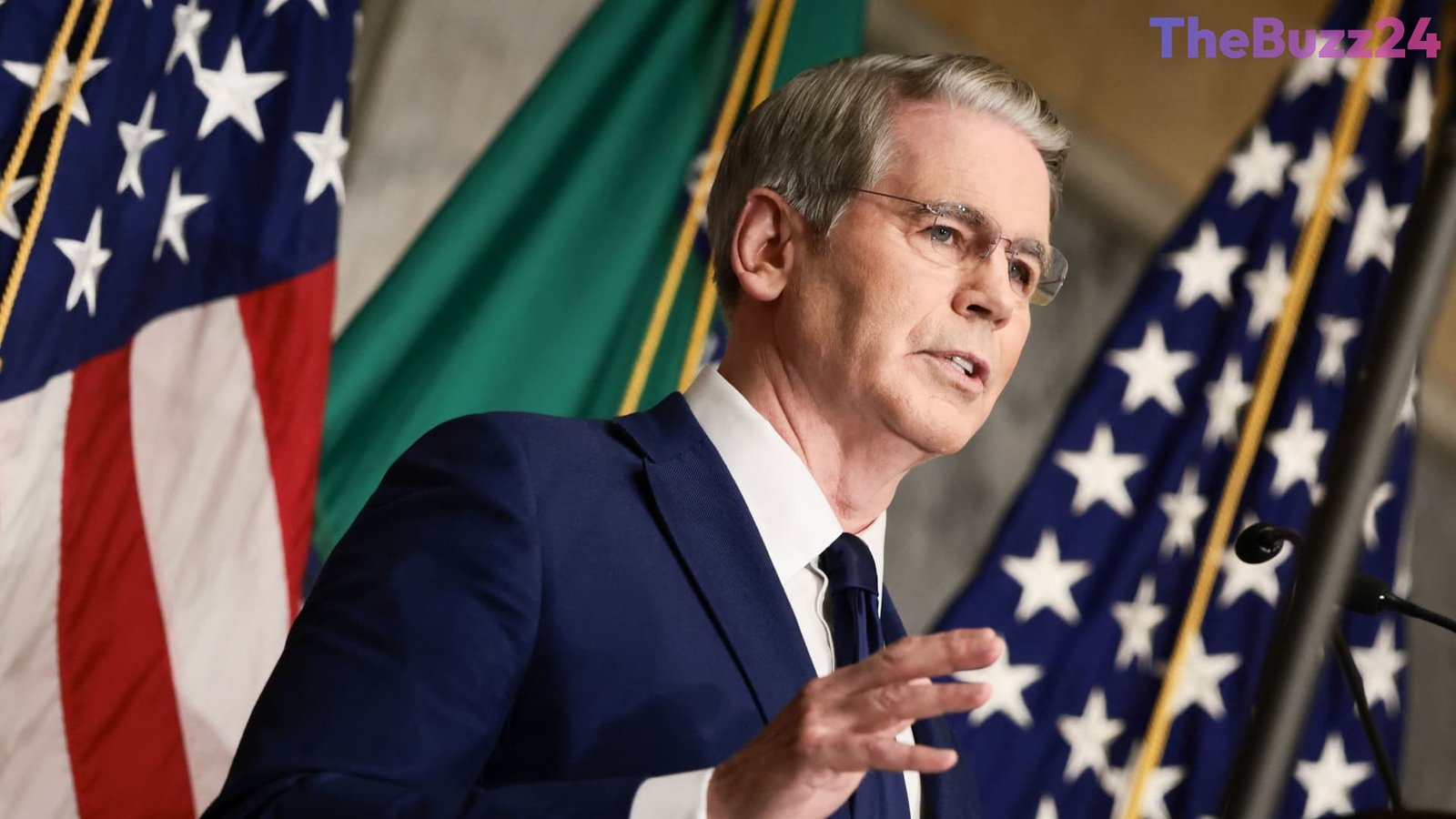
Treasury Secretary Scott Bessent Faces Congressional Scrutiny Over Inflation, Debt, and Energy Costs
Treasury Secretary Scott Bessent is set to appear before the House Financial Services Committee for his annual testimony regarding the international financial system and the International Monetary Fund. While the official agenda centers on global monetary stability and American oversight within the IMF, lawmakers are poised to press the Treasury chief on pressing domestic economic challenges, including surging energy costs, persistent inflation, and a national debt that has surpassed $40 trillion.
Ahead of the hearing, prepared remarks indicate that the administration plans to emphasize robust employment figures, low unemployment rates, and wage gains for lower-income earners as key indicators of economic health. Furthermore, the testimony will highlight the administration’s aggressive economic sanctions campaign against Iran, which officials credit with exerting maximum pressure on the regime. However, lawmakers from both sides of the aisle are expected to pivot toward mounting consumer pressures, particularly rising crude oil prices that have pushed gasoline averages well past historical norms.
Beyond energy markets, the questioning will likely touch upon monetary policy tensions involving the Federal Reserve. With inflation remaining above target levels, market participants are closely monitoring potential interest rate trajectories, even as the administration publicly advocates for lower borrowing costs. Additionally, the hearing will address the broader fiscal landscape, where ballooning federal debt and rising Treasury yields have contributed to higher costs for mortgages and consumer loans, setting the stage for a rigorous debate on national economic strategy.
Key Takeaways
- Treasury Secretary Scott Bessent's congressional testimony officially focuses on the IMF and international financial oversight.
- Lawmakers are expected to question Bessent heavily on rising energy prices, inflation, and a national debt exceeding $40 trillion.
- The administration plans to highlight low unemployment, strong job creation, and outsized wage growth for lower-income earners as economic successes.
Editor’s Analysis & Impact
The upcoming testimony of Treasury Secretary Scott Bessent highlights the delicate balancing act current economic policymakers face as they navigate geopolitical conflicts and domestic financial strain. While administration officials are eager to spotlight favorable labor market metrics and wage growth at the lower end of the income spectrum, structural headwinds—such as high oil prices, elevated mortgage rates, and a rapidly expanding national debt—pose significant political and economic risks. The intersection of fiscal policy, mounting borrowing costs, and potential friction with the Federal Reserve over interest rates will remain a critical focal point for market observers and investors assessing long-term U.S. economic resilience.
Frequently Asked Questions
Q: What is the primary formal focus of Treasury Secretary Scott Bessent's congressional testimony?
A: The testimony is formally centered on oversight of the international financial system and the International Monetary Fund (IMF).
Q: What domestic economic issues are lawmakers expected to press Bessent on during the hearing?
A: Lawmakers are expected to question him on rising oil and fuel prices, inflation, the national debt surpassing $40 trillion, and high mortgage rates.
Q: What positive economic indicators does the administration plan to emphasize?
A: The administration intends to highlight strong job creation, low unemployment at 4.1%, and faster wage growth for the bottom 25% of earners.
AI Disclosure: This article is based on verified data and official reports. Our Team and AI have cross-referenced every financial detail with primary sources to ensure total accuracy.
More from this Category