General Motors Revamps Digital Dashboards with Smartphone-Like Infotainment System
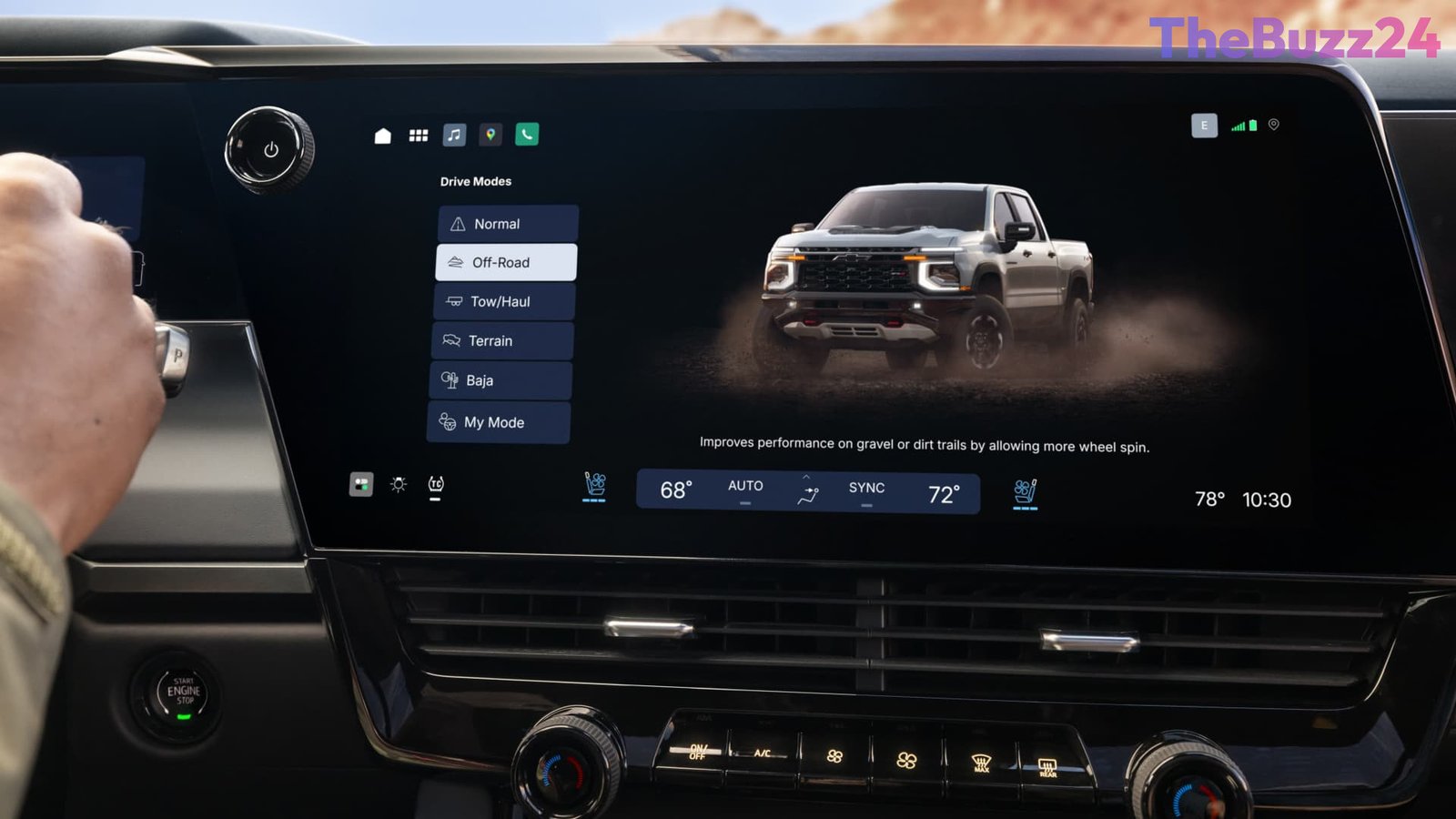
General Motors is rolling out a completely redesigned in-vehicle infotainment and software platform aimed at transforming the digital dashboard experience for drivers. The new system will debut later this year, launching first in the redesigned Chevrolet Silverado and GMC Sierra pickup trucks before eventually expanding across the automaker’s broader vehicle lineup over time.
The Detroit-based automotive giant has structured its digital experience operations under design rather than traditional software engineering, a strategic shift spearheaded by former Apple and Google executive Sebastian Bauer. This philosophy centers on minimizing driver distraction by reducing cognitive load and proactively displaying relevant controls precisely when needed, eliminating the hassle of digging through multiple menus to perform routine tasks like opening a garage door or managing calls.
Key updates include a major visual overhaul for GM’s Super Cruise advanced driver-assistance system, which now provides real-time visualizations of surrounding objects, such as nearby pedestrians and other vehicles, directly on the driver cluster screen. Furthermore, the updated platform rethinks how third-party tech integrates with the vehicle. Rather than allowing Apple CarPlay or Android Auto to completely monopolize the dashboard screen, the new interface enables these popular phone projection systems to run smoothly alongside native vehicle functions in a shared display environment, addressing long-standing industry complaints regarding connectivity and reliability.
Key Takeaways
- General Motors is launching a new infotainment software system starting with the redesigned Chevrolet Silverado and GMC Sierra pickup trucks.
- The revamped interface improves integration with Apple CarPlay and Android Auto by allowing them to share screen space with native vehicle controls.
- The update includes a significant visual upgrade for the Super Cruise driver-assistance system, displaying real-time surroundings on the driver cluster screen.
Editor’s Analysis & Impact
General Motors’ latest push into advanced in-vehicle software reflects a broader industry-wide realization that digital user experience is now a primary battleground for consumer loyalty. By restructuring its digital operations under design leadership with tech industry veterans, GM is attempting to solve historical pain points around infotainment reliability and driver distraction. The balanced approach to third-party smartphone integration—rather than locking out popular ecosystems like Apple CarPlay and Android Auto—demonstrates a pragmatic pivot toward consumer preference. If successful, this software overhaul could set a new benchmark for legacy automakers striving to match the digital fluidity traditionally associated with tech-first electric vehicle startups, ultimately reshaping expectations for the modern connected cockpit.
Frequently Asked Questions
Q: When will the new GM infotainment system be released?
A: The new system is scheduled to launch later this year, debuting in the redesigned Chevrolet Silverado and GMC Sierra pickup trucks.
Q: How does the new system handle Apple CarPlay and Android Auto?
A: Instead of allowing the phone projection systems to take over the entire screen, the new interface displays them alongside other native vehicle features so both systems can operate as needed.
Q: What improvements are coming to Super Cruise?
A: The update brings a major visual upgrade to Super Cruise, displaying surrounding objects like other vehicles and pedestrians directly on the driver cluster screen during hands-free driving.
AI Disclosure: This article is based on verified data and official reports. Our Team and AI have cross-referenced every financial detail with primary sources to ensure total accuracy.
More from this Category