The Road to 2030: Hybrid Surge, Trade Barriers, and Vulnerable Auto Brands
As the American automotive landscape navigates a period of rapid transformation, new industry projections highlight significant shifts in powertrain demand, regulatory pressures, and market consolidation. Analysts anticipate that gas-electric hybrids will experience a massive surge in popularity over the coming years, capturing approximately 34% of the market share by 2030. This growth is largely driven by mainstream consumer preference for fuel-efficient vehicles that eliminate the need for external charging, as evidenced by robust sales figures already recorded earlier this year.
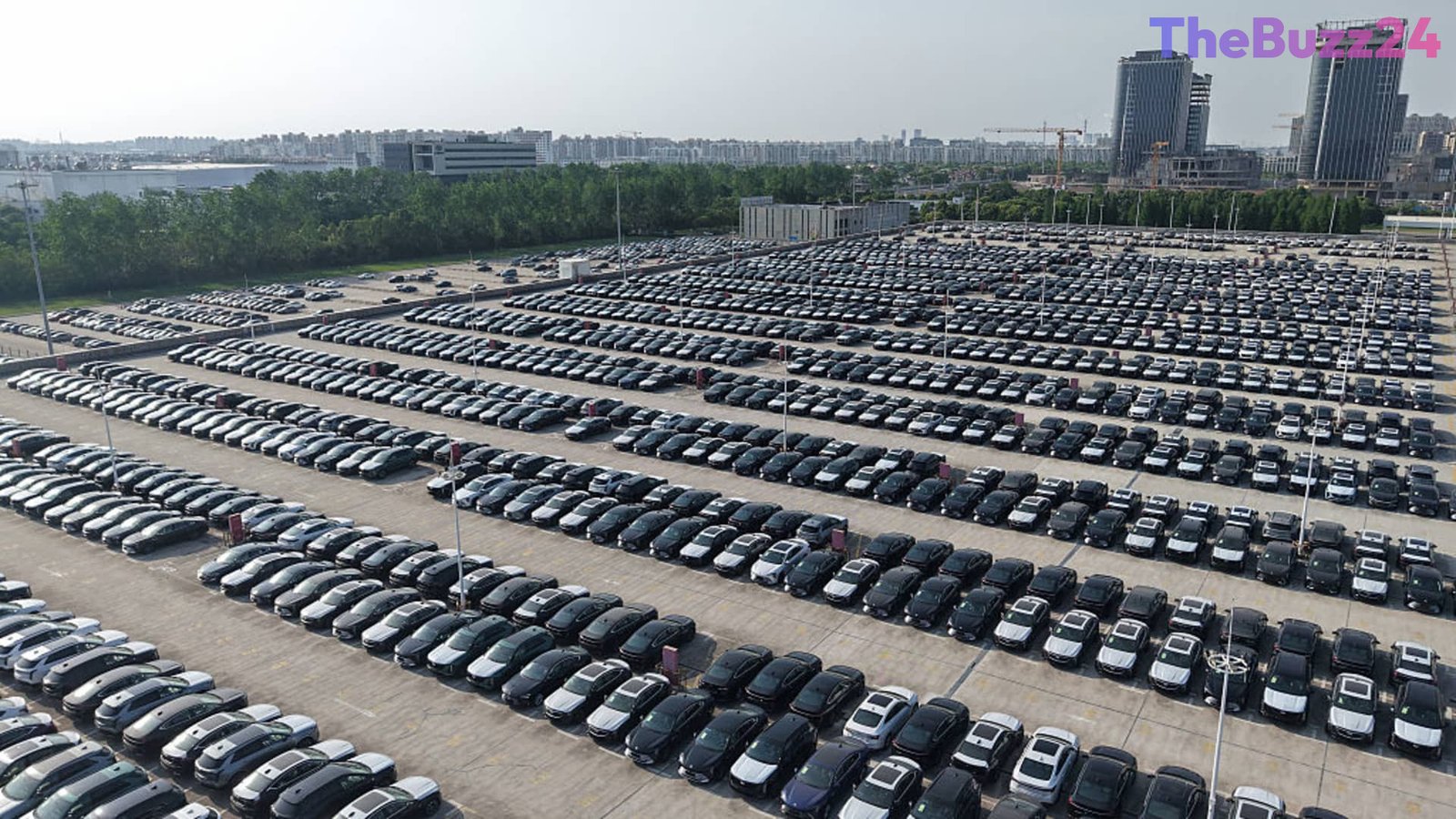
Simultaneously, the entry of Chinese automakers into the United States market faces formidable legislative and regulatory roadblocks. Current trade policies enforce a steep 100% tariff on vehicles imported from China, while upcoming Commerce Department regulations aim to prohibit automobiles utilizing software or hardware tied to Chinese technology. Industry experts note that U.S. lawmakers show minimal appetite to permit unfettered access for these foreign brands, prioritizing the protection of domestic manufacturing and local automakers from severe market disruption, despite some Chinese manufacturers expanding into neighboring Canada.
Amidst these macro-level changes, the domestic marketplace is bracing for significant brand contraction. With 38 distinct automotive brands currently operating in the U.S., intensifying global competition and shifting consumer demands could force between five and 10 of these nameplates to exit the market over the next decade. Specific brands identified as facing higher risk include Polestar, Maserati, Alfa Romeo, Jaguar, and Fiat. Furthermore, the industry is managing a temporary slowdown in new vehicle rollouts—frequently described as a challenging transitional phase—following earlier overinvestments in fully electric vehicle architectures that required substantial strategic adjustments.
Key Takeaways
- Gas-electric hybrids are projected to capture 34% of the U.S. auto market by 2030.
- Strict tariffs and impending Commerce Department regulations are expected to block Chinese automakers from entering the U.S. market.
- Intensifying competition and shifting market dynamics could cause between five and 10 auto brands to disappear from the U.S. over the next decade.
Editor’s Analysis & Impact
The projections for the 2030 U.S. auto market underscore a pragmatic pivot by both consumers and manufacturers. The aggressive push toward pure electric vehicles has hit speed bumps due to regulatory shifts and changing subsidy landscapes, leaving a lucrative opening for hybrids to bridge the gap. For traditional automakers, this means recalibrating supply chains and capital allocation to favor versatile powertrains rather than all-in EV strategies. Meanwhile, the effective blockade of Chinese automotive entrants highlights how geopolitical tensions and protectionist trade policies will continue to heavily dictate domestic market access. This environment creates a high-pressure landscape where weaker, lower-volume brands face existential threats, paving the way for a leaner, more consolidated American automotive sector over the next ten years.
Frequently Asked Questions
Q: Why are Chinese cars unlikely to enter the U.S. market by 2030?
A: Heavy 100% tariffs on Chinese-imported vehicles and upcoming Commerce Department bans on Chinese-developed automotive technology make market entry highly improbable.
Q: What market share are hybrids expected to reach by 2030?
A: Gas-electric hybrids are projected to account for 34% of the total U.S. auto market by 2030.
Q: Which auto brands are currently considered most at risk of leaving the U.S. market?
A: Analyst pipelines list Polestar, Maserati, Alfa Romeo, Jaguar, and Fiat as the brands facing the highest risk of elimination over the coming decade.
AI Disclosure: This article is based on verified data and official reports. Our Team and AI have cross-referenced every financial detail with primary sources to ensure total accuracy.
More from this Category