Satellite Imagery Confirms Severe Damage to Critical Saudi Oil Pipeline
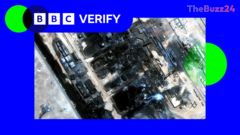
Satellite imagery has confirmed significant structural damage to a major Saudi Arabian oil pipeline following a recent strike. The East-West Pipeline, a vital artery for crude oil exports, was forced to shut down as a precautionary measure, triggering immediate volatility in global energy markets. Analysts suggest that the repair process could span four to six weeks, hampered by supply chain constraints and the specialized nature of the required components.
The pipeline has served as a strategic alternative for Saudi Arabia to bypass the Strait of Hormuz, a waterway frequently impacted by regional geopolitical tensions. The disruption is estimated to potentially reduce global oil supplies by approximately 3.6 million barrels per day, representing roughly 3.6% of total global demand. Brent crude prices have responded to the news with notable surges, reflecting market anxiety over the security of energy infrastructure in the region.
Beyond the pipeline, recent satellite data also indicates damage to the King Khalid Air Base, where multiple aircraft hangars were struck by ballistic missiles and drones. The Saudi government has vowed a firm response to these escalations, which coincide with intensified territorial gains by Houthi forces along the Yemeni coast. As the conflict continues to escalate, the vulnerability of critical energy infrastructure remains a primary concern for global energy security and regional stability.
Key Takeaways
- A critical Saudi oil pipeline has been forced to close due to strike damage, potentially removing 3.6 million barrels of oil per day from the global market.
- Repair timelines are estimated at four to six weeks, causing significant concern regarding global energy supply chain stability.
- The conflict has expanded to include strikes on military facilities like the King Khalid Air Base, further escalating regional tensions.
Editor’s Analysis & Impact
The targeting of the East-West Pipeline represents a significant escalation in regional warfare, shifting the focus from purely military targets to critical economic infrastructure. By striking a facility designed to bypass the Strait of Hormuz, aggressors have effectively neutralized a key strategic hedge for Saudi Arabia, forcing the market to confront the reality that ‘workaround’ infrastructure is just as vulnerable as traditional shipping lanes. The immediate impact is a supply-side shock that keeps oil prices elevated, but the broader implication is a long-term re-evaluation of energy security. Investors and policymakers must now account for a higher risk premium on Middle Eastern energy assets, as the ‘sitting duck’ nature of pipelines makes them prime targets for asymmetric warfare. This trend suggests that future energy infrastructure projects will require significantly higher investment in defensive technologies and redundancy measures.
Frequently Asked Questions
Q: Why is the East-West Pipeline so important to global oil markets?
A: The pipeline allows Saudi Arabia to export crude oil via the Red Sea, providing a vital alternative to the Strait of Hormuz, which is often subject to geopolitical blockades and maritime security threats.
Q: How long is the pipeline expected to remain offline?
A: Industry experts estimate that repairs could take between four to six weeks, depending on the availability of specialized spare parts and the status of regional supply chains.
AI Disclosure: This article is based on verified data and official reports. Our Team and AI have cross-referenced every financial detail with primary sources to ensure total accuracy.
More from this Category