Pentagon Watchdog Confirms US Munitions Shortages Amid Iran Conflict
A newly released independent report from the United States Department of Defense inspector general has confirmed that the ongoing military engagement with Iran has generated significant “shortfalls” in munitions and severe resupply bottlenecks. This official finding directly contradicts repeated assertions by President Donald Trump, who has publicly maintained that American weapons stockpiles remain virtually unlimited and dismissed alternative reporting as false.
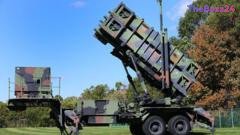
According to the watchdog’s evaluation, the US military expended upwards of $22 billion on munitions between February and June, triggering strategic inventory reductions. Throughout the campaign, American forces have heavily relied on long-range ground attack assets alongside advanced air and missile defense systems—such as Patriot interceptors and Terminal High Altitude Area Defense (THAAD) units—to neutralize incoming Iranian threats. In total, the US government incurred $33.4 billion in war-related expenditures during this four-month window, which includes $3.7 billion in equipment losses such as multiple fighter jets and numerous drones.
While the inspector general’s assessment omitted specific figures regarding remaining weapon counts, it underscored critical industrial base limitations hindering rapid replenishment. In response to these logistical hurdles, defense officials are actively moving to streamline procurement protocols and shorten manufacturing lead times. Despite these documented strains, administration leaders, including Defense Secretary Pete Hegseth, have continued to reject claims of inventory depletion, emphasizing that the nation remains fully prepared for any potential military contingencies.
Key Takeaways
- The Department of Defense inspector general confirmed that the Iran conflict has caused strategic munitions shortfalls.
- The US spent over $22 billion on munitions between February and June, heavily depleting key air and missile defense stockpiles.
- Administration officials, including President Donald Trump, have previously denied these shortages, labeling reports as false.
Editor’s Analysis & Impact
The public confirmation of munitions shortages by the Pentagon’s inspector general highlights a critical vulnerability in America’s defense supply chain amid protracted conflicts. While political leadership maintains a posture of infinite military readiness, the reality of industrial base bottlenecks suggests that long-term strategic competition and high-intensity regional wars severely strain advanced manufacturing capabilities. Moving forward, this report will likely accelerate congressional scrutiny regarding defense procurement, defense contractor scalability, and the replenishment timelines for critical interceptors like Patriot and THAAD systems. The broader economic and geopolitical implications point toward necessary overhauls in federal defense acquisition frameworks to better support sustained military operations without compromising domestic security reserves.
Frequently Asked Questions
Q: What did the Pentagon inspector general's report reveal about US weapons?
A: The report revealed that the war with Iran has caused strategic inventory shortfalls in munitions and created bottlenecks in the resupply chain.
Q: How much did the US spend on munitions between February and June?
A: The US spent more than $22 billion on munitions during that period, contributing to an overall war expenditure of $33.4 billion.
Q: How has the administration responded to reports of weapons shortages?
A: President Donald Trump and other administration officials have repeatedly denied that the US is facing weapons shortages, claiming that supplies are virtually unlimited.
AI Disclosure: This article is based on verified data and official reports. Our Team and AI have cross-referenced every financial detail with primary sources to ensure total accuracy.
More from this Category