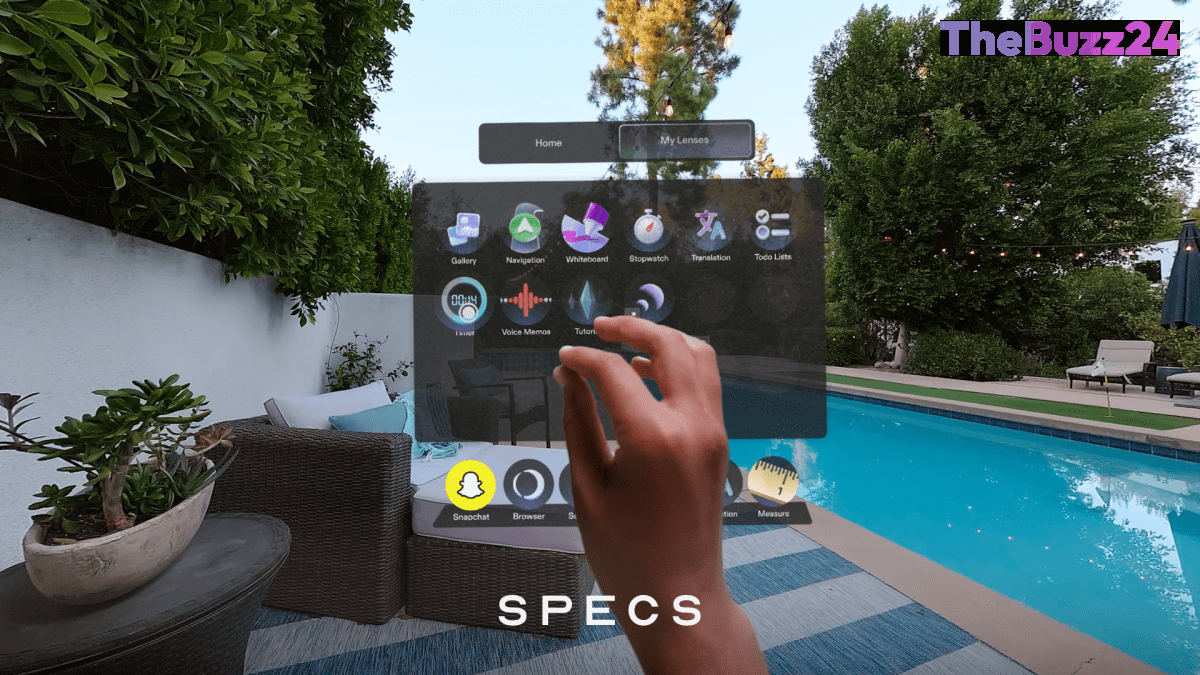
Snap Unveils Major Updates and AI Integration for Its Controversial $2,200 Smart Glasses
Snap is doubling down on its ambitious hardware strategy, rolling out a suite of new software capabilities, enterprise partnerships, and an artificial intelligence system designed to give its high-end smart glasses a clearer value proposition. The hardware, which carries a hefty $2,200 price tag, faced considerable skepticism upon its initial reveal earlier this year, prompting leadership to vigorously defend the device’s place in the consumer technology landscape.
During a recent presentation in Los Angeles, executives showcased several incoming integrations aimed at expanding the hardware’s utility. Among the updates are entertainment additions allowing the wearable device to connect with major streaming and music platforms, alongside niche augmented reality features developed in collaboration with sports organizations. Furthermore, the company introduced an optional cellular connectivity package in partnership with Verizon to support mobile use away from traditional Wi-Fi networks.
The centerpiece of the recent announcements, however, is a new artificial intelligence platform dubbed Specs Intelligence. Described as an anticipatory system, the technology is built to integrate not only with the wearable hardware but also with standard personal devices like smartphones and computers. According to leadership, the system learns user routines and goals to streamline daily productivity tasks. Additionally, the company launched an enterprise initiative aimed at corporate workflows, securing partnerships with major tech giants to position the hardware as a functional tool for IT technicians and specialized workplace environments.
Despite these efforts to broaden the device’s appeal, questions linger regarding consumer adoption given the substantial cost. Executives continue to frame the hardware not merely as an accessory, but as a wearable personal computer designed to enhance human capability rather than replace it. As the official product launch approaches this fall, the company plans to engage potential buyers through dedicated experiential pop-up locations.
Key Takeaways
- Snap introduced 'Specs Intelligence,' an AI system designed to integrate with the smart glasses and other personal devices to assist with productivity.
- The company announced 'Specs for Enterprise,' partnering with major tech firms to target workplace applications such as IT hardware repairs.
- New entertainment integrations, cellular connectivity packages, and AR sports apps were also revealed ahead of the product's official fall shipping date.
Editor’s Analysis & Impact
Snap’s aggressive push to pivot its high-end smart glasses into a viable productivity and enterprise tool highlights the immense pressure facing niche hardware manufacturers in a crowded tech market. By introducing anticipatory AI and enterprise-grade mobile device management, the company is attempting to transcend the initial consumer skepticism driven by the device’s steep $2,200 price point. While integrating with corporate workflows and everyday computing ecosystems provides a logical pathway toward monetization, the true test will lie in whether enterprise utility and niche software features can justify such a significant financial investment for either businesses or casual buyers. If successful, this strategy could redefine how wearable AR devices interface with daily routines; however, failure to capture mainstream interest may permanently relegate the hardware to a costly novelty.
Frequently Asked Questions
Q: How much do Snap's smart glasses cost?
A: The smart glasses are priced at $2,200.
Q: What is Specs Intelligence?
A: Specs Intelligence is a new anticipatory AI system designed to pair with the glasses and other devices like iPhones and Macs to help users focus on goals and manage daily tasks.
Q: When are the glasses expected to ship to consumers?
A: The devices are scheduled to begin shipping later this fall, following a promotional pop-up event in Los Angeles in October.
AI Disclosure: This article is based on verified data and official reports. Our Team and AI have cross-referenced every financial detail with primary sources to ensure total accuracy.
More from this Category