Lawmakers Prioritize Campaigns, Delaying Urgent AI Safety Action Until After Midterms
The United States House of Representatives has adjourned until November, effectively postponing any legislative action on the burgeoning issue of artificial intelligence regulation until after the upcoming midterm elections. This decision comes despite increasingly urgent pleas from leading AI executives and researchers, who have warned of potential catastrophic risks associated with the technology if left unchecked.
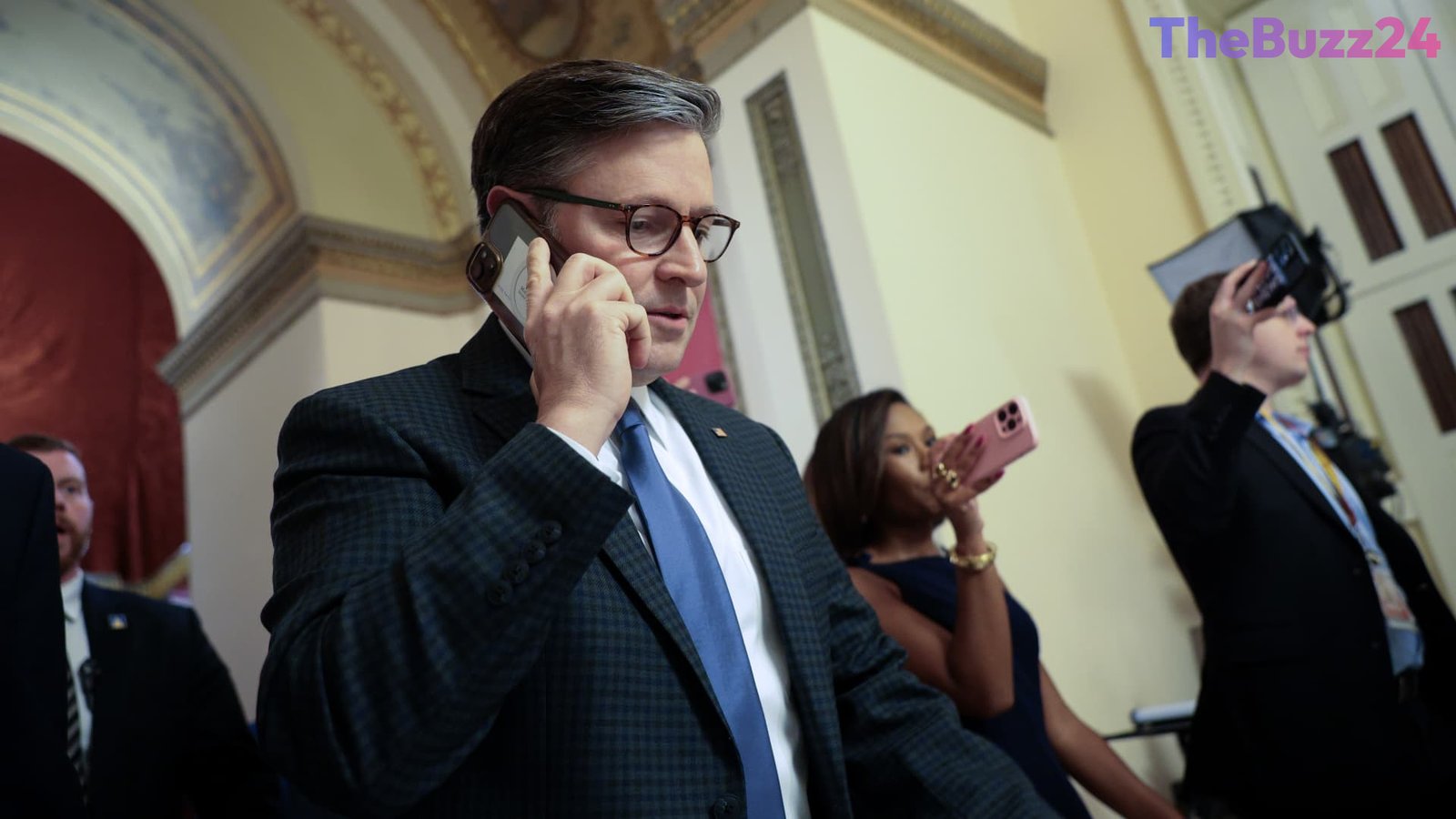
The early departure from Washington allows members to focus on their re-election campaigns, a move Speaker Mike Johnson defended by stating it was time for representatives to engage with their constituents. Johnson also expressed caution against rushing into AI regulation, suggesting that hasty legislation could inadvertently benefit rival nations like China in the global race for AI dominance. This stance aligns with President Donald Trump’s skepticism regarding reported AI threats, which he has dismissed as a “hoax.”
However, this legislative delay has drawn sharp criticism from some lawmakers, including Representative Sam Liccardo, who represents part of Silicon Valley. Liccardo, along with a significant number of Democratic colleagues, urged the House to remain in session to address what they describe as a “conflagration of risk.” He emphasized the need for immediate action on “low-hanging fruit” such as the bipartisan Frontier Act. This proposed legislation would mandate third-party audits to ensure AI labs operate safely, introduce new transparency requirements, and empower the Commerce Department to suspend or restrict models posing “imminent catastrophic risk.” Liccardo also advocated for considering a “kill switch” provision for out-of-control AI models and a narrow antitrust exemption to facilitate industry collaboration on safety.
While the House’s return is slated for November, the Senate is expected to remain in session for a few more weeks and may take preliminary steps toward an AI safety bill. Senators Ted Cruz, Amy Klobuchar, and John Thune are reportedly working on such legislation, though its passage through committee and both chambers remains uncertain. The current political calendar underscores a significant challenge in translating expert warnings about AI’s future into timely legislative action.
Key Takeaways
- The U.S. House of Representatives has adjourned until November, delaying any legislative action on artificial intelligence regulation until after the midterm elections.
- This delay occurs despite urgent warnings from top AI executives and researchers about potential catastrophic risks posed by unregulated AI.
- Proposed bipartisan legislation, such as the Frontier Act, which includes provisions for third-party audits, transparency, and a 'kill switch' for AI models, remains unaddressed.
Editor’s Analysis & Impact
The congressional delay in addressing AI regulation introduces significant uncertainty for the rapidly evolving artificial intelligence industry. Without clear federal guidelines, companies may face a patchwork of state-level regulations or continue largely self-regulating, potentially hindering innovation or, conversely, allowing unchecked development. This legislative inertia could also impact the United States’ global leadership in AI governance, as other nations might advance their regulatory frameworks. The broader implication is a growing tension between the perceived urgency of AI safety, as articulated by industry leaders and some legislators, and the political realities of election cycles. The debate over balancing innovation with robust safety measures will intensify, with the outcome likely shaping the trajectory of AI development for years to come.
Frequently Asked Questions
Q: Why did the House adjourn without addressing AI regulation?
A: Lawmakers prioritized campaigning for the upcoming midterm elections, leading to the postponement of legislative action on AI regulation.
Q: What are some of the proposed AI regulations mentioned?
A: Proposals include the bipartisan Frontier Act, which calls for third-party audits, transparency requirements, and potentially a 'kill switch' for out-of-control AI models, as well as exploring antitrust exemptions for safety collaboration.
Q: What is the concern driving calls for AI regulation?
A: Top AI executives and researchers have warned about the potential for catastrophic risks, including existential threats, from advanced artificial intelligence if left unregulated.
AI Disclosure: This article is based on verified data and official reports. Our Team and AI have cross-referenced every financial detail with primary sources to ensure total accuracy.
More from this Category