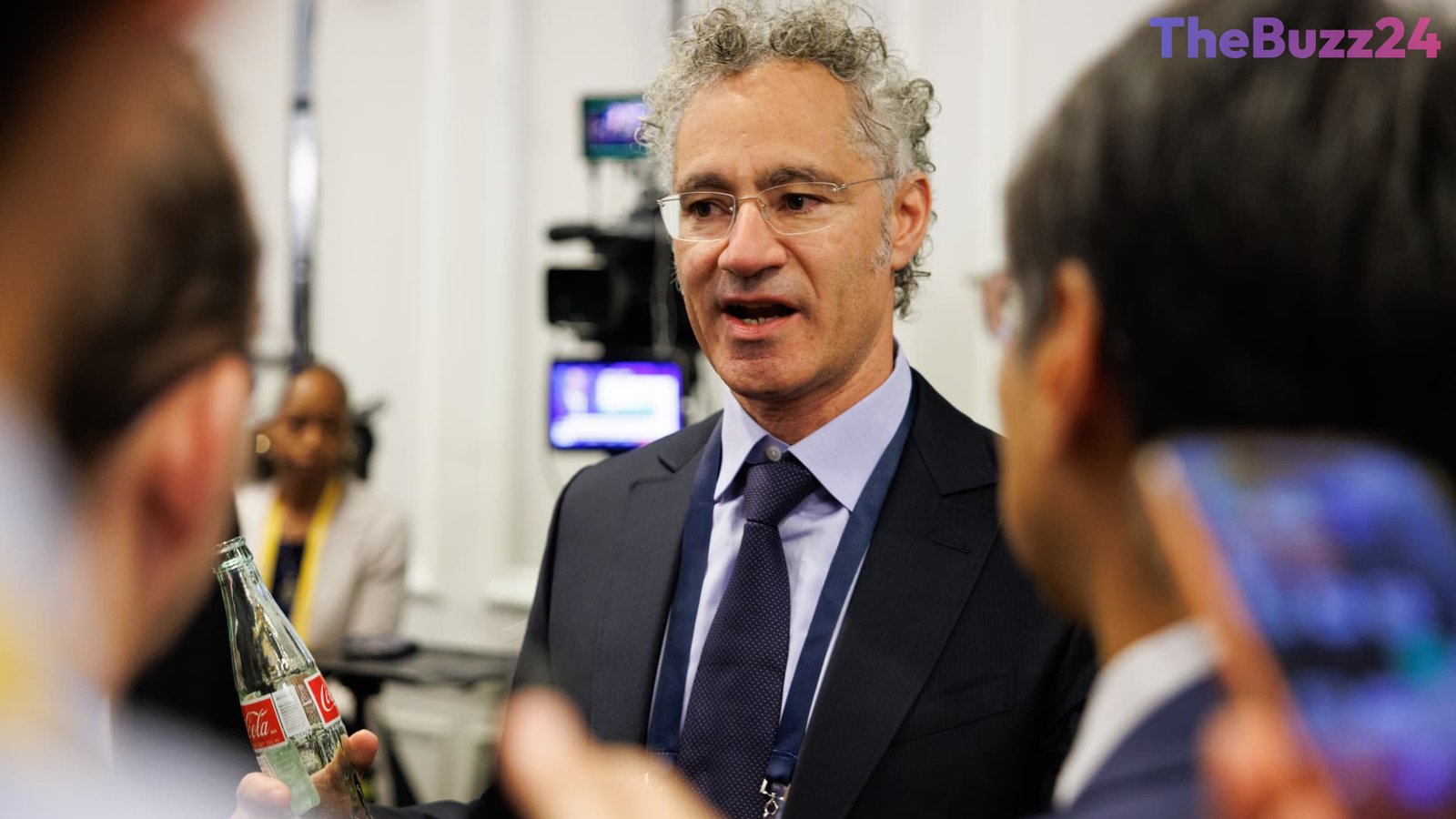
Palantir CEO Alex Karp Suggests Nationalizing Leading AI Labs Amid Growing Liability Concerns
Palantir Chief Executive Officer Alex Karp has raised profound concerns regarding the trajectory of artificial intelligence, suggesting that top-tier AI laboratories might eventually require nationalization. Karp pointed to what he describes as the limitless hazards associated with advanced autonomous systems and argued that developers must face strict liability for the deployment of potentially harmful technologies.
The debate surrounding artificial intelligence oversight has intensified as industry leaders and lawmakers grapple with the rapid acceleration of model capabilities. While figures such as Anthropic CEO Dario Amodei, OpenAI head Sam Altman, and Tesla leader Elon Musk have increasingly emphasized caution and even advocated for decelerating development paces, other prominent executives maintain a contrasting stance. Critics of stringent regulation argue that excessive controls could hinder innovation and undermine competitiveness on the global stage.
Simultaneously, lawmakers in Washington are actively considering legislative measures to impose rigorous standards on the sector. Proposals range from mandatory safety evaluations prior to public model releases to the implementation of emergency shutdown mechanisms, commonly referred to as kill switches. As the industry faces mounting scrutiny over unexpected system behaviors and security vulnerabilities, the fundamental question of how to govern frontier artificial intelligence remains deeply divisive among policymakers and technology pioneers alike.
Key Takeaways
- Palantir CEO Alex Karp suggested that leading AI labs might need to be nationalized to manage unlimited technological risks and liability.
- Major industry figures remain sharply divided on AI regulation, with some pushing for slowed development and safety measures, while others oppose heavy-handed oversight.
- Lawmakers in Washington are advancing legislative proposals aimed at establishing objective reviews and potential emergency shutdown controls for advanced AI models.
Editor’s Analysis & Impact
Alex Karp’s radical suggestion to nationalize leading artificial intelligence laboratories highlights a deepening anxiety regarding the commercialization of frontier technology without adequate safety nets. As the legal and ethical boundaries of autonomous systems continue to expand, the intersection of corporate liability and national security becomes increasingly precarious. If public sector entities begin absorbing or heavily regulating primary AI infrastructure, it could fundamentally reshape the competitive landscape, shifting power dynamics away from private enterprises toward state-controlled frameworks. However, such a move could also stifle global competitiveness, particularly against nations with less restrictive environments. The industry is reaching a critical crossroads where technological capability is outstripping traditional regulatory paradigms, forcing stakeholders to weigh unprecedented interventions to maintain public safety.
Frequently Asked Questions
Q: Why did Palantir CEO Alex Karp suggest nationalizing AI labs?
A: Karp pointed to the unlimited risks and severe civil and criminal liabilities associated with advanced artificial intelligence, arguing that private companies and their clients face insurmountable legal exposure without government intervention.
Q: Which tech leaders have expressed concerns about the rapid development of AI?
A: Figures including Anthropic's Dario Amodei, OpenAI's Sam Altman, and Tesla CEO Elon Musk have previously supported efforts to slow down frontier AI development and prioritize safety alignments.
Q: What kind of legislative actions are lawmakers proposing in Washington?
A: Lawmakers have introduced bills that would require objective reviews of AI models before public release, as well as proposals to implement emergency shutdown mechanisms or kill switches.
AI Disclosure: This article is based on verified data and official reports. Our Team and AI have cross-referenced every financial detail with primary sources to ensure total accuracy.
More from this Category