New U.S. Legislation Grants Authority to Impose 100% Tariffs on Russian Oil Buyers
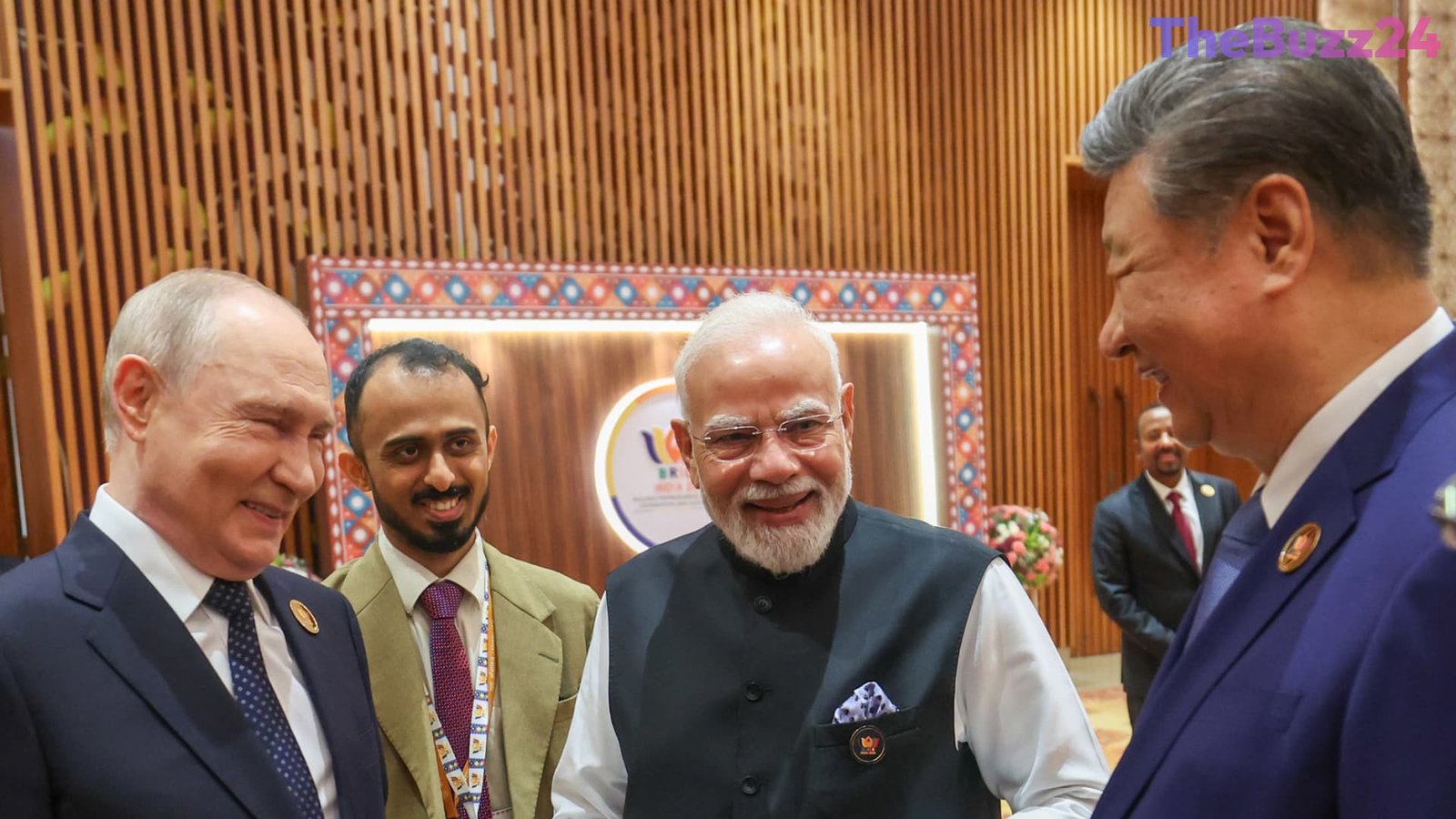
The U.S. House of Representatives has passed a significant sanctions bill that grants the President the authority to impose tariffs of up to 100% on nations that continue to purchase crude oil from Russia. This legislative move targets the primary importers of Russian energy, specifically China and India, which have significantly increased their intake of discounted Russian crude since the onset of the conflict in Ukraine in 2022.
Data indicates that China currently accounts for approximately 50% of Russia’s crude exports, while India follows with 37%. Despite the potential for severe economic penalties, analysts suggest that both nations are unlikely to voluntarily reduce their imports, as these supplies are critical to their respective energy security strategies. The bill provides the executive branch with a powerful, albeit discretionary, tool to exert diplomatic and economic pressure on these global powers.
While the legislation creates a new framework for potential trade barriers, experts note that the administration may exercise caution in its application. With high-stakes trade negotiations currently underway with India and upcoming diplomatic summits involving China, the U.S. faces a delicate balancing act. The threat of tariffs serves as a strategic lever, though immediate implementation could risk retaliatory measures and economic instability, particularly given the current global energy landscape.
Both New Delhi and Beijing have signaled their commitment to maintaining energy security for their populations. The Indian government has emphasized its need to protect its domestic interests, while Chinese officials have historically pushed back against unilateral sanctions. As the situation evolves, the international community remains focused on whether this new statutory authority will be utilized as a genuine trade weapon or remain a dormant instrument of diplomatic leverage.
Key Takeaways
- New U.S. legislation allows for up to 100% tariffs on countries importing Russian crude oil.
- China and India are the largest purchasers of Russian oil and are the primary targets of this new authority.
- The bill provides the U.S. with significant diplomatic leverage, though immediate enforcement faces risks of retaliation and economic disruption.
Editor’s Analysis & Impact
The passage of this legislation marks a shift toward more aggressive secondary sanctions, signaling that the U.S. is willing to leverage its trade relationships to undermine Russia’s energy revenue. From a market perspective, this creates a ‘wait-and-see’ environment for global oil traders. If the U.S. chooses to enforce these tariffs, it could lead to a massive supply chain shock, forcing China and India to seek alternative, likely more expensive, energy sources. However, the political reality suggests that the administration will likely use this as a bargaining chip rather than a blunt instrument. The broader implication is a deepening divide between the U.S.-led trade bloc and the BRICS-aligned nations, potentially accelerating the fragmentation of global energy markets and encouraging these nations to further insulate their economies from U.S. financial influence.
Frequently Asked Questions
Q: Does this bill automatically impose tariffs on all countries buying Russian oil?
A: No, the bill grants the President the authority to impose these tariffs, but it does not mandate them. It provides the executive branch with the discretion to decide if and when to apply such measures.
Q: Why are China and India unlikely to stop buying Russian oil?
A: Both nations view Russian oil as essential to their energy security. Replacing the massive volume of Russian crude with other sources would be logistically difficult and significantly more expensive, which is politically and economically undesirable for both countries.
AI Disclosure: This article is based on verified data and official reports. Our Team and AI have cross-referenced every financial detail with primary sources to ensure total accuracy.
More from this Category