Warren Buffett Steps Down as Berkshire Hathaway Chairman, Marking End of an Era
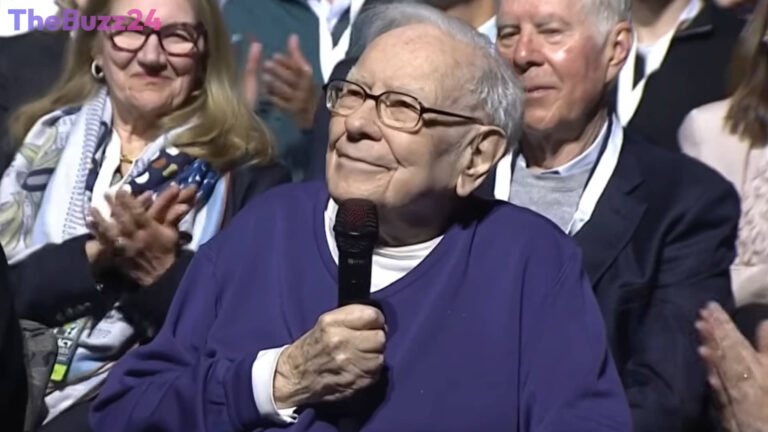
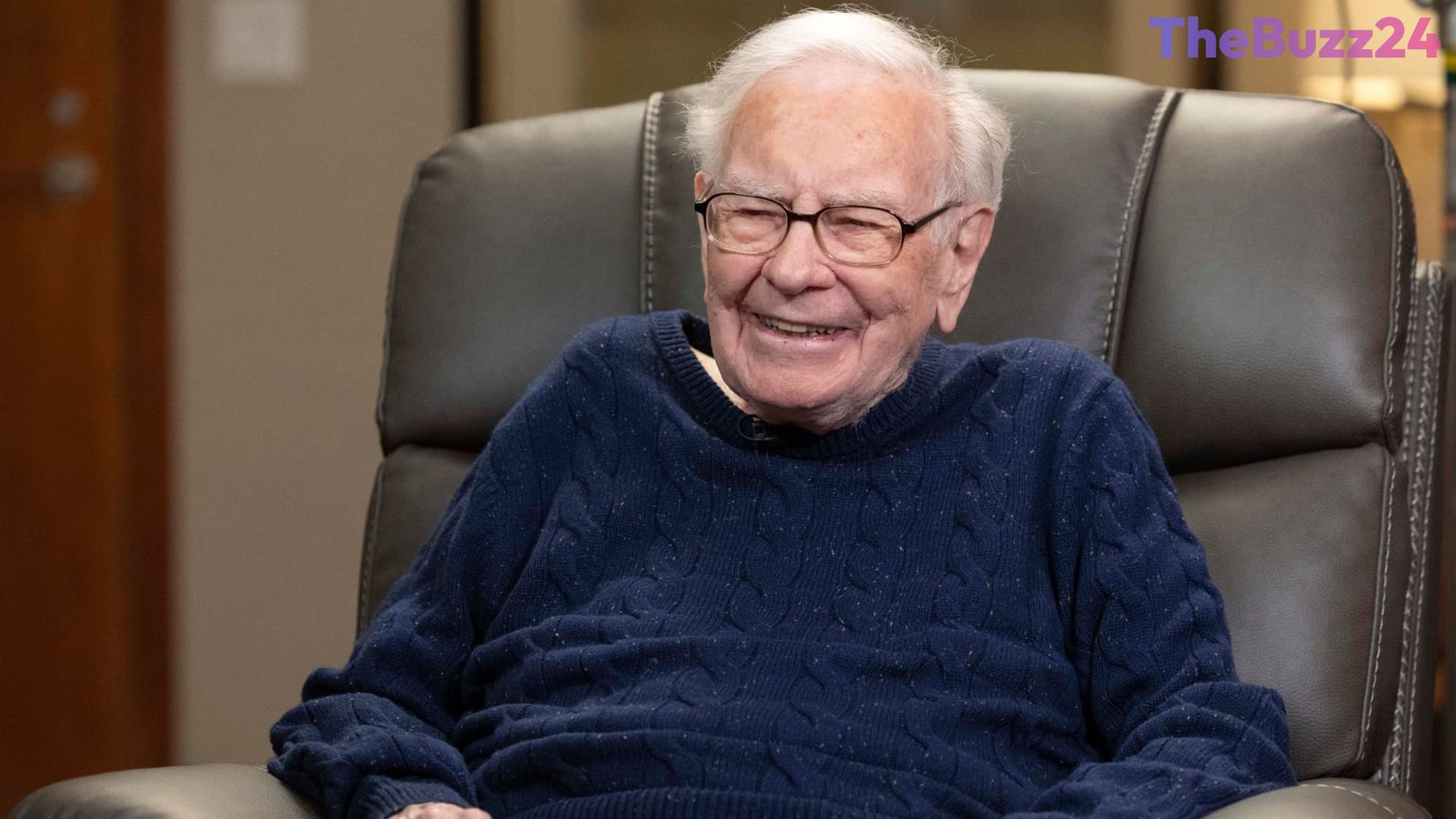
Warren Buffett has officially stepped down as chairman of Berkshire Hathaway, the massive conglomerate he transformed into a global financial powerhouse over the past six decades. At 96 years old, the legendary investor announced his departure in a letter to shareholders, noting that while he remains a director on the board, he will transition into the role of chairman emeritus effective immediately. His son, Howard Buffett, has been appointed to succeed him as chairman, fulfilling a long-standing succession plan designed to preserve the company’s unique corporate culture.
Buffett’s exit follows his decision to step down as CEO last year, a role now held by Greg Abel. Reflecting on his long tenure, which began in 1965 when he took over a struggling textile mill, Buffett acknowledged the realities of aging with his characteristic wit, stating that while “Father Time always wins,” he remains confident in the company’s future trajectory. Under his leadership, Berkshire Hathaway achieved a 19.7% compounded annual return, significantly outperforming the S&P 500 and growing into a trillion-dollar entity with nearly 400,000 employees.
As the company moves forward, the leadership structure is clearly defined: Greg Abel will continue to manage the firm’s operations, while Howard Buffett will serve as the guardian of the company’s values and culture. Despite the transition, Buffett expressed full confidence in the current leadership team, noting that his expectations for Abel have been exceeded. The company enters this new chapter with a massive cash reserve of $365.5 billion, leaving investors to watch closely how the new management team will deploy capital in a shifting economic landscape.
Key Takeaways
- Warren Buffett has stepped down as chairman of Berkshire Hathaway, transitioning to the role of chairman emeritus at age 96.
- Howard Buffett will succeed his father as chairman, while Greg Abel continues to serve as the company's CEO.
- The transition marks the end of a six-decade era that saw Berkshire Hathaway grow from a textile mill into a trillion-dollar conglomerate.
Editor’s Analysis & Impact
The departure of Warren Buffett from the chairmanship of Berkshire Hathaway is a watershed moment for global finance. For decades, the company’s valuation was inextricably linked to Buffett’s personal investment acumen and reputation. The market now faces a ‘post-Buffett’ reality, where the primary challenge for CEO Greg Abel is to maintain the firm’s legendary culture while navigating a modern market that has recently favored high-growth sectors over Berkshire’s traditional value-oriented approach. With $365.5 billion in cash, the firm has immense potential for acquisitions or buybacks, but the pressure is on to prove that the company can continue to outperform the S&P 500 without its iconic leader at the helm. The appointment of Howard Buffett as chairman serves as a strategic ‘cultural anchor,’ intended to reassure shareholders that the core values of the firm remain intact despite the change in executive leadership.
Frequently Asked Questions
Q: Who is replacing Warren Buffett as chairman of Berkshire Hathaway?
A: Warren Buffett's son, Howard Buffett, has been appointed as the new chairman of the board.
Q: Will Warren Buffett still be involved with Berkshire Hathaway?
A: Yes, Warren Buffett will remain a director on the board and will serve as chairman emeritus.
AI Disclosure: This article is based on verified data and official reports. Our Team and AI have cross-referenced every financial detail with primary sources to ensure total accuracy.
More from this Category