The Late-Game Gamble: Trump’s Massive Super PAC War Chest Hits the Airwaves
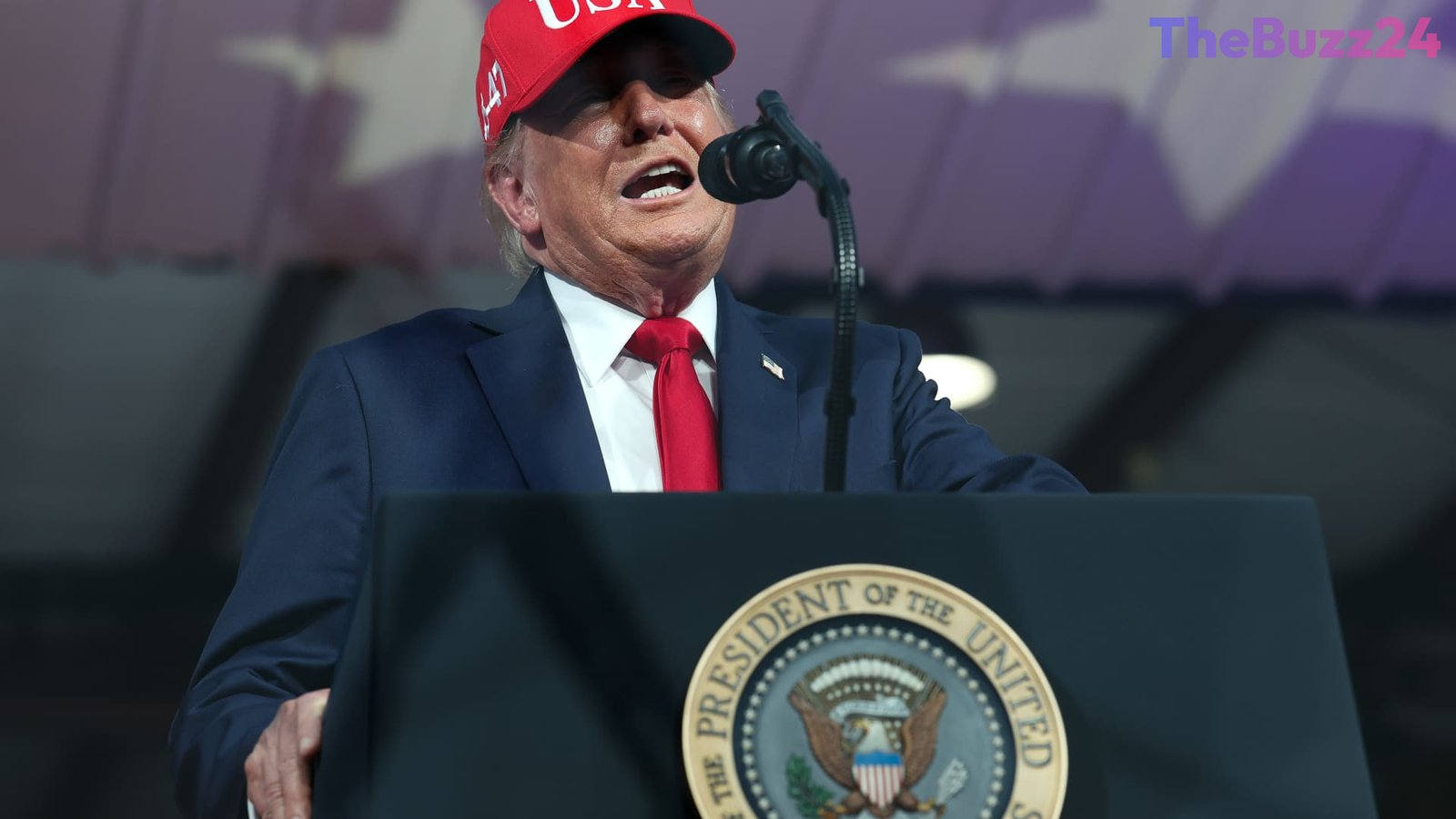
After maintaining a massive $403 million war chest for months, the flagship super PAC associated with Donald Trump, MAGA Inc., has officially launched a major spending offensive. This late-stage influx of capital is currently reshaping the landscape of several critical congressional races as the 2026 midterm elections approach. For many Republican candidates who spent the summer struggling to keep pace with better-funded Democratic opponents, this financial support arrives as a welcome, albeit delayed, relief.
However, the strategy of holding such significant funds until the final weeks of the campaign presents unique logistical challenges. Political advertising experts note that while the money can certainly be deployed, the window for maximum efficiency has narrowed. Because major political groups began securing advertising slots months ago, the current market is saturated and expensive. Unlike official candidate campaigns, which are entitled to the lowest possible rates for airtime, super PACs must pay market rates, which can be significantly higher, especially in crowded battleground states.
Despite these hurdles, some analysts argue that the timing could prove advantageous. Research suggests that advertising during the summer months often yields diminishing returns, as many voters are not yet fully engaged. By concentrating spending in the final weeks, the campaign aims to reach voters when they are most attentive. The effectiveness of this strategy will ultimately depend on the precision of the targeting and the ability of these groups to navigate increasingly expensive digital and broadcast markets as Election Day nears.
As the final sprint begins, the focus shifts to how these resources are allocated across an expanding map of competitive races. With the political environment tightening in states previously considered safe, the pressure to optimize every dollar spent has never been higher. The upcoming financial disclosures will provide a clearer picture of which battlegrounds are being prioritized and whether this massive late-game investment will be enough to sway the outcome in key contests.
Key Takeaways
- MAGA Inc. has begun deploying a $403 million war chest, aiming to bolster Republican candidates in tight midterm races.
- Late-stage spending faces higher costs, as super PACs lack the 'lowest unit charge' protections afforded to official candidate campaigns.
- While some experts argue late spending is more effective at capturing voter attention, the strategy faces risks from market saturation and rising ad prices.
Editor’s Analysis & Impact
The decision to hold such a significant portion of campaign funds until the final weeks of the election cycle represents a high-stakes gamble on voter psychology. By prioritizing late-cycle saturation over early-cycle name recognition, the campaign is betting that the ‘recency effect’ will outweigh the logistical disadvantage of paying premium market rates for ad inventory. This approach reflects a broader trend in modern political finance where super PACs act as the primary engines for late-stage mobilization. However, the broader implication is a potential ‘arms race’ in digital and broadcast pricing, which could make future elections even more prohibitively expensive. If this strategy succeeds in flipping key seats, it will likely set a new standard for campaign finance management, potentially encouraging future candidates to hoard resources for explosive, last-minute media blitzes rather than sustained, long-term messaging.
Frequently Asked Questions
Q: Why do super PACs pay more for advertising than official candidates?
A: Federal communications law grants official candidates the 'lowest unit charge' for airtime during the final 60 days of an election. Super PACs are not entitled to these rates and must pay standard market prices, which are often significantly higher.
Q: Is there a benefit to waiting until the end of a campaign to spend money?
A: Some political scientists argue that summer advertising has little impact on election outcomes. Spending closer to Election Day ensures that the messaging is fresh in the minds of voters when they are most likely to be paying attention.
AI Disclosure: This article is based on verified data and official reports. Our Team and AI have cross-referenced every financial detail with primary sources to ensure total accuracy.
More from this Category