US President Signs Landmark Sanctions Bill Targeting Russia’s Energy Sector
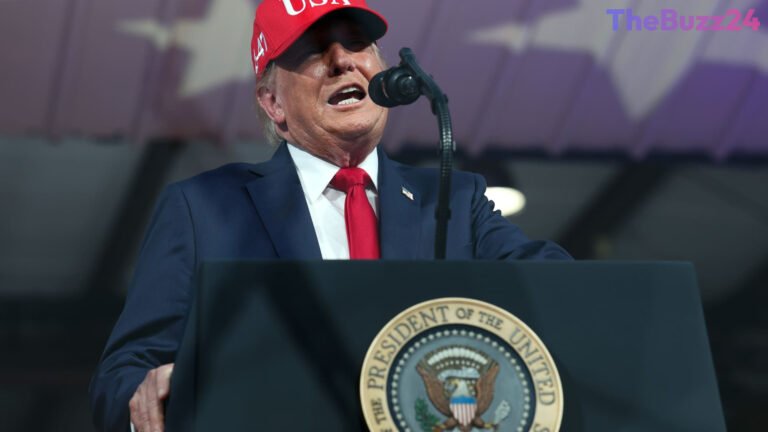
President Donald Trump has officially signed into law a significant sanctions bill aimed at crippling Russia’s economy by imposing penalties on major importers of its oil and gas. This legislative move, which passed the House of Representatives earlier this week, grants the President extensive authority to implement tariffs of up to 100% on the top five purchasers of Russian energy resources, with China and India being the most prominent targets.
The legislation, formally known as the Lindsey O Graham Sanctioning Russia and Iran Act of 2026, also extends its reach to Iran’s energy and weapons industries, a provision reportedly added at President Trump’s request. The bill includes specific exemptions for nations importing less than 15% of their natural gas from Russia and actively working to reduce their reliance on Russian supplies.
Beyond targeting energy purchasers, the act imposes sanctions on Russian President Vladimir Putin, key figures within the Russian government, financial institutions, and the “shadow fleet” of tankers utilized to circumvent existing international sanctions. This comprehensive approach aims to significantly curtail Russia’s financial capacity to fund its military activities, particularly in light of the ongoing conflict in Ukraine. Supporters have hailed the bill as a powerful tool to counter aggression.
Data indicates that China has been a substantial buyer of Russian crude, accounting for approximately 50% of exports between late 2022 and mid-2026, with India following at 37%. Turkey and the European Union represented smaller shares during the same period, though EU imports have been declining. The bill’s passage marks a significant escalation in economic pressure on Russia, reflecting a strong bipartisan consensus on the need to address its geopolitical actions.
Key Takeaways
- President Trump has signed a new sanctions bill targeting Russia's oil and gas sector.
- The bill allows for tariffs up to 100% on major purchasers of Russian energy, including China and India.
- Sanctions are also extended to Iran's energy and weapons sectors, as well as Russian officials and financial institutions.
Editor’s Analysis & Impact
The enactment of the Lindsey O Graham Sanctioning Russia and Iran Act of 2026 represents a significant escalation in the economic pressure campaign against Russia. By targeting major energy importers like China and India, the US aims to disrupt a critical revenue stream for the Kremlin. This move could have ripple effects across global energy markets, potentially influencing prices and trade flows. The inclusion of sanctions against Iranian energy and weapons sectors broadens the geopolitical scope of the legislation. While designed to curb aggression, the effectiveness will depend on swift and full implementation, and how targeted nations respond to potential tariffs and restrictions. The long-term impact on international trade relations and Russia’s economic resilience remains to be seen.
Frequently Asked Questions
Q: What is the primary goal of the new sanctions bill?
A: The primary goal is to cripple Russia's economy by penalizing major purchasers of its oil and gas, thereby limiting its financial capacity to fund military actions.
Q: Which countries are most significantly impacted by these sanctions?
A: China and India are the most significantly impacted as they are among the top five purchasers of Russian oil and gas, facing potential tariffs of up to 100%.
Q: Does the bill target anyone other than energy purchasers?
A: Yes, the bill also imposes sanctions on Russian President Vladimir Putin, senior Russian government figures, financial institutions, and Russia's "shadow fleet" of tankers. Additionally, it extends sanctions to Iran's energy and weapons sectors.
AI Disclosure: This article is based on verified data and official reports. Our Team and AI have cross-referenced every financial detail with primary sources to ensure total accuracy.
More from this Category