Cuba Plunges into Darkness Amidst Deepening Energy Crisis
Cuba’s national electricity grid suffered a “total disconnection” on Friday, triggering a nationwide power outage that left millions without electricity. The country’s energy ministry confirmed the extensive disruption, which began just before 2:00 PM local time. Grid operator UNE attributed the incident to a transmission fault compounded by adverse weather conditions in central Cuba.
By late evening, power began to be gradually restored to critical areas, including facilities near hospitals and water pumping stations in the capital, Havana. Felix Estrada, UNE’s national load dispatch director, stated that protocols for “gradual restoration” were activated, with efforts continuing into Saturday. This latest incident marks at least the sixth partial or total blackout to hit the island nation this year, underscoring a persistent and worsening energy crisis.
The frequent outages are a direct consequence of Cuba’s aging electricity infrastructure and chronic fuel shortages. These long-standing issues have been severely exacerbated by a US blockade on oil shipments to the communist-run nation, which relies heavily on fuel imports. The scarcity extends beyond electricity, impacting the availability of food and medicine, with hospitals struggling to operate normally and schools and government offices often forced to close. Residents express profound frustration, with one Havana local noting, “Lately, it’s becoming a habit… just yesterday we were 24 hours without electricity, they turned it on for just an hour and it went down again.” Another resident lamented the cumulative hardships: “It’s one thing after another: no water, no gas for cooking, no electricity.”
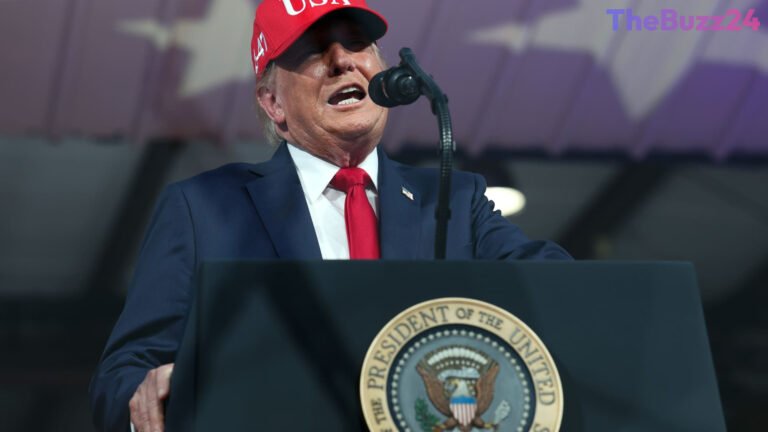
The repeated blackouts have ignited rare public protests across Cuba, where unauthorized demonstrations are typically illegal and carry significant risks. Havana’s government has consistently blamed the fuel crisis on the Trump administration’s tightened sanctions, including a new round announced in August, which form part of a broader pressure campaign against the Caribbean island’s leadership. Conversely, Washington attributes Cuba’s energy woes to poor internal management and has accused the nation of posing a “national security threat,” with former President Donald Trump having openly discussed regime change. The situation has been further complicated by the US seizure of Venezuelan oil shipments, a key ally that previously supplied about half of Cuba’s oil needs.
Key Takeaways
- Cuba experienced a nationwide power outage due to a transmission fault and poor weather, leading to a "total disconnection" of its electricity grid.
- This is one of several blackouts this year, exacerbated by aging infrastructure, chronic fuel shortages, and the impact of US sanctions on oil imports.
- The ongoing energy crisis has severely impacted daily life, causing scarcity of essential goods, disrupting services, and fueling rare public protests.
Editor’s Analysis & Impact
The recurring nationwide blackouts in Cuba signify a critical and deteriorating energy crisis with profound implications. Economically, these outages cripple productivity, disrupt essential services, and deter potential investment, further straining an already fragile economy. The reliance on external fuel sources, coupled with stringent US sanctions, leaves Cuba highly vulnerable to geopolitical shifts and supply chain disruptions. Looking ahead, without significant infrastructure modernization and a resolution to its fuel procurement challenges—whether through sanctions relief or diversification of suppliers—the situation is likely to worsen. Broader implications include increased social unrest and potential political instability, highlighting the humanitarian costs of prolonged economic pressures and the urgent need for sustainable energy solutions in the region.
Frequently Asked Questions
Q: What caused the recent nationwide blackout in Cuba?
A: The recent nationwide blackout in Cuba was attributed to a transmission fault combined with adverse weather conditions in the central part of the country, leading to a "total disconnection" of the national electricity grid.
Q: Why are blackouts so frequent in Cuba?
A: Frequent blackouts in Cuba are a result of the country's aging electricity infrastructure, chronic fuel shortages, and the significant impact of US sanctions, which have severely restricted its ability to import oil.
Q: How have the blackouts affected daily life in Cuba?
A: The blackouts have led to widespread disruption, including scarcity of food and medicine, closure of schools and government offices, and significant hardship for residents, prompting rare public protests against the ongoing crisis.
AI Disclosure: This article is based on verified data and official reports. Our Team and AI have cross-referenced every financial detail with primary sources to ensure total accuracy.
More from this Category