India’s Quick Commerce Revolution: iPhones Delivered Faster Than Pizza
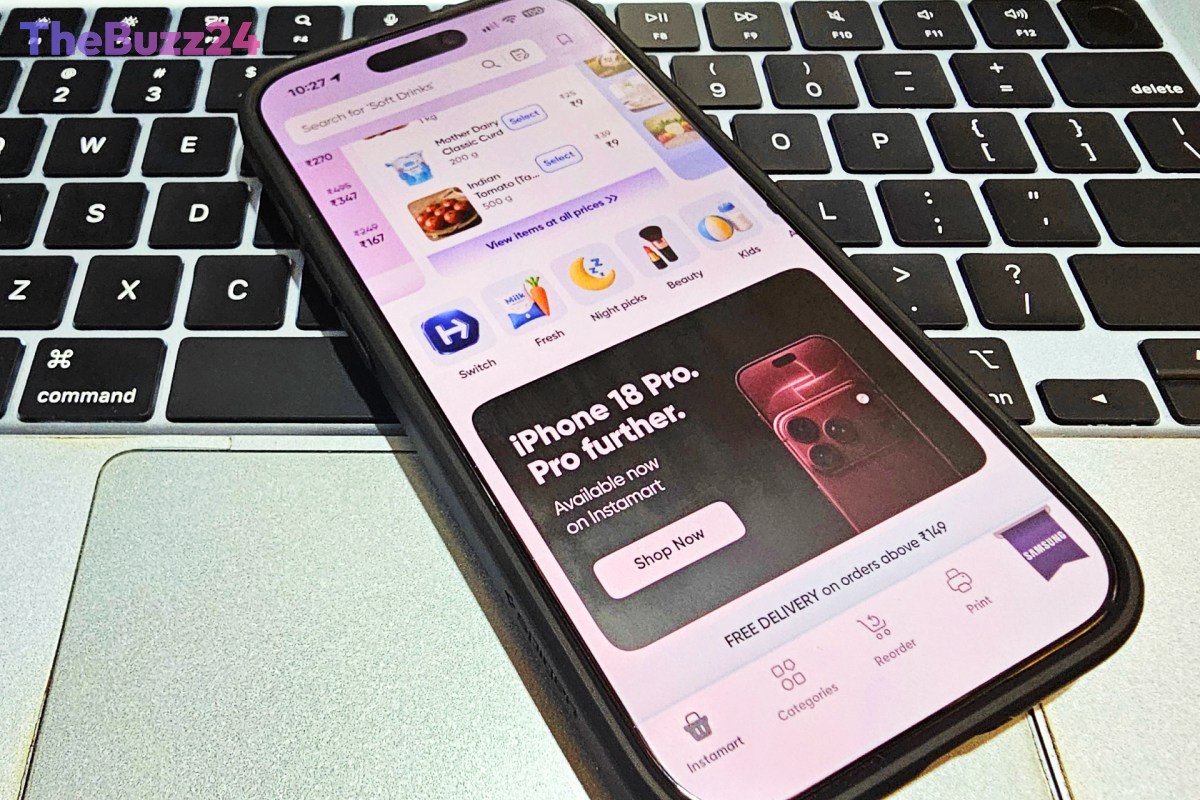
In a remarkable display of India’s burgeoning quick-commerce sector, consumers in major cities are now able to purchase the latest Apple iPhones and receive them at their doorstep in approximately 10 minutes. Platforms like Blinkit, Zepto, Swiggy’s Instamart, and BigBasket, traditionally known for rapid grocery delivery, have expanded their offerings to include high-value electronics, with the new iPhone 18 Pro and iPhone 18 Pro Max being the latest example.
This rapid delivery service for premium smartphones on launch day is becoming a notable trend in India. While these devices are also available through traditional channels such as Apple’s own stores, authorized retailers, and online marketplaces, the quick-commerce option provides an unparalleled level of instant gratification. This expansion beyond groceries into categories like electronics, beauty, and fashion highlights the evolving capabilities and consumer trust in these fast-delivery platforms.
The quick-commerce market in India is experiencing explosive growth. Recent reports indicate the sector reached approximately $9 billion in the first half of 2026, with monthly active users surging from 8 million to over 60 million in just three years. Projections suggest the market could reach $50 billion by 2030, with non-food items, including electronics, making up a significant portion of this growth.
Launch day demand for the new iPhones was substantial, with BigBasket reporting over 300 iPhone 18 Pro and Pro Max units delivered within the first hour of sales. Instamart noted strong order volumes, particularly in Bengaluru and Delhi, with specific models like the Burgundy 256 GB iPhone 18 Pro proving highly popular. However, availability quickly became inconsistent, with some platforms and locations selling out within hours, while others maintained stock.
Key Takeaways
- Quick-commerce platforms in India are now delivering the latest iPhones in as little as 10 minutes.
- The Indian quick-commerce market is rapidly expanding beyond groceries, with electronics becoming a significant category.
- While offering instant gratification, the role of quick commerce in premium smartphone sales is currently more of a launch-day phenomenon than a consistent sales channel.
Editor’s Analysis & Impact
The rapid delivery of premium smartphones like the iPhone via quick-commerce platforms in India signifies a major shift in consumer expectations and retail logistics. This trend underscores the growing maturity and diversification of India’s quick-commerce sector, moving beyond essential goods to high-value items. While currently a ‘launch-day marketing phenomenon’ creating buzz, its success hinges on translating this initial excitement into sustained sales. The ability to fulfill such orders efficiently builds crucial consumer trust, potentially paving the way for broader adoption of quick commerce for electronics and other non-essential goods, reshaping the competitive landscape for traditional retailers and online marketplaces.
Frequently Asked Questions
Q: What is quick commerce?
A: Quick commerce refers to a business model focused on delivering goods, typically groceries and everyday essentials, to consumers within a very short timeframe, often as little as 10-30 minutes, using a network of local fulfillment centers.
Q: Why are quick-commerce platforms delivering iPhones?
A: These platforms are expanding their product categories beyond groceries to include electronics, beauty products, and fashion, capitalizing on their established rapid delivery infrastructure and growing consumer trust to offer high-value items like the latest iPhones.
Q: Is quick commerce a significant sales channel for smartphones in India?
A: Currently, quick commerce's role in smartphone sales is primarily a launch-day marketing event that generates excitement. While it demonstrates the potential for rapid delivery of premium products, it is not yet a major, consistent sales channel compared to traditional retail or established e-commerce platforms.
AI Disclosure: This article is based on verified data and official reports. Our Team and AI have cross-referenced every financial detail with primary sources to ensure total accuracy.
More from this Category