Waymo to End Uber Exclusivity in Key Markets by 2028
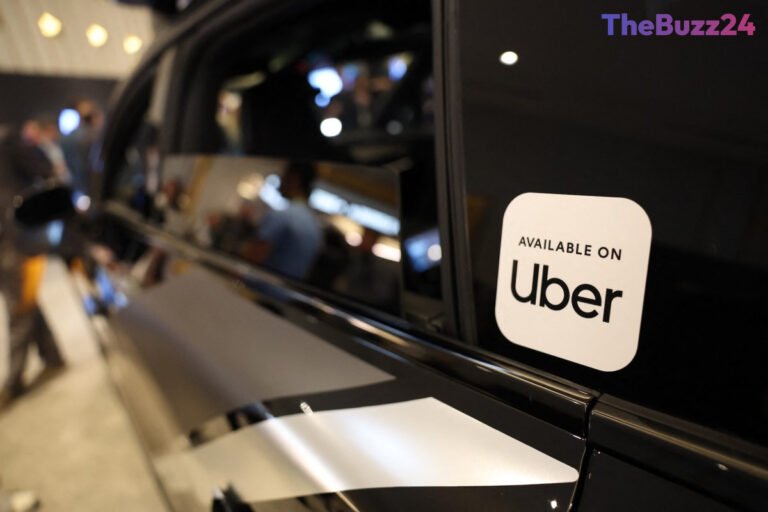
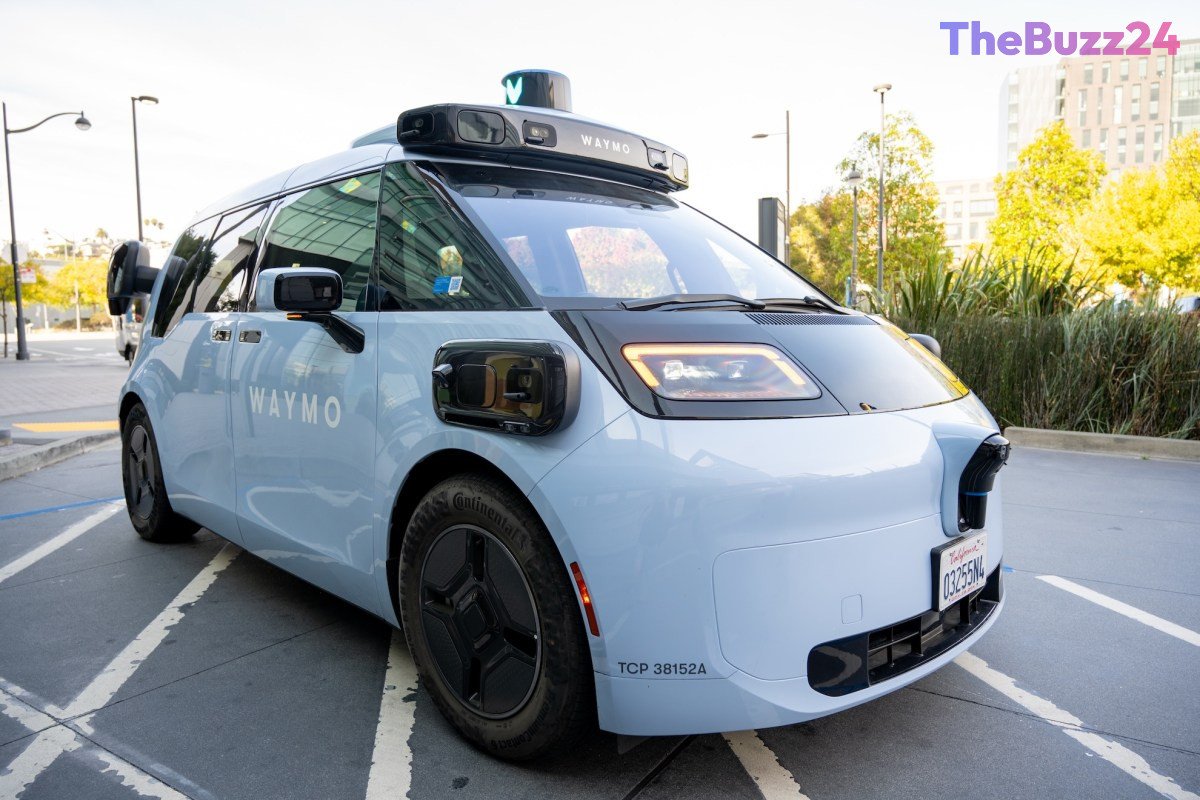
Waymo is set to significantly alter its operational strategy in Austin and Atlanta, announcing plans to terminate its exclusivity agreement with Uber effective January 2028. Following this transition, the autonomous vehicle company will shift its focus toward offering ride-hailing services directly through its proprietary smartphone application, mirroring the model it currently employs in other major service areas.
Co-CEO Tekedra Mawakana indicated that while the initial partnership with Uber was designed to leverage the ride-hailing giant’s massive scale, the user experience has proven inconsistent. A primary concern cited by the company is the lack of clarity for riders, who often struggle to distinguish between autonomous robotaxis and traditional human-driven vehicles when using the Uber platform. By moving to its own app, Waymo aims to establish a more direct and predictable relationship with its customer base.
Despite the end of the exclusivity arrangement, Uber has confirmed that it remains open to hosting Waymo vehicles on its platform, provided both companies reach a mutual agreement. The move reflects a broader strategic pivot for Waymo as it seeks to exert greater control over its brand identity and the specific service experience provided to passengers in its expanding network of cities.
Key Takeaways
- Waymo will end its exclusive partnership with Uber in Austin and Atlanta starting in January 2028.
- The company plans to transition to a direct-to-consumer model using its own dedicated smartphone app.
- The decision was driven by a desire to improve rider experience and ensure users know they are booking an autonomous vehicle.
Editor’s Analysis & Impact
This strategic shift signals Waymo’s increasing confidence in its brand equity and operational maturity. By moving away from the Uber ecosystem, Waymo is prioritizing the ‘owned’ customer experience, which is critical for building long-term trust in autonomous technology. The move suggests that Waymo no longer views the massive scale of Uber as a necessary trade-off for the loss of brand control. For the broader industry, this highlights a growing trend where autonomous vehicle developers are moving from ‘technology provider’ status to ‘platform operator’ status. While Uber remains a powerful aggregator, Waymo’s move indicates that the future of robotaxis may be defined by proprietary ecosystems rather than third-party ride-hailing marketplaces, potentially setting the stage for a more fragmented but highly specialized autonomous transportation landscape.
Frequently Asked Questions
Q: Will I still be able to book a Waymo through Uber after January 2028?
A: While the exclusivity agreement is ending, Uber has stated it is still open to hosting Waymo vehicles on its platform if both companies agree to the terms.
Q: Why is Waymo moving away from the Uber platform?
A: Waymo cited concerns over rider experience, specifically noting that users were often confused about whether they were hailing a robotaxi or a human-driven vehicle.
AI Disclosure: This article is based on verified data and official reports. Our Team and AI have cross-referenced every financial detail with primary sources to ensure total accuracy.
More from this Category