From Software Giant to Fusion Pioneer: Jeff Lawson’s Ambitious Energy Venture
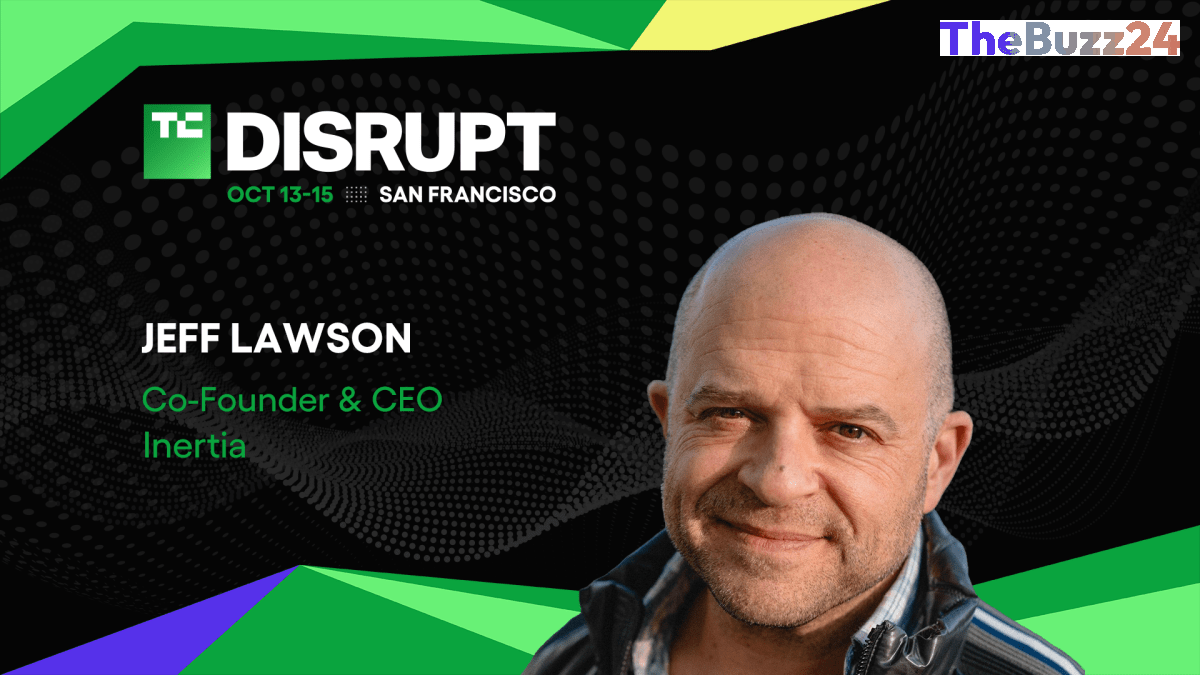
Jeff Lawson, the visionary co-founder who scaled Twilio into a public company with over $4 billion in revenue and 300,000 customers globally, is embarking on an ambitious new chapter. His latest endeavor, Inertia, aims to bring fusion power to the electrical grid, marking a profound shift from the world of software development to the complex realm of deep technology and energy innovation.
This transition represents a striking change in direction for a seasoned tech entrepreneur. Inertia’s mission involves navigating intricate challenges related to advanced lasers, precision manufacturing, and achieving significant engineering milestones—a stark contrast to the agile, code-centric environment of a software company. The venture raises critical questions about how the principles of successful software entrepreneurship translate when the core business relies on groundbreaking scientific and industrial advancements.
Lawson’s journey with Inertia will undoubtedly explore the strategic considerations involved in building a deep tech company. This includes assembling a highly specialized team whose expertise extends far beyond his own, establishing credible milestones for a long-term, capital-intensive project, and securing substantial funding. It’s a testament to applying hard-earned experience in a new context, acknowledging that while entrepreneurial acumen is vital, the methodologies that propelled Twilio’s success may require significant adaptation for fusion energy.
The undertaking highlights the evolving landscape of innovation, where experienced leaders are increasingly drawn to tackle humanity’s most pressing challenges, such as sustainable energy. Inertia’s progress will be closely watched by founders, investors, and technologists alike, offering valuable insights into the intricate interplay between scientific discovery, business execution, and the immense capital required to bring transformative technologies to fruition.
Key Takeaways
- Jeff Lawson, co-founder of Twilio, has launched Inertia, a new company dedicated to developing and deploying fusion power for the electrical grid.
- This venture signifies a major pivot from software development to capital-intensive deep technology, requiring expertise in advanced engineering, lasers, and manufacturing.
- Lawson's leadership at Inertia will test how entrepreneurial strategies from the software industry can be adapted to the unique challenges of scientific and industrial innovation in fusion energy.
Editor’s Analysis & Impact
Jeff Lawson’s move into fusion energy with Inertia signals a growing trend of established tech leaders tackling “hard tech” problems. This venture could significantly impact the energy sector by accelerating the pursuit of clean, abundant power, potentially attracting more venture capital and top talent to the deep tech space. However, fusion power remains a high-risk, long-term investment, requiring immense capital and overcoming significant scientific and engineering hurdles. Its success would redefine the scope of entrepreneurial ambition and challenge traditional startup models, emphasizing patient capital and a multidisciplinary approach. The broader implication is a potential shift in innovation focus from purely digital solutions to foundational scientific and industrial advancements crucial for global sustainability.
Frequently Asked Questions
Q: What is Inertia's primary goal?
A: Inertia's primary goal is to develop and deploy fusion power technology to supply electricity to the grid, aiming to provide a clean and sustainable energy source.
Q: How does Jeff Lawson's role at Inertia differ from his work at Twilio?
A: At Twilio, Lawson focused on software development and cloud communications. With Inertia, he is leading a deep technology company that requires expertise in complex physics, advanced engineering, and manufacturing, a significant departure from his previous software-centric role.
Q: What are some of the main challenges Inertia faces in developing fusion power?
A: Inertia faces challenges including mastering advanced laser technology, precision manufacturing, achieving critical engineering milestones, securing substantial long-term capital, and building a highly specialized scientific and engineering team.
AI Disclosure: This article is based on verified data and official reports. Our Team and AI have cross-referenced every financial detail with primary sources to ensure total accuracy.
More from this Category