Beneath the Waves: The New Frontier of Autonomous Warfare and Seabed Defense
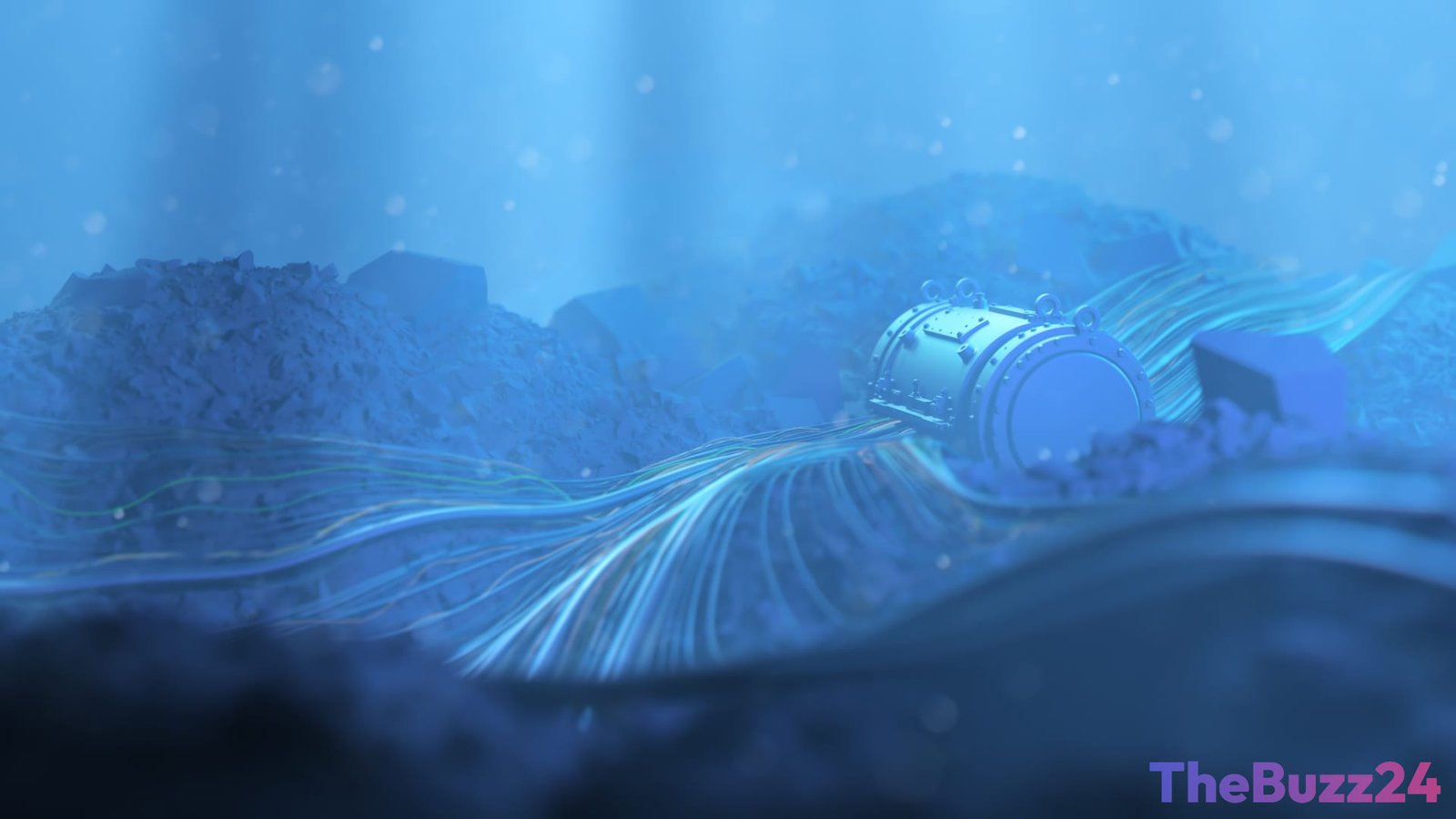
The critical infrastructure lying on the ocean floor—including over 1.5 million kilometers of telecommunications cables, energy pipelines, and power grids—is facing unprecedented security threats. The 2022 sabotage of the Nord Stream gas pipelines in the Baltic Sea, alongside disruptions near Taiwan and the Arctic, has shattered decades of post-Cold War complacency. As governments and corporations wake up to the realities of hybrid warfare, a quiet but intense arms race is unfolding beneath the ocean surface to protect the vital networks that keep the global economy running.
In response to these vulnerabilities, major defense and technology firms are rapidly pivoting toward maritime security. Italian shipbuilding giant Fincantieri recently committed approximately €600 million ($689 million) to acquire majority stakes in companies specializing in underwater drones, marine surveying, and subsea communications. The company envisions a future where surface vessels act as “motherships,” coordinating complex networks of autonomous vehicles operating deep below. Similarly, French defense group Thales is expanding its footprint in sonar, anti-submarine warfare, and autonomous underwater systems to capture a share of this emerging market.
Autonomous technology is at the forefront of this subsea shift. German defense-tech firm Euroatlas has developed the GrayShark, an autonomous underwater vehicle (AUV) designed to patrol strategic areas, detect anomalies like mines, and operate without continuous human intervention. Euroatlas has already secured over €100 million in contracts with European navies for these surveillance and deterrence drones. However, as friendly nations deploy these systems, adversaries like Russia and China are doing the same, setting the stage for “anti-AUV” missions where autonomous machines track and identify rival unmanned vehicles in the deep sea.
Despite the influx of capital, securing the vast expanse of the seabed remains a monumental challenge. Operating underwater presents severe technical hurdles, including poor visibility, limited communication ranges, and battery endurance constraints. Furthermore, because much of this infrastructure is privately owned, questions remain regarding who bears the financial and operational responsibility for its defense. Experts agree that while autonomous drones will significantly enhance deterrence and monitoring, they are not a cure-all, requiring deep cooperation between private operators and national militaries to safeguard the global commons.
Key Takeaways
- The 2022 Nord Stream pipeline sabotage has forced global governments to confront the extreme vulnerability of critical subsea cables and energy pipelines.
- Defense giants like Fincantieri and Euroatlas are investing heavily in autonomous underwater vehicles (AUVs) and subsea communications to secure lucrative military contracts.
- The underwater domain is transitioning toward autonomous 'machine-on-machine' surveillance, though severe technical hurdles like poor communication and limited battery life persist.
Editor’s Analysis & Impact
The emerging subsea defense market represents a critical paradigm shift in global security and maritime technology. For decades, underwater infrastructure was treated as ‘out of sight, out of mind,’ but the rise of hybrid warfare has exposed it as a soft underbelly of the global economy. This vulnerability is driving a massive capital influx into defense-tech, benefiting companies capable of solving the unique physics challenges of the deep ocean. However, the transition to autonomous patrol fleets raises complex legal and operational questions. Because the vast majority of subsea cables are privately owned, a new public-private defense framework must emerge. Investors should watch for increased defense spending allocations specifically targeted at maritime domain awareness, subsea robotics, and acoustic communication technologies, as nations scramble to secure their digital and energy lifelines.
Frequently Asked Questions
Q: Why is underwater infrastructure suddenly a major security concern?
A: The vulnerability of subsea assets was highlighted by high-profile incidents like the 2022 Nord Stream pipeline sabotage. With over 1.5 million kilometers of communications cables and numerous energy pipelines underpinning the global economy, physical disruption to these assets could cause catastrophic economic and communication blackouts.
Q: What role do autonomous underwater vehicles (AUVs) play in seabed defense?
A: AUVs like Euroatlas's GrayShark are designed to patrol strategic maritime corridors, inspect pipelines, and detect potential threats or mines without requiring constant human control. They offer a cost-effective way to monitor vast ocean areas where traditional crewed warships cannot maintain a continuous presence.
Q: What are the main technical challenges of operating defense systems underwater?
A: Unlike aerial drones, underwater systems must contend with extreme water pressure, near-zero visibility, and the fact that radio signals do not travel well through water. This makes communication, navigation, and long-term battery endurance incredibly difficult to achieve.
AI Disclosure: This article is based on verified data and official reports. Our Team and AI have cross-referenced every financial detail with primary sources to ensure total accuracy.
More from this Category