Trump Signals Pro-Growth AI Strategy with New Adviser Appointment Amidst Global Race
Former U.S. President Donald Trump has announced intentions to appoint a new artificial intelligence adviser, often referred to as an “AI czar,” and establish an “AI force.” The announcement, made via a social media post, did not include specific details regarding the implementation or scope of these initiatives. This move comes as discussions intensify in Washington surrounding the potential risks AI technology poses to both human safety and property.
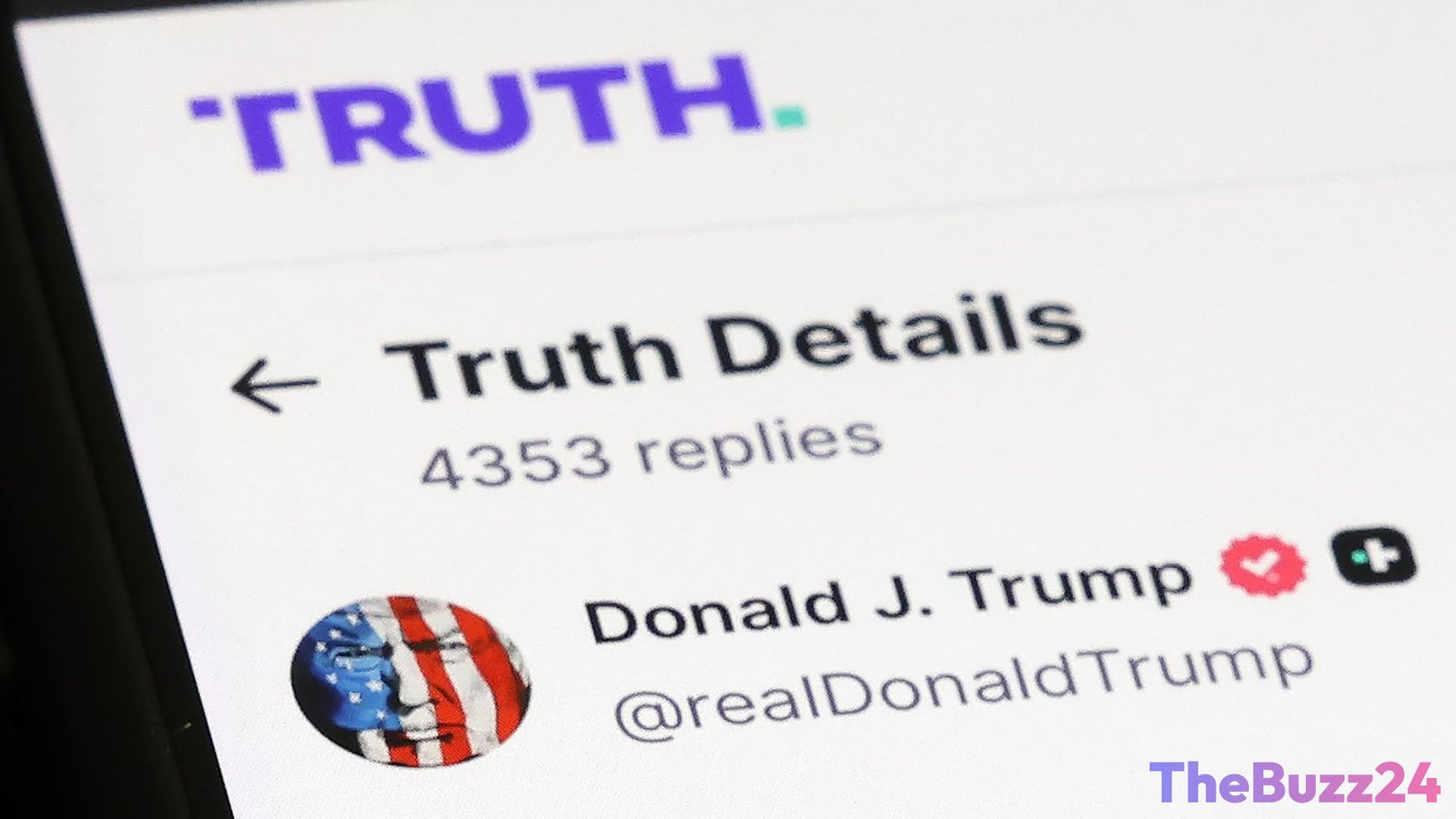
Despite growing concerns, including warnings from figures like former Anthropic researcher Jacob Coxon about existential risks, Trump has consistently downplayed the need for extensive AI regulation. On his social media platform, Truth Social, he articulated a vision focused on fostering the industry’s expansion. “We will not in any way hinder or stifle the Growth of this incredible Industry,” Trump wrote, emphasizing a supportive role while asserting that existing criminal and civil justice systems are sufficient to address any “BAD” actors.
Should this pledge materialize, it would mark Trump’s second appointment to an AI advisory role. Venture capitalist David Sacks previously held the position before transitioning to an external advisory capacity earlier this year. Sacks has publicly echoed Trump’s skepticism regarding new federal AI regulations, suggesting that developers should bear primary responsibility for product safety and face liability for issues, rather than being constrained by new governmental rules. The White House has not yet commented on Trump’s recent announcement.
The timing of Trump’s statement is notable, preceding a scheduled meeting with Chinese President Xi Jinping. Both Washington and Beijing view leadership in artificial intelligence as crucial for their respective economic and military strengths, fueling a competitive dynamic. Trump and various technology executives have argued that overly stringent regulations could impede U.S. AI development, potentially undermining American companies’ ability to compete effectively with Chinese counterparts—a claim frequently contested by AI safety advocates. Further illustrating the ongoing dialogue, Treasury Secretary Scott Bessent is slated to meet with Chinese Vice Premier He Lifeng to discuss AI security, trade, and other economic matters.
Key Takeaways
- Donald Trump plans to appoint a new "AI czar" and create an "AI force," signaling a pro-growth approach to artificial intelligence.
- He advocates against new regulations that could "hinder or stifle" AI development, believing existing legal frameworks are adequate for oversight.
- The announcement occurs amidst intense US-China competition for AI leadership and precedes high-level discussions on AI security and trade.
Editor’s Analysis & Impact
Trump’s latest announcement underscores a clear philosophical divide in the burgeoning AI landscape: rapid innovation versus stringent regulation. His emphasis on fostering growth, coupled with a reliance on existing legal systems for oversight, suggests a potential future administration prioritizing market-driven development. This stance could accelerate U.S. AI advancements, but it also raises questions about how quickly ethical guidelines and safety protocols can evolve without dedicated regulatory frameworks. The global AI race, particularly with China, adds another layer of complexity, as both nations vie for technological supremacy. The outcome of this debate will significantly shape not only the trajectory of AI innovation but also its societal integration and the geopolitical balance of power.
Frequently Asked Questions
Q: What is an "AI czar"?
A: An "AI czar" is an informal term for a high-level adviser appointed to guide policy and strategy related to artificial intelligence within a government, often focusing on national competitiveness and technological advancement.
Q: What is Donald Trump's stance on AI regulation?
A: Donald Trump has consistently expressed skepticism about the need for new, extensive AI regulations, arguing that such measures could stifle innovation and hinder the industry's growth. He believes existing criminal and civil justice systems are sufficient to address potential issues.
Q: How does this announcement relate to US-China relations?
A: The announcement comes amidst a significant geopolitical competition between the U.S. and China for leadership in AI. Both nations view AI as critical for economic and military strength, and discussions around AI regulation and development often intersect with broader trade and security dialogues between the two powers.
AI Disclosure: This article is based on verified data and official reports. Our Team and AI have cross-referenced every financial detail with primary sources to ensure total accuracy.
More from this Category