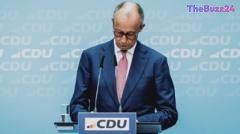
Friedrich Merz Faces Political Turmoil Following Historic German State Election Defeats
German Chancellor Friedrich Merz has pledged to maintain his ruling coalition, emphasizing the necessity of stability for the nation’s democratic future. This commitment comes in the wake of significant electoral setbacks for his Christian Democratic Union (CDU) party in recent state elections, which have sparked intense speculation regarding his leadership and the future of his administration.
In Mecklenburg-Vorpommern, the CDU suffered a historic defeat, failing to meet the threshold required to maintain a seat in the state parliament. Simultaneously, in Berlin, the party finished behind the hard-left Die Linke, which campaigned on aggressive housing reforms, including the potential expropriation of thousands of residential units. These results have emboldened opposition figures, including the far-right Alternative for Germany (AfD), which has seen a surge in support across several regions.
Addressing the media, Merz acknowledged the results as a profound turning point for the German political landscape. While he admitted that his personal approval ratings may have influenced voter sentiment, he argued that the electoral shifts reflect a broader, systemic transformation occurring within the country’s party structure. Despite rumors of a potential mid-term leadership change, Merz remains steadfast, insisting that his focus is on navigating the historic challenges currently facing the nation.
As the political climate intensifies, the Chancellor faces pressure from both within his party and from external rivals. The rise of the AfD, particularly in the former communist east, continues to complicate coalition building, as mainstream parties remain hesitant to engage with the group due to its controversial policy platform. Meanwhile, the legislative battle over housing and economic policy in Berlin remains a critical point of contention that could further test the resilience of the current government.
Key Takeaways
- Chancellor Friedrich Merz is facing intense pressure following major CDU losses in Mecklenburg-Vorpommern and Berlin.
- The far-right AfD party has gained significant momentum, while the hard-left Die Linke has secured a victory in Berlin with promises of rent reform.
- Merz has rejected calls for his resignation, attributing the election results to a broader transformation of the German political system rather than just his own leadership.
Editor’s Analysis & Impact
The recent electoral defeats for the CDU signal a deepening fragmentation in German politics, reflecting a growing disconnect between traditional centrist parties and an electorate increasingly drawn to populist alternatives. The rise of the AfD in the east and the success of Die Linke in Berlin suggest that voters are prioritizing localized economic concerns—such as the housing crisis—over the status quo. For the broader market, this instability poses a risk to foreign investment, particularly if radical policies like property expropriation gain traction. Moving forward, the survival of the current coalition will depend on Merz’s ability to address these populist pressures without alienating his core base. If the CDU cannot stabilize its position, Germany may face a period of prolonged legislative gridlock, potentially impacting the nation’s role as the primary economic engine of the European Union.
Frequently Asked Questions
Q: Why is the CDU struggling in recent German state elections?
A: The CDU is facing challenges due to a combination of low approval ratings for Chancellor Merz, the rise of populist parties like the AfD, and specific local issues such as the housing crisis in Berlin.
Q: What is the significance of the election results in Berlin?
A: The victory of the hard-left Die Linke in Berlin is significant because the party has proposed aggressive housing policies, including the expropriation of private rental units, which conflicts with the federal government's pro-investment stance.
AI Disclosure: This article is based on verified data and official reports. Our Team and AI have cross-referenced every financial detail with primary sources to ensure total accuracy.
More from this Category