Unearthing the Past: Massive Grave Discovery in Jaffna Sparks Calls for Justice
The discovery of a mass grave in the Chemmani area of Sri Lanka’s Jaffna region has sent shockwaves through the nation, as archaeologists confirmed the recovery of 572 sets of skeletal remains. The site, unearthed during a project to expand a local cremation ground, contains the remains of men, women, and children, accompanied by personal artifacts such as milk bottles and school bags. This finding represents the largest mass grave ever documented in the country, reigniting painful memories of the decades-long civil war that concluded in 2009.
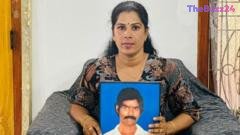
For many families of the estimated 23,000 people who went missing during the conflict, the site serves as a potential, albeit harrowing, source of answers. The area, which was under heavy military control during the 1990s, has long been the subject of rumors regarding extrajudicial killings. While previous testimonies from military personnel had hinted at the existence of such a site, this physical evidence provides a grim confirmation that has mobilized human rights advocates and grieving families to demand a transparent, international investigation into the circumstances of these deaths.
Despite government assurances that the excavation will continue and that DNA testing will be facilitated, skepticism remains high. Previous attempts to investigate similar sites in Sri Lanka have often stalled or failed to produce conclusive results, leading to deep-seated distrust among the Tamil community. As the remains are held under court custody at the University of Jaffna, the focus has shifted to whether the current administration will break from historical patterns of denial and allow for the forensic rigor necessary to provide closure to the families of the disappeared.
International observers and human rights organizations continue to pressure the government to seek external assistance for the identification process. With the site becoming a focal point for protests and remembrance, the pressure is mounting on authorities to move beyond interim reports and address the systemic issues of accountability that have persisted since the end of the war. For those still searching for missing loved ones, the Chemmani grave is not just an archaeological site, but a critical test of the nation’s commitment to reconciliation and truth.
Key Takeaways
- Archaeologists have recovered 572 skeletal remains from a mass grave in Chemmani, Jaffna, marking the largest such discovery in Sri Lankan history.
- The site contains personal items like school bags and milk bottles, fueling allegations of extrajudicial killings during the country's 26-year civil war.
- Families of the disappeared are demanding international oversight and DNA testing, citing a lack of trust in domestic investigations that have historically failed to yield prosecutions.
Editor’s Analysis & Impact
The discovery at Chemmani represents a significant geopolitical and social flashpoint for Sri Lanka. Historically, the nation has struggled with a culture of impunity regarding wartime atrocities, with previous mass grave investigations failing to result in accountability. The current administration faces a delicate balancing act: it must address the demands of the Tamil community for justice to foster ethnic reconciliation, while simultaneously navigating the political sensitivities of the military and nationalist factions that oppose international intervention. If the government fails to conduct a transparent, forensic-led investigation, it risks further alienating the northern population and inviting increased scrutiny from the United Nations and international human rights bodies. The long-term stability of the region depends heavily on whether this investigation can provide genuine closure or if it will become another symbol of unresolved trauma and institutional failure.
Frequently Asked Questions
Q: Why is the Chemmani mass grave considered significant?
A: It is the largest mass grave ever uncovered in Sri Lanka, containing 572 remains, and is located in an area where security forces were previously accused of enforced disappearances during the civil war.
Q: What is the current status of the investigation?
A: The remains are currently under court custody at the University of Jaffna. The government has promised to continue excavations and conduct DNA testing, though families of the missing are calling for international assistance to ensure the process is impartial.
AI Disclosure: This article is based on verified data and official reports. Our Team and AI have cross-referenced every financial detail with primary sources to ensure total accuracy.
More from this Category