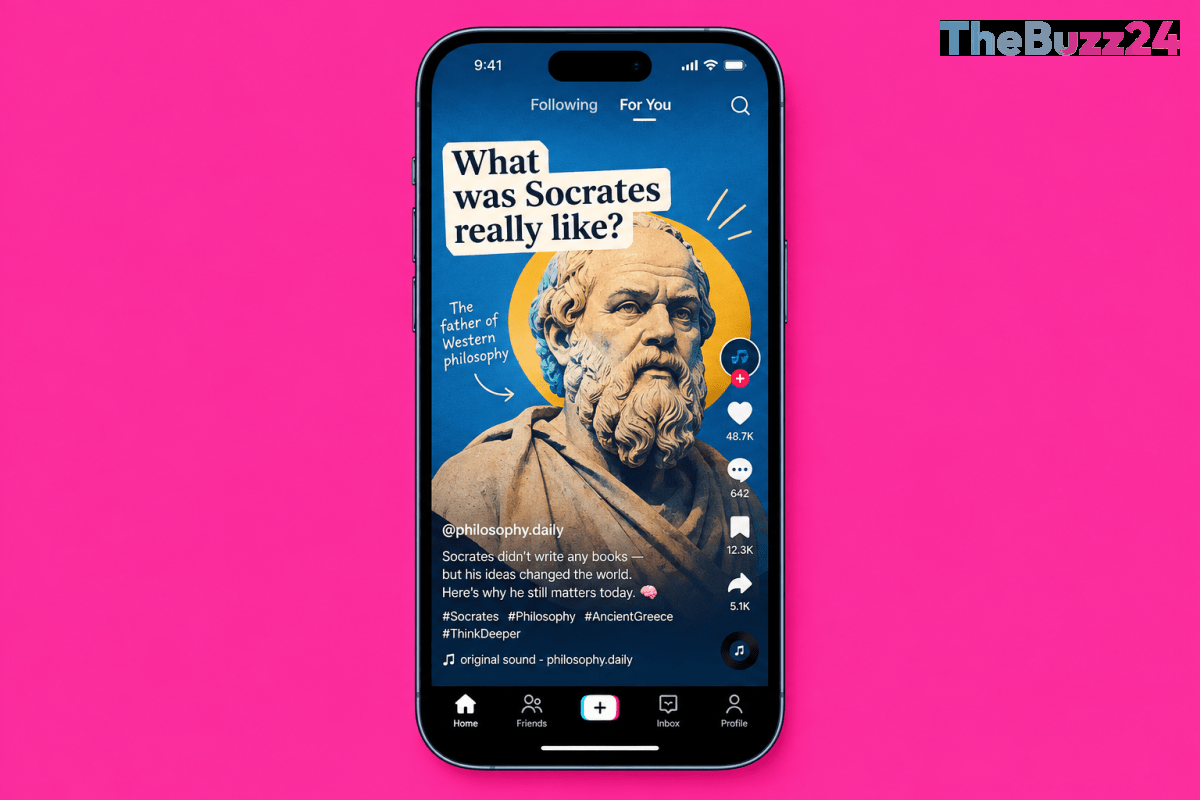
ScrollEd Aims to Transform Education by Turning Textbooks into Short-Form Feeds
A new startup, ScrollEd, is looking to bridge the gap between traditional academic learning and the modern preference for short-form, vertical video content. By reimagining how students interact with dense educational materials, the company has developed an application that converts standard text files and textbooks into an interactive, swipeable feed reminiscent of popular social media platforms like TikTok or Instagram Reels.
The platform utilizes artificial intelligence to transform static documents into a dynamic experience featuring video, audio, and interactive quizzes. Users can swipe vertically to progress through new topics or swipe horizontally to explore specific subjects in greater depth. This design is intended to meet students where they are, acknowledging that the younger generation increasingly favors bite-sized, high-engagement media over traditional, long-form reading.
Founded by Utsav Gupta and Rebecca Neff, the startup aims to serve educational institutions, corporate training programs, and individual learners. The business model operates on a freemium basis, offering a standard consumer feed alongside a ‘ScrollEd Pro’ subscription and institutional licensing. For schools and businesses, the platform provides valuable analytics, including engagement metrics and lesson progress tracking, allowing educators to better understand student performance.
Looking ahead, the company plans to expand its lesson library and refine its source-checking workflows. The long-term vision for ScrollEd is to build a ‘social network that is better for you,’ creating an infrastructure that allows for personalized learning paths and adaptive assessments. By focusing on curiosity-driven exploration, the founders hope to prove that short-form media can be a powerful tool for academic growth rather than just a source of distraction.
Key Takeaways
- ScrollEd converts static educational materials like PDFs and textbooks into an interactive, vertical-scrolling feed.
- The platform uses AI to generate multimedia content and quizzes, allowing users to swipe for new topics or deeper explanations.
- The startup targets both individual learners and institutions, offering data-driven insights for corporate and academic training programs.
Editor’s Analysis & Impact
ScrollEd represents a significant shift in EdTech, moving away from traditional Learning Management Systems (LMS) toward a ‘social-first’ interface. By gamifying the consumption of academic content, the startup addresses the ‘attention economy’ challenge head-on. The industry impact could be substantial if the platform successfully proves that short-form content can facilitate deep learning rather than just surface-level engagement. However, the company faces the hurdle of maintaining academic rigor while competing with the addictive nature of entertainment-focused algorithms. If ScrollEd can effectively integrate with existing institutional curricula, it may set a new standard for how digital textbooks are delivered, potentially forcing legacy publishers to modernize their delivery methods to remain relevant to Gen Z and Alpha learners.
Frequently Asked Questions
Q: How does ScrollEd handle the depth of educational content?
A: ScrollEd allows users to swipe horizontally to access deeper explanations and supplementary materials, ensuring that the short-form format does not sacrifice the complexity of the subject matter.
Q: What is the primary business model for ScrollEd?
A: The company uses a freemium model, offering a free consumer version alongside a paid 'ScrollEd Pro' subscription and annual licenses for institutions that require advanced analytics and progress tracking.
AI Disclosure: This article is based on verified data and official reports. Our Team and AI have cross-referenced every financial detail with primary sources to ensure total accuracy.
More from this Category