NASA and JAXA Showcase Lunar Ambitions at Houston’s 33rd Annual Japan Festival
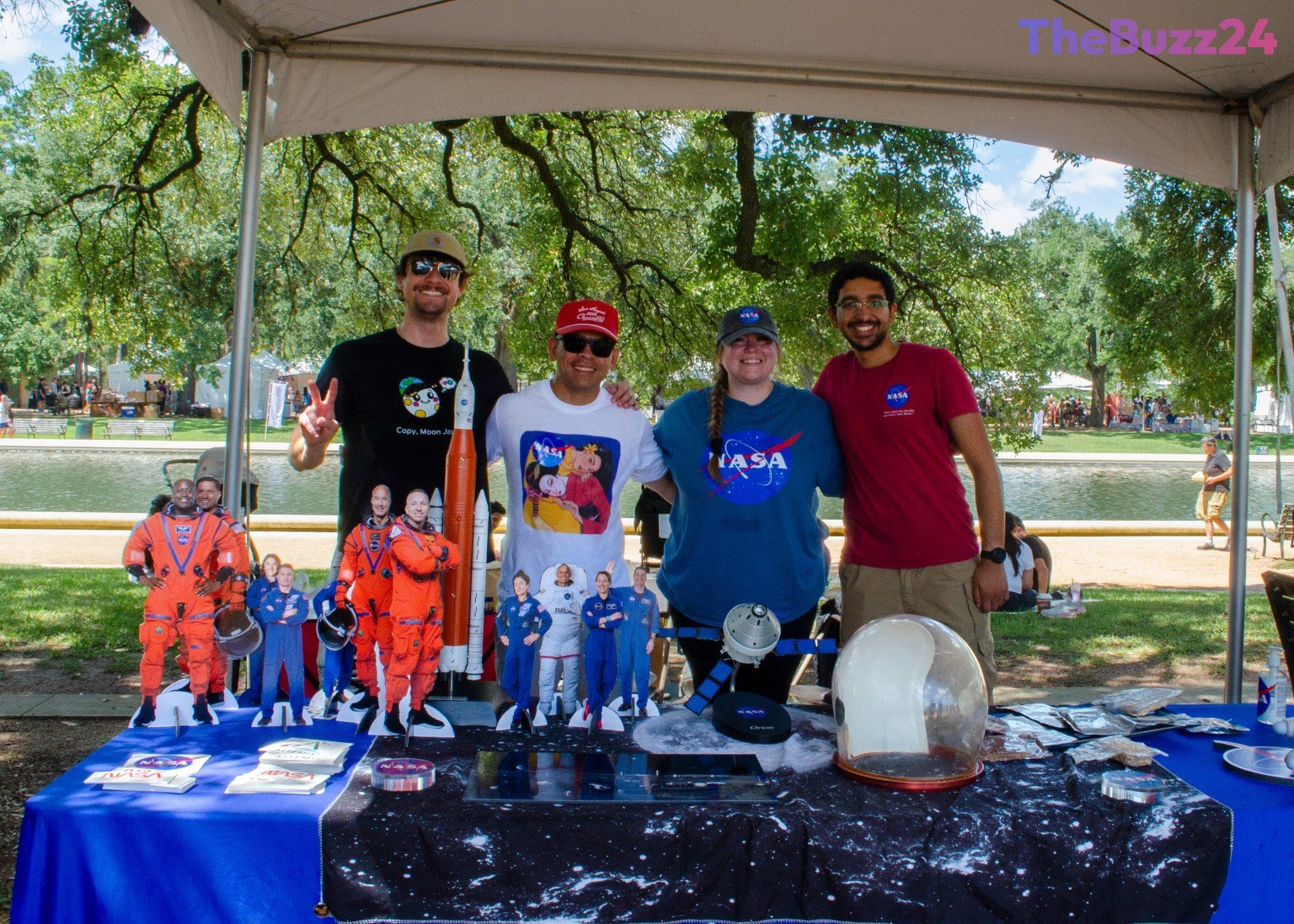
NASA’s Johnson Space Center recently brought the frontiers of space exploration to the heart of Houston during the 33rd annual Japan Festival at Hermann Park. Over the course of the two-day event, agency representatives engaged with more than 3,000 attendees, offering a hands-on look at the future of lunar exploration and the ongoing partnership between the United States and Japan in space science.
The NASA exhibit served as a focal point for public outreach, featuring interactive displays that included models of the Orion spacecraft and the International Space Station. Visitors were invited to handle authentic astronaut gear, such as gloves and helmets, while learning about the upcoming Artemis III mission and the long-term vision for a sustainable Moon base. Volunteers from the agency noted that the event provided a unique platform to inspire students and professionals alike, with many attendees expressing keen interest in potential career paths within the aerospace sector.
Positioned strategically alongside the NASA booth, the Japan Aerospace Exploration Agency (JAXA) highlighted its own contributions to spaceflight, including models of the HTV-X1 cargo spacecraft and designs for a pressurized lunar rover. The presence of JAXA astronaut Akihiko Hoshide further underscored the deep collaborative ties between the two nations. This partnership, which includes the integration of the Kibo laboratory on the International Space Station and Japan’s commitment to the Artemis Accords, remains a cornerstone of modern international space exploration.
For the Johnson Space Center, participating in community events like the Japan Festival is essential for maintaining public support and transparency regarding current initiatives. By bridging the gap between complex engineering projects and the general public, the agency continues to foster a culture of curiosity and innovation, reminding the local community that the next giant leaps in human spaceflight are being developed right in their own backyard.
Key Takeaways
- NASA and JAXA utilized the Houston Japan Festival to showcase collaborative lunar exploration goals, including the Artemis III mission.
- Interactive exhibits allowed over 3,000 attendees to engage with space hardware and learn about future career opportunities in aerospace.
- The event highlighted the long-standing international partnership between the U.S. and Japan, specifically regarding the Artemis Accords and lunar surface technology.
Editor’s Analysis & Impact
The collaboration between NASA and JAXA at a public cultural event highlights a strategic shift toward ‘soft power’ diplomacy in the space sector. By integrating their public outreach efforts, both agencies are effectively socializing the concept of international lunar exploration to a broader audience. This is critical as the Artemis program relies heavily on global cooperation to achieve its ambitious goals of long-term lunar habitation. From an industry perspective, these public-facing events serve as a pipeline for future talent, demystifying the complexities of space engineering for the next generation. As the global space economy expands, the ability of national agencies to maintain public enthusiasm while securing international commitments will be the primary driver of sustained funding and political support for deep-space missions.
Frequently Asked Questions
Q: What was the main focus of the NASA exhibit at the Japan Festival?
A: The exhibit focused on the upcoming Artemis III mission, the development of a Moon base, and the collaborative efforts between NASA and JAXA in space exploration.
Q: Why is the partnership between NASA and JAXA significant?
A: The partnership is vital for advancing human spaceflight, evidenced by Japan's contribution of the Kibo laboratory to the International Space Station and their active participation in the Artemis Accords.
AI Disclosure: This article is based on verified data and official reports. Our Team and AI have cross-referenced every financial detail with primary sources to ensure total accuracy.
More from this Category